JVC DLA-RS10 Projector Review
A detailed review of the JVC DLA-RS10 1080p home theater projector.
This review has just been posted, consider it a "first pass". Better proofing, additional content and more RS10 comparative images will be added over the next two weeks.
2/3/2009 - Art Feierman
|
|
![]() |
JVC DLA-RS10 Projector Overview
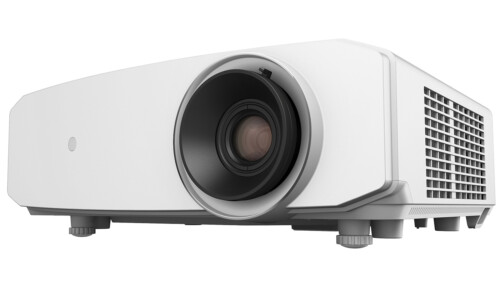
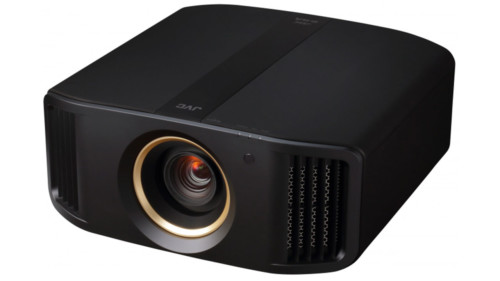
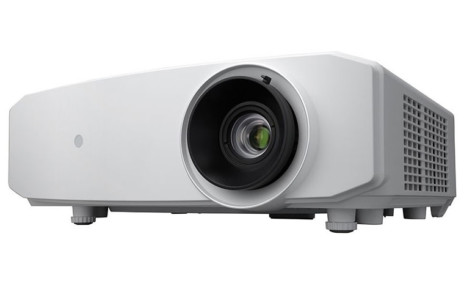
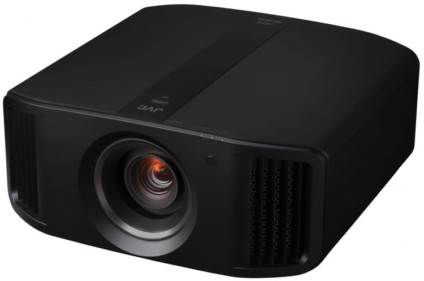
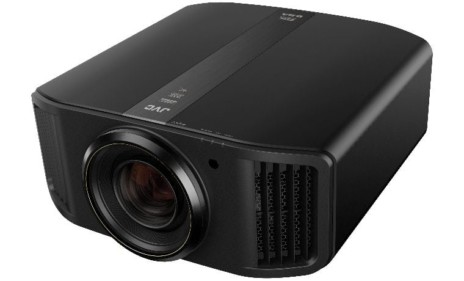
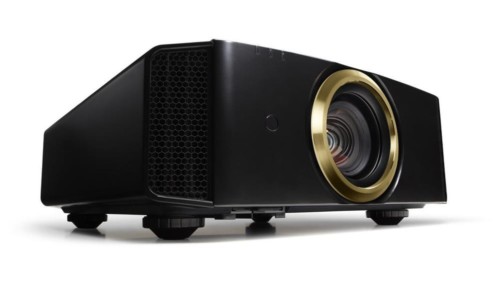
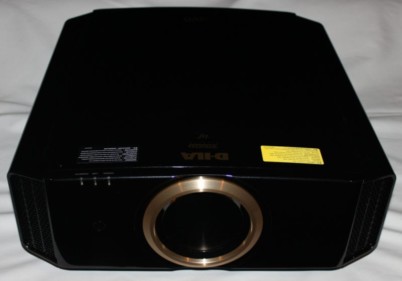
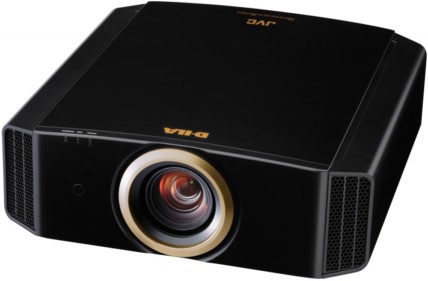
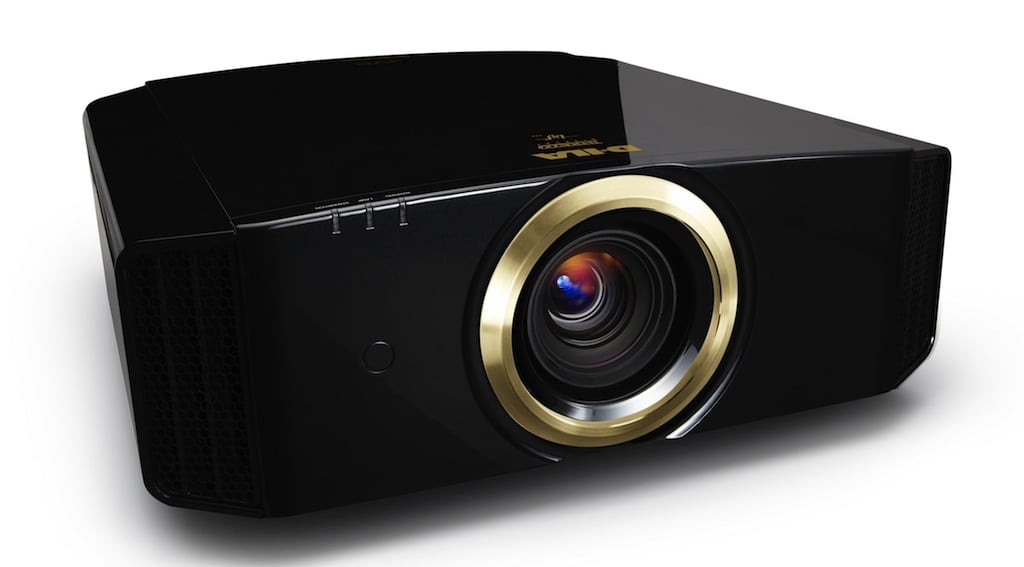
The JVC DLA-RS10 is a larger, really good looking home theater projector (though smaller than the RS1 it ultimately replaces), finished in a shiny piano black finish with gold trim. The JVC HD350, by the way, looks the same, but silver trim, not quite as elegant, for those who care. The JVC RS10 is sold by dealers authorized by JVC's Pro group, the HD350 through their Consumer group.
The JVC DLA-RS10 has a big brother, the new RS20 (recently reviewed), which will replace the older RS2. The RS10 can't match the better black levels of the RS20 (although, the RS10 seems to have the second best black levels around) The RS10 is about the same brightness as the RS20, which means it is one of the brighter projectors around in "best mode" although only a tad brighter in its brightest mode. Also, there are menu and color control differences between the two, with the JVC RS10 lacking the THX certification and advanced Color Management System (CMS) of the RS20. More on that later.
Overall, the RS10 is incrementally better than the RS1 and RS1x that it replaces. Still, they are very close in overall performance, although the RS10 offers better color controls than my very limited RS1 has.
As with the older JVC's the RS10 is excellent when it comes to placement flexibility, with a 2:1 zoom lens and lots of vertical and horizontal lens shift. All lens functions are motorized, a very nice touch, and change from the older models.
The DLA-RS10 is physcially fairly large, though definitely smaller than my RS1. It is longer front to back, but narrower. Input connections are now located on the side (left side, if looking from the back of the projector).
Another improvement is that the RS10 is definitely a bit quieter than the older JVC models and is now average in audible noise, and should be reasonable even in high lamp mode, for all but those most critical of any audible noise.
JVC also has a new remote, however, that is about the only thing about the RS10, that comes up a bit short. I prefer the older one that came with my RS1.
Cutting to the chase, the JVC is a higher performance projector that should appeal to most enthusiasts, and also those that just want a great picture. It's not into frills or fancy dynamic enhancement features. It's about putting the best possible image on your screen. Sorry, no creative frame interpolation, although according to JVC, the RS10 outputs 24fps sources at 96fps - 4:4 pull-down.
The JVC projectors have always been more expensive than the typical 1080p projectors out there. The DLA-RS10's price point is just more than double that of the most entry level 1080p projectors. It's also more expensive than the Sony LCoS HW10, technically its closest competitor (in that both are LCoS based projectors).
The JVC DLA-RS10 has an MSRP of $4995, which is about $1000 less than JVC quoted when they first announced the projector at CEDIA last Sept, and it is just 2/3 the price of their top of the line DLA-RS20.
DLA-RS10 Projector Highlights
- Best black level performance of any home theater projector we've tested except for JVC's higher end RS20 and the older RS2
- Good sharpness, but just average for 1080p projectors
- Very good shadow detail
- Out of the box picture is very good, better in fact than the RS20's. Calibration is definitely recommended to get the most out of this projector
- Really good post calibration color accuracy
- Excellent placement flexibility
- Well above average brightness in best mode for movie watching
- Brightest mode, isn't much brighter than "best" mode, barely average overall
- Full support for HDMI 1.3b with 24 fps, Deep Color...
- A very good value for those seeking a higher level of performance than most 1080p projectors can deliver
Projector Specs for the JVC DLA-RS10
MSRP: $4995.
Technology: LCoS
Native Resolution: 1080p (1920x1080)
Brightness: 1000 lumens
Contrast: 30,000:1
Zoom Lens ratio: 2:1 (motorized)
Lens shift: Vertical and Horizontal (motorized)
Lamp life: 2000 hours "longer in standard lamp mode" (low power)
Weight: 24.3 lbs. (10.8 Kg)
Warranty: 2 Year Parts and Labor
Click for or more complete specs and brochure
DLA-RS10 Projector - Special Features
The JVC DLA-RS10 really isn't about special features, but rather pure performance, so not much to report here. Like virtually all newer projectors the JVC RS10's two HDMI inputs are 1.3 compliant, supporting 24fps, Deep Color and CEC.
The RS10, like just a few other projectors, including the Sanyo PLV-Z3000 and PLV-Z700 has a motorized door that closes automatically when the projector is powered down. That's a nice touch for keeping dust and spiderwebs off of the lens, but hardly rocket science.
Detail Enhancement
The RS10, like the RS20 has a Detail Enhancement feature in its sharpness menu, and that works very nicely. It takes a significant adjustment (ie. from default 0, to about 30 to 40, for it to make a noticeable difference, but using it, in addition to some sharpness adjustement, does provide a crisper looking image. Even with that, the very sharpest projectors (such as the InFocus IN83) are still visibly a touch sharper when viewed side by side, but, it does make a visible improvement over the default settings, without the type of oversharpening ghosts around dark object edges when next to other areas much brighter, and vice versa. Be sure not to oversharpen to the point where that ghosting is visible, because that is the sign of false sharpness, and loss of fine detail. Please note, for our photo sessions, the sharpness was left at the default settings.
Heads up: The image below is from the Stargaze HD Blu-Ray DVD. Some really spectacular imagery on this disc, for those with an interest in astronomy or who simply like the beauty of such images.
Motorized Lens System - and use with Cinemascope wide screens
While a number of projectors have motorized focus and zoom, the JVC also has motorized veritical and horizontal lens shift. The reason for pointing this out is that it allows one capabiliity some of you might take advantage of. Let's say you are putting on a typical Cinemascope movie - 2.35:1 aspect ratio - you'll have the usual letterboxing at the top and bottom. You can take advantage of the motorized lens shift to drop the active part of the image (the movie) down so that the bottom of the picture is even with the bottom of your screen. If you have dark walls you won't see the dim lower letterbox on your walls. You'll still have one at the top, plus some empty screen up there as well, but dropping the movie down will probably place it better for viewing. In most rooms you won't be looking up as much.

The combination also means you can use the JVC with a 2.35:1 screen (if you have the right distance range for your screen), and zoom out when you want to watch standard HDTV or 16:9 movie content, as well as 4:3. Panasonic pitches this feature heavily on the PT-AE3000. The difference is that Panasonic let's you save the lens positioning, so you can switch back and forth with a single button. With the JVC, you'll be zooming in and out, each time you switch from the 2.35:1 aspect ratio, to the others. For those watching mostly movies, this is viable, as it would only take maybe 15 seconds to do the adjustment from the remote. The RS10 (like the Panasonic) also has internal support for an anamorphic lens, but for those wanting to go 2.35:1 Cinemascope on their screens, but tight on the cash to spring for a full anamorphic lens, this can allow them to start with the wider screen, use this feature, and later, if desired, get an anamorphic lens and sled.