2025 UST Projector Showdown – A Judge’s Perspective
Posted on November 19, 2025 by Kam Valentine
Introduction
It was great being invited back to judge the 2025 UST Projector Showdown. Seeing familiar faces helped the day feel familiar, but the new Riverdale facility raised the bar in every way. Brian Gluck must have had these showdowns in mind when he acquired the building because the space was amazing. It was spacious enough for all the USTs, the judges and our gear. We had full control of ambient lighting and dual overhead light sources to manage light intensity. The previous facility was good, but this one was better. The larger space, controlled lighting and consistent seating made it the strongest environment yet for evaluating UST projectors.
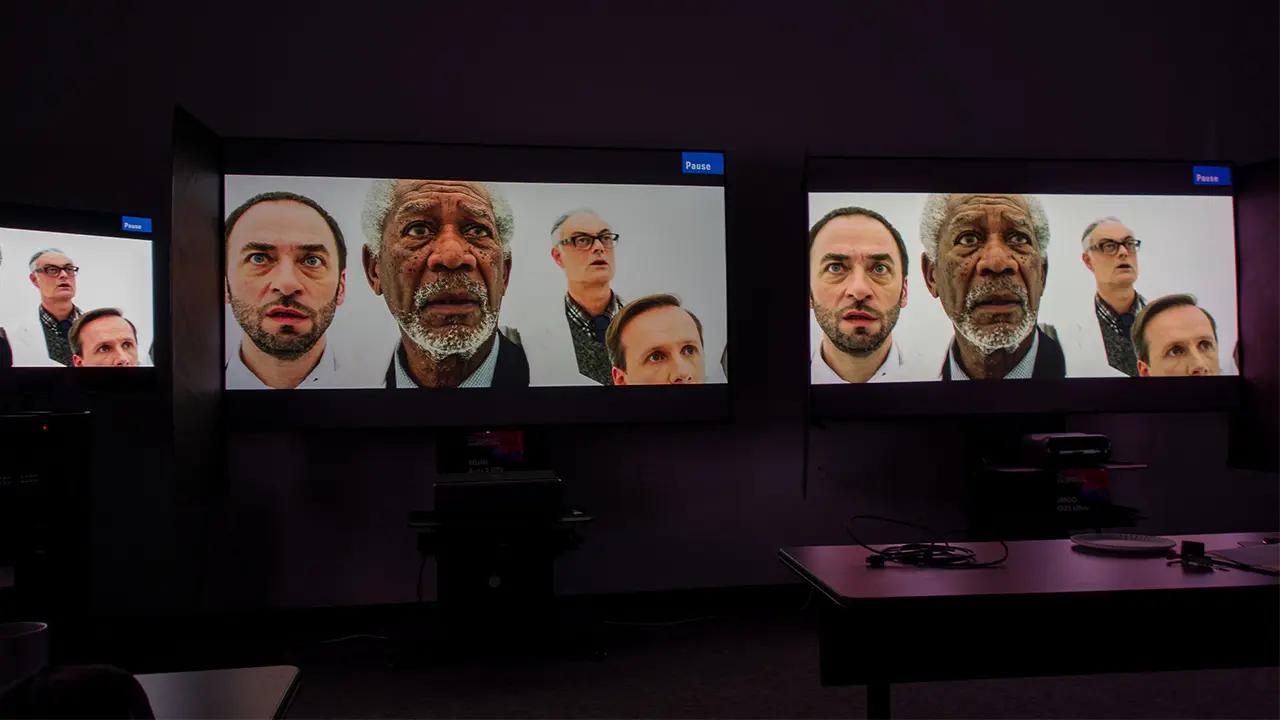
With the space ready, ProjectorScreen.com arranged eight stations under identical conditions so every projector would get a fair shot. Although the event began with eight units, you’ll read shortly why we ultimately evaluated only seven in the final scorecard. The judging panel’s role was independent and non promotional. Our only job was to evaluate each projector from a user’s point of view, which keeps the results honest.
A Quick Shout Out to New Jersey
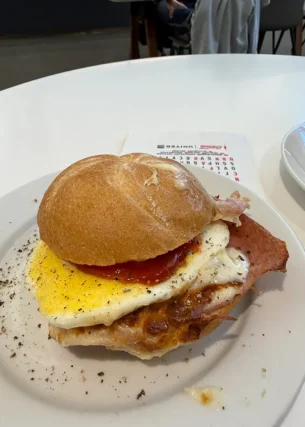
Before getting into the showdown itself, I need to give credit where it is due. New Jersey introduced me to the ham roll, pork roll, Taylor Ham or whatever ongoing statewide identity crisis name it officially goes by. I had more than a few while I was out there, always ordered the proper Jersey way with salt, pepper and ketchup.
I did not set up anything for the showdown as a judge, but Brian Gluck from ProjectorScreen.com bought me my first pork roll sandwich that judging morning, which kicked off what became my full blown pork roll marathon. Those things powered me straight through the 3:05 a.m. wakeup, which you’ll hear more about later, and straight into judging day. Respect to Brian and New Jersey for that.
Why Conduct a UST Projector Showdown?
UST projectors often look similar on paper. Real-world comparisons reveal what spec sheets cannot. When every projector is placed in the same room, on the same screen material and fed the same signal, the differences become clear. Some excel in bright rooms, others do better in controlled light. Some deliver accurate color, while others struggle with tone mapping.
This event helps buyers cut through marketing and see what each projector can actually deliver. Being invited back was a pleasure, and reconnecting with most of the judging team made the experience even better. Watching eight USTs compete side by side always leads to surprises.
Event Leadership
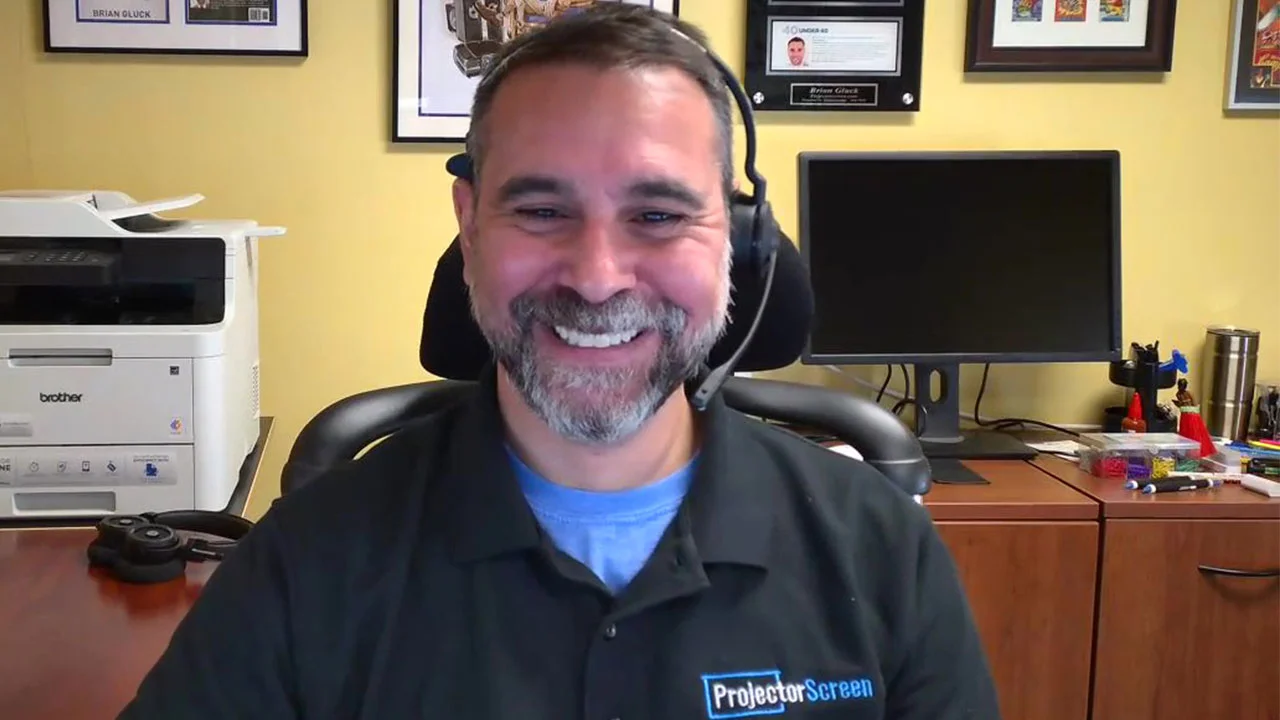
Brian Gluck
Owner of ProjectorScreen.com, where the event was hosted. His crew handled the technical setup, including identical HDMI runs, synced sources, and a fully controlled room.
Philip Jones
Owner and Lead Reviewer at ProjectorReviews.com, directed the event. He selected the projectors, invited the judges, set the rules and controlled the test material.
About the Judges
I review projectors for ProjectorReviews.com and hold ISF Level III certification. My training was one of the first post COVID sessions taught directly by Joel Silver and Jason Dustal. Joel founded the Imaging Science Foundation and helped define modern calibration standards. Jason is one of the most respected hands on calibration instructors in the industry. Learning directly from both shaped how I evaluate accuracy, contrast, tone mapping and picture integrity. Even without calibration tools at the event, that background guided every score I gave.
Coming back for the 2025 showdown felt familiar in the best way. Most of the judges were with me at the 2024 event, so walking into the room felt like stepping back into a group of friends who all love the same thing. We picked up right where we left off—talking projectors, comparing notes, geeking out before the lights even dimmed. That energy is one of the reasons I enjoy these showdowns so much.
The Judges
Chris Mata
Known on YouTube as That Home Theater Dude, Chris creates approachable reviews and videos that help audiences build better entertainment systems.
Andy Grimm
Freelance projector reviewer and display calibrator, featured in Home Theater Review, Sound & Vision, and Pixel Home Theater.
Kam Valentine
Technical Reviewer at Projector Reviews - Expert Information on Projectors and ISF certified calibrator
Chris Majestic
YouTube projector reviewer and influencer at MajesTechs known for his in-depth reviews and tutorials on home theater systems, smart home devices, and other consumer electronics.
Milton Santiago
YouTube Content Creator with over 80 million views, EBPMAN Tech Reviews is a trusted source for the latest in consumer electronics! EBPMAN delivers in-depth, reliable reviews to help you find the tech that’s right for you.
John Doe
ISF-trained calibrator and technology journalist, writing about audio and video technology since 1993. Chris founded tech site Big Picture Big Sound in 2005 and is currently Editor-at-Large for eCoustics.
Ultra Short Throw Projectors in the 2025 Showdown
Below are the eight projectors included in this year’s event. Each description is based on information provided by the manufacturers. These summaries give a quick look at how each model is positioned on paper. As always, real performance becomes clear once testing begins.
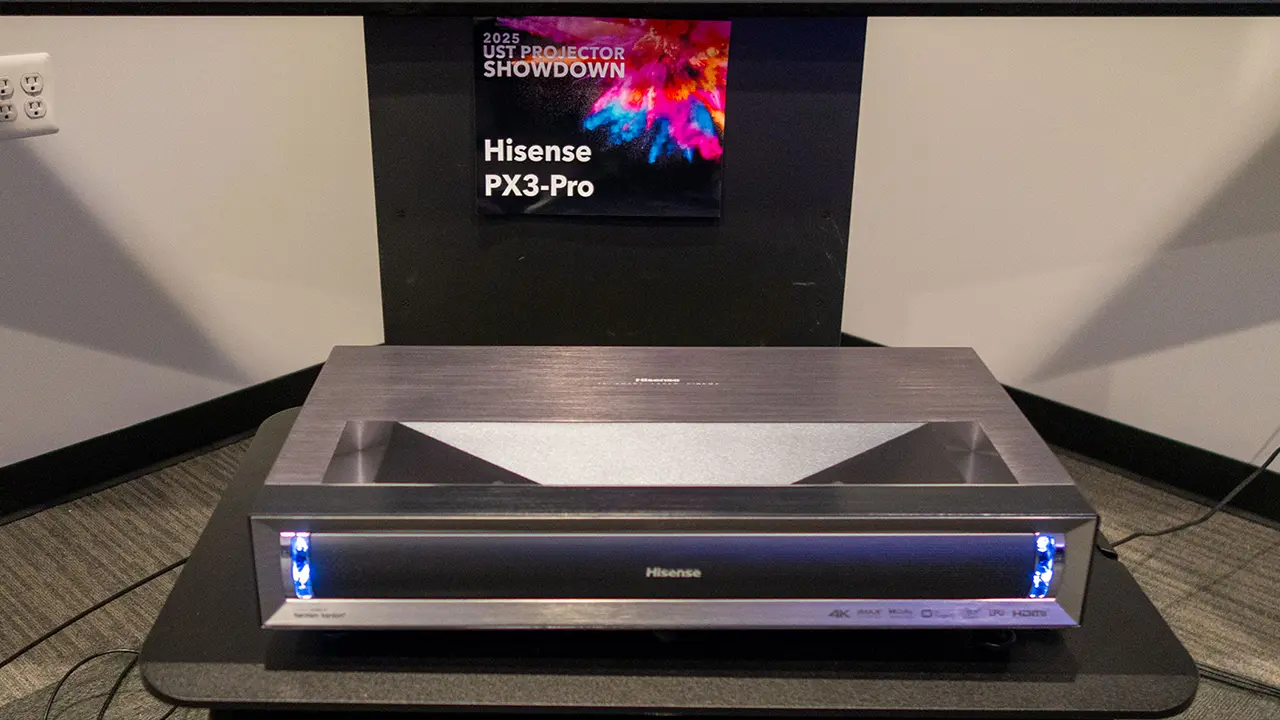
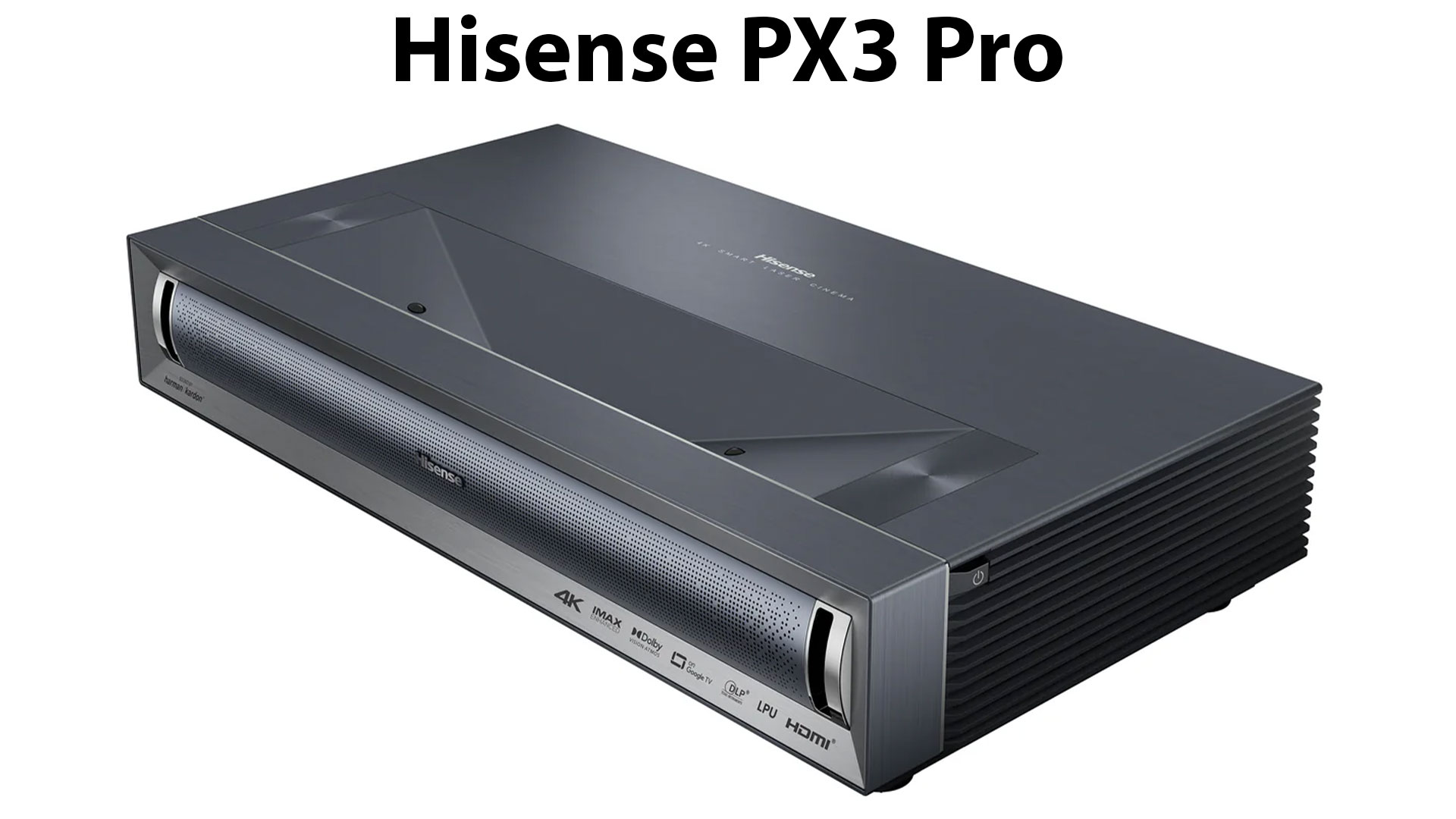
Hisense PX3-Pro
Marketed as a premium UST laser projector focused on strong HDR performance, wide color coverage and high brightness for mixed room viewing.
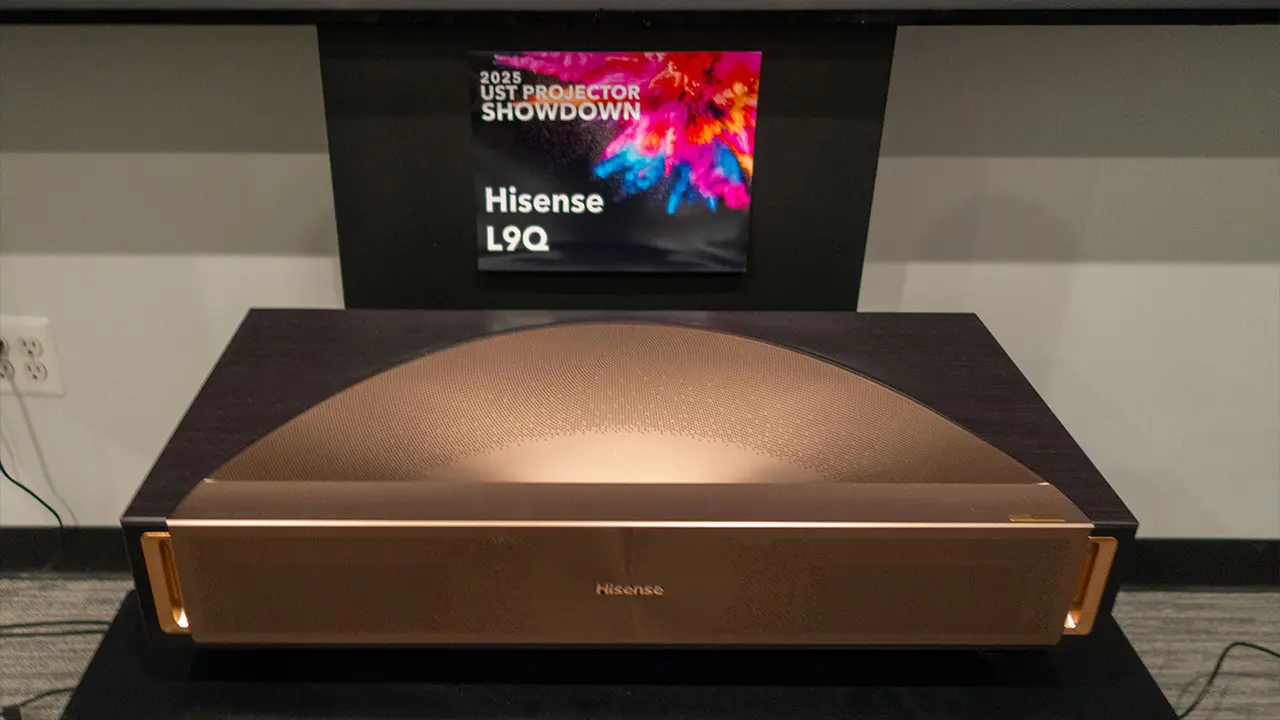
Hisense L9Q
The flagship Hisense Tri-Laser UST is designed for vivid color reproduction, high light output, and strong HDR performance, and is targeted toward bright living rooms and daytime viewing.
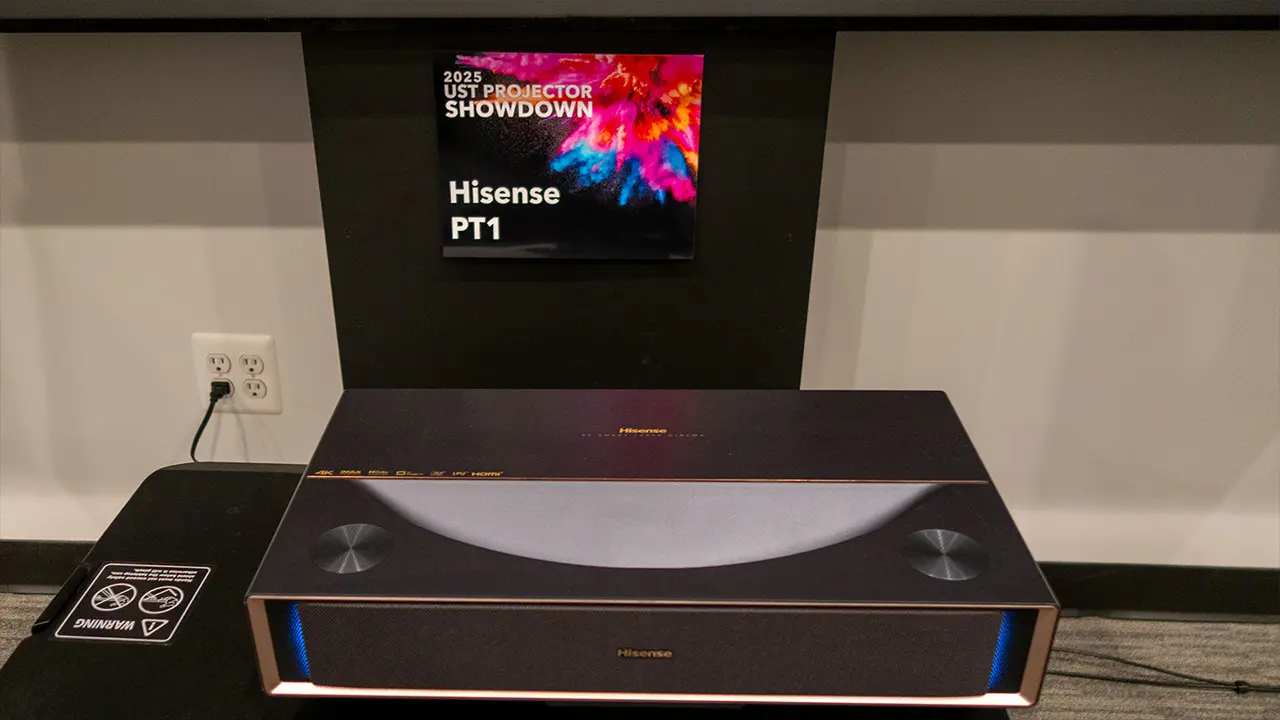
Hisense PT1
Positioned as a performance-per-dollar UST with solid color accuracy and contrast. Aimed at users wanting strong overall image quality without the premium price tag.
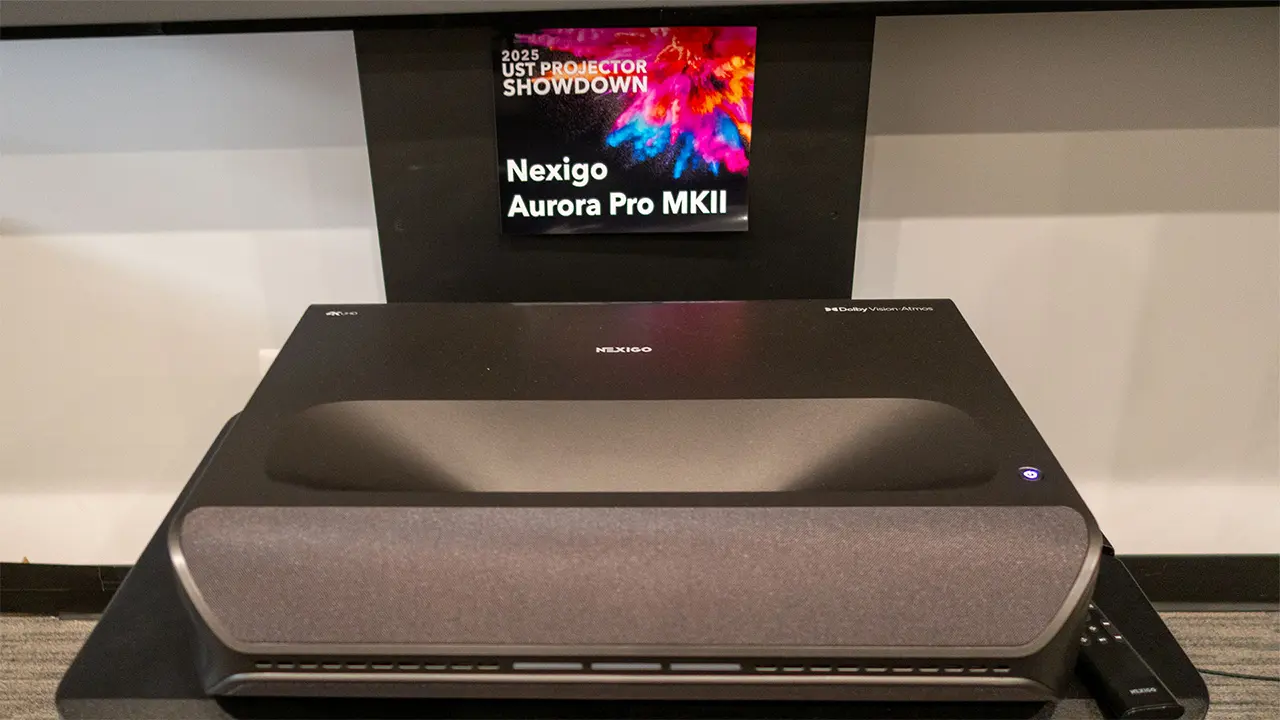
NexiGo Aurora Pro MKII
Promoted for its natural color reproduction and NexiGo’s contrast-enhancing processing technologies. Designed for accuracy and cinematic presentation.
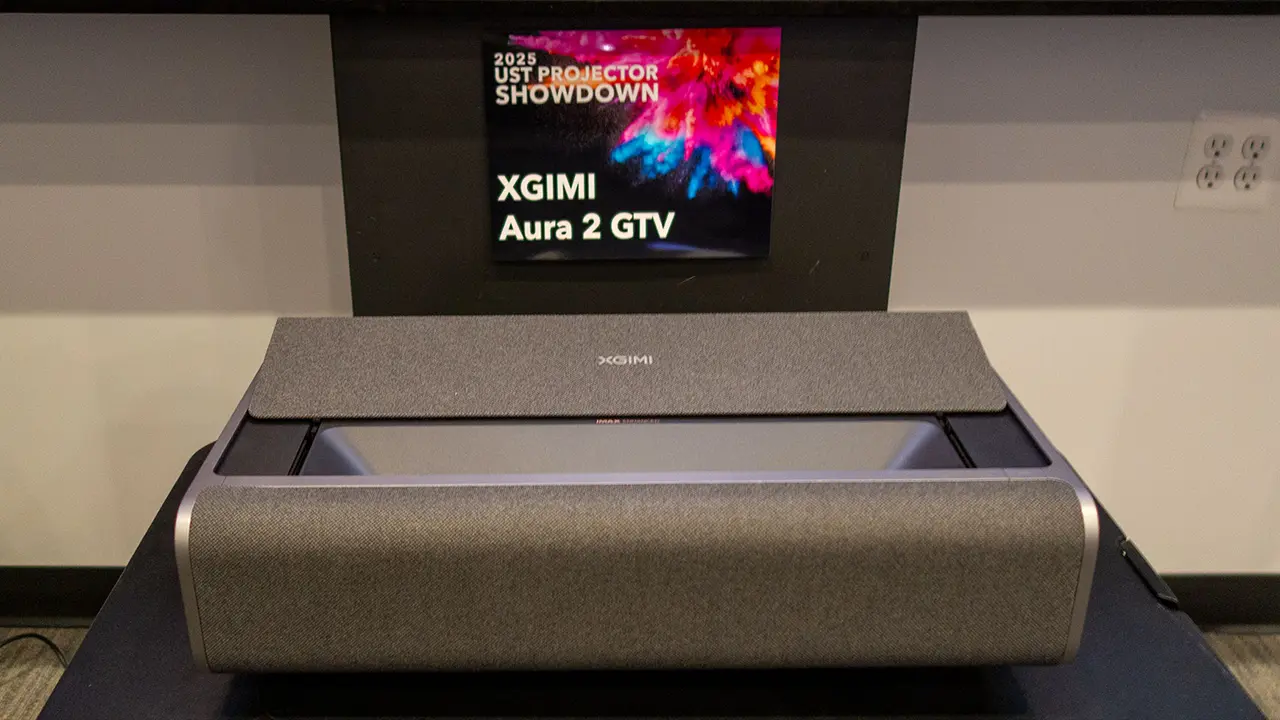
XGIMI Aura 2 GTV
A feature-rich UST focused on brightness, image clarity, and smart platform integration. Marketed as an all-in-one home entertainment solution in a beautiful package.
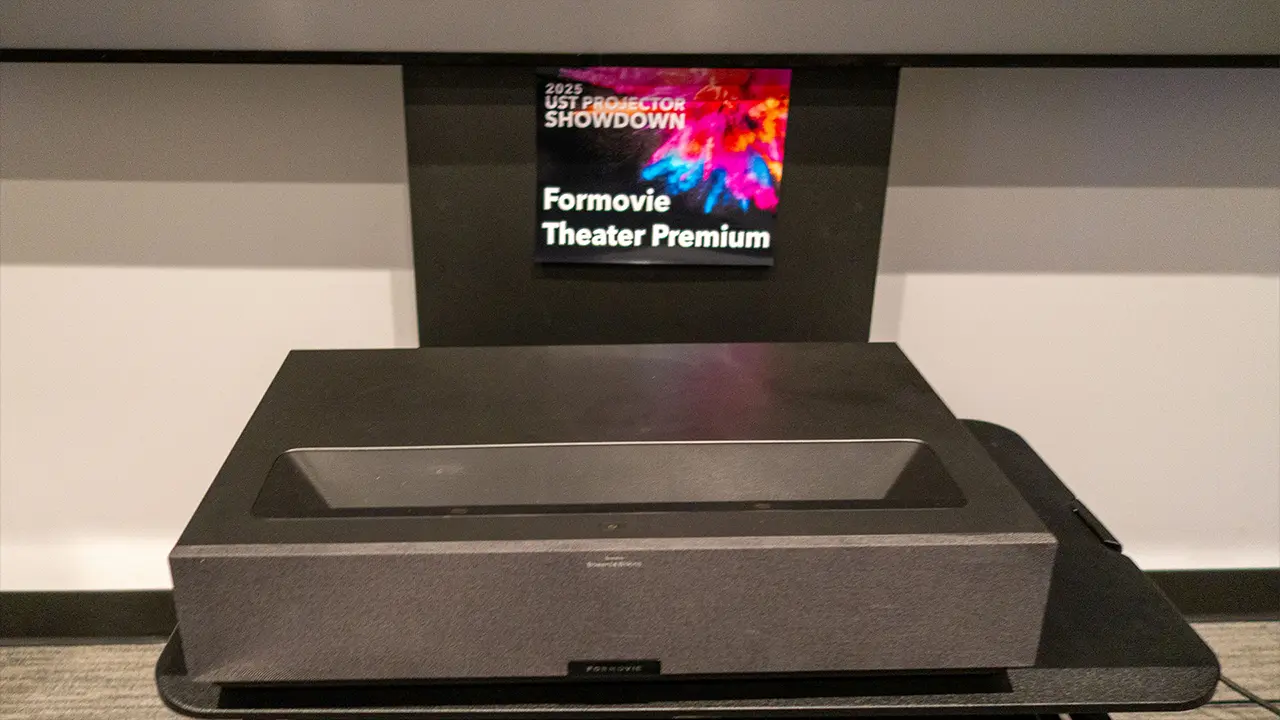
Formovie Theater Premium
Advertised as a high-performance tri-laser UST with an emphasis on color fidelity, detail, and wide color gamut coverage.
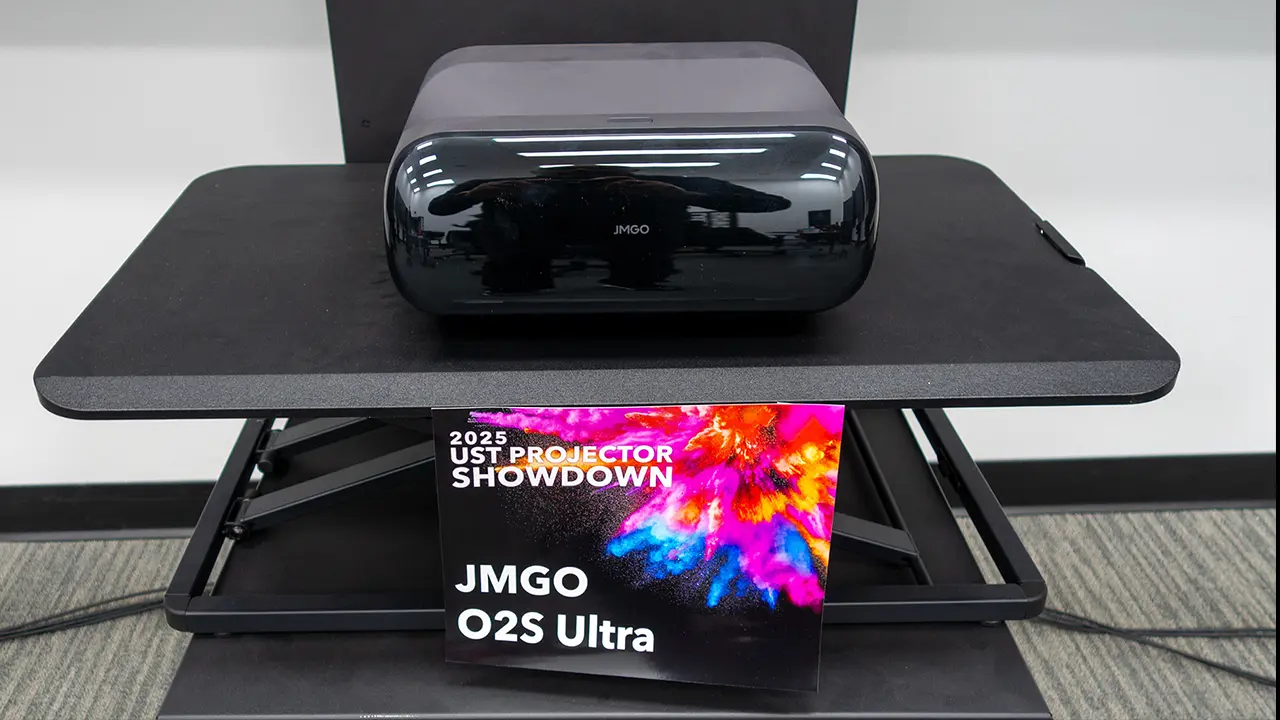
JMGO O2S Ultra
Presented as an ultra-portable UST with a short 0.16 throw ratio, light weight and easy setup. Designed for mobility and quick use in various environments.
Epson QS100
A 3LCD UST built around Epson’s brightness and motion strengths. Supports HDR10 and HLG with an emphasis on stable image quality and ease of use.
NexiGo Exclusion Note
A day before the event began, the original NexiGo Aurora Pro MK2 failed with flickering lasers and power issues. A replacement unit was pulled from fresh ProjectorScreen.com stock and updated per NexiGo’s instructions. It was a late Friday rollout heading into the weekend, and in the rush, one key detail didn’t make it into the communication: when a firmware update spans multiple versions, a factory reset is required for the update to fully apply.
Because that step was not mentioned, Brian and his team had no reason to perform a reset. As a result, the replacement unit was not running the correct public firmware during the showdown, and its performance was not representative of what the MK2 is known for. Given NexiGo’s strong reputation and how well-regarded this UST is, it was clear to all of us that something wasn’t right during judging. Excluding it from the scorecard is the fairest approach until it can be evaluated under proper firmware conditions.
Event Setup
Each manufacturer was invited to Brian’s facility in New Jersey to make minor adjustments to their projectors before the event. The picture adjustments were limited to tasks an average consumer could quickly perform, using readily available test patterns. Manufacturers could also provide recommended settings. If they did, the team at ProjectorScreen.com applied them. If a projector company did not provide a list of settings, Philip Jones made the necessary adjustments.
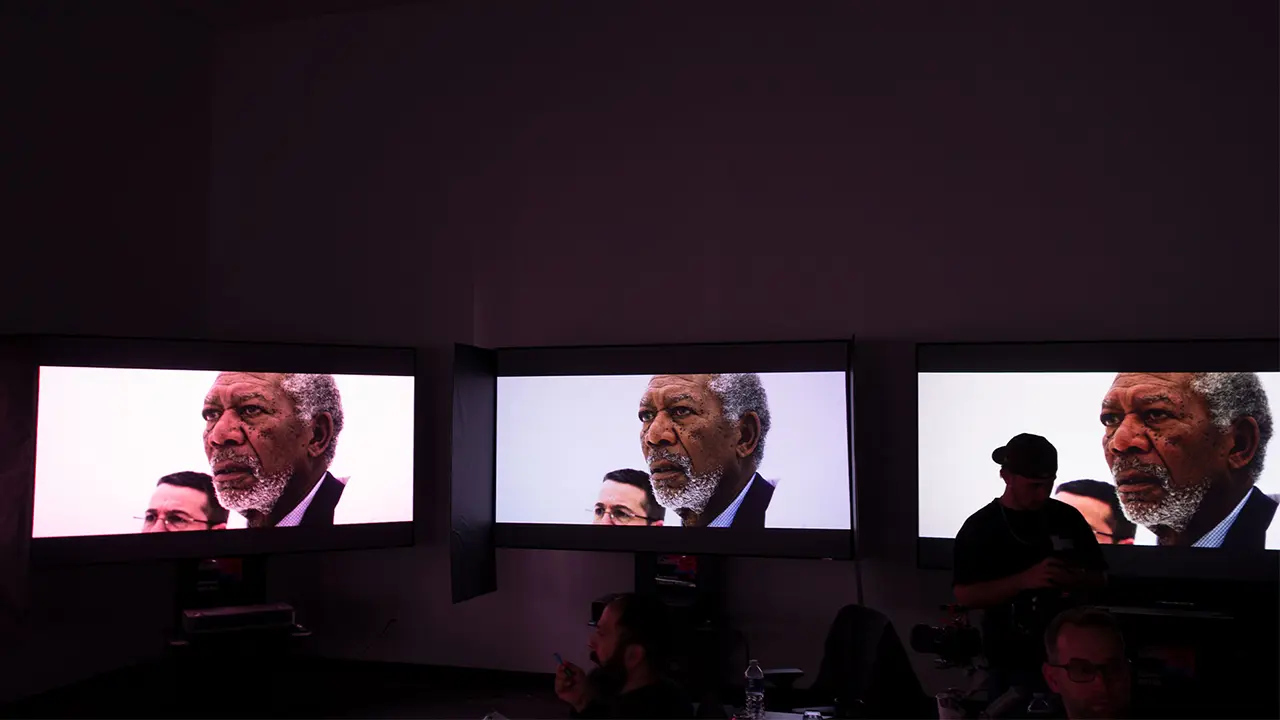
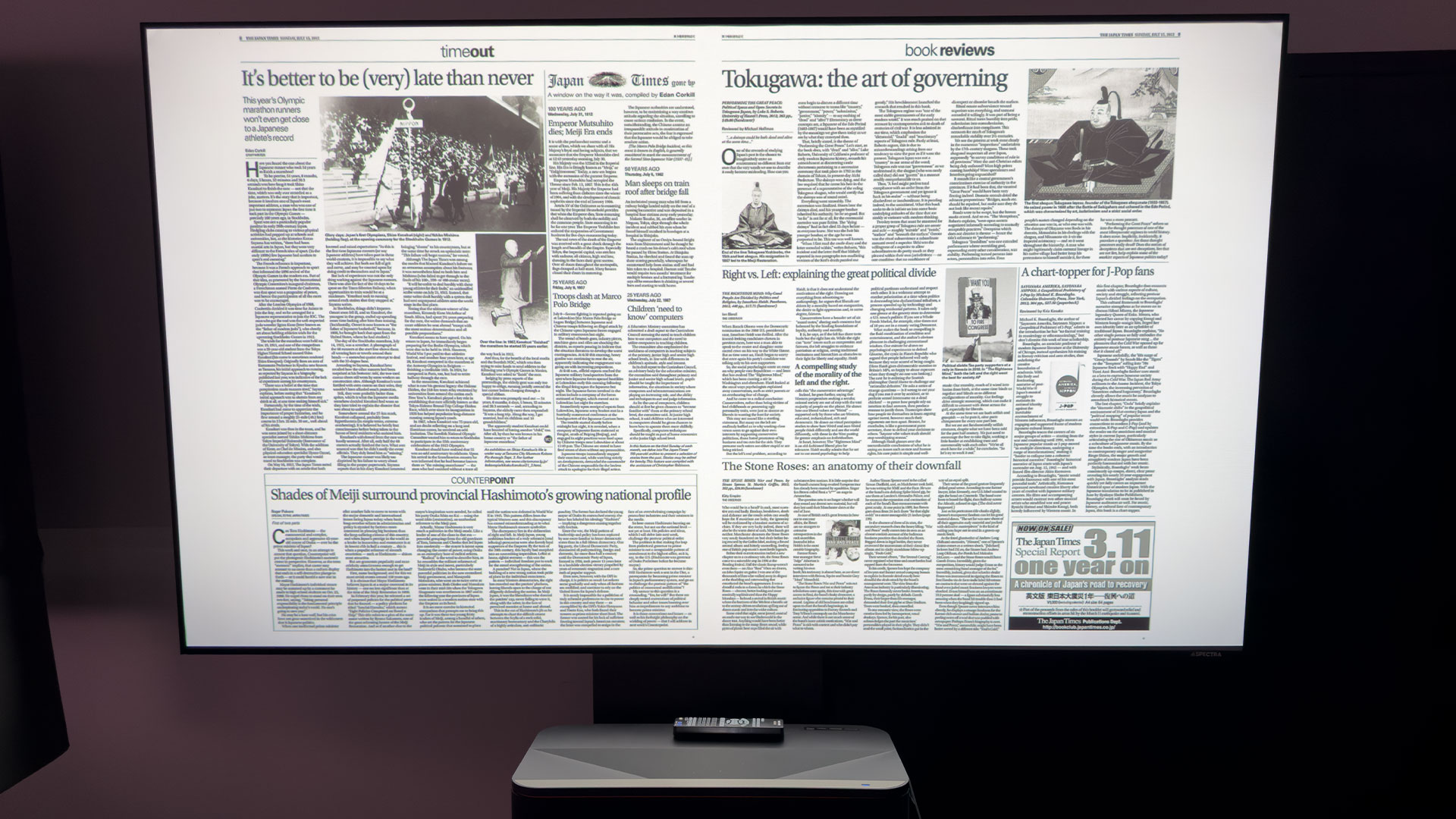
For the first time, we used a dedicated point of visual reference: a 55-inch Samsung S90 QD OLED. It helped us compare color, black levels, HDR highlights, shadow detail, and skin tones. With the reference display established and the room fully controlled, the next step was defining how each projector would be evaluated. These are the judging categories used across all eight units.
Judging Categories
Each UST projector was evaluated across structured categories that remained the same for every unit.
SDR Mode
• Color Accuracy / Skin Tone • Contrast / Black Level • Color Accurate Overall Scene Brightness • Daytime Viewing • Nighttime Viewing
SDR Mode
• Color Accuracy / Skin Tone • Black Level / Shadow Detail • Tone Mapping • Color Accurate Overall Scene Brightness
• Default Picture Quality SDR Out of The Box • Default Picture Quality HDR Out of The Box • Installation Flexibility
Test Content and Key Observations
We used a wide range of scenes, demo material and reference patterns. Here are key observations from selected content.
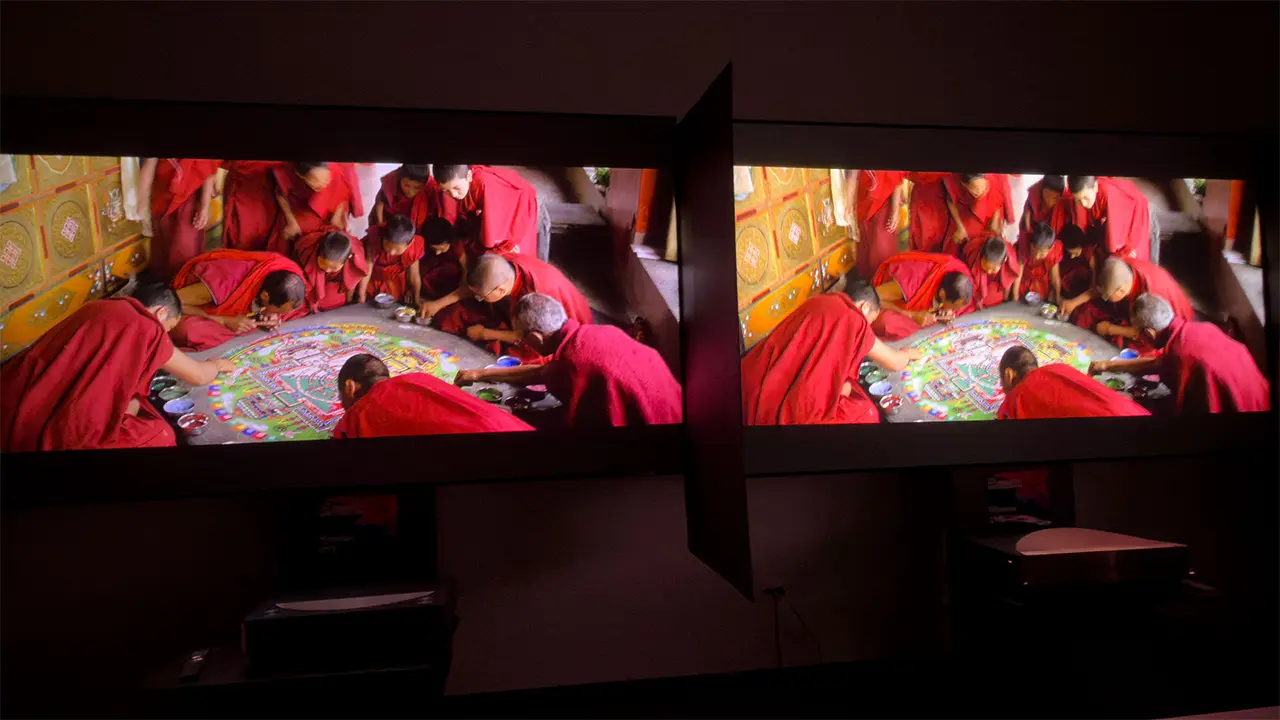
Samsara Sand Art (SDR Color)
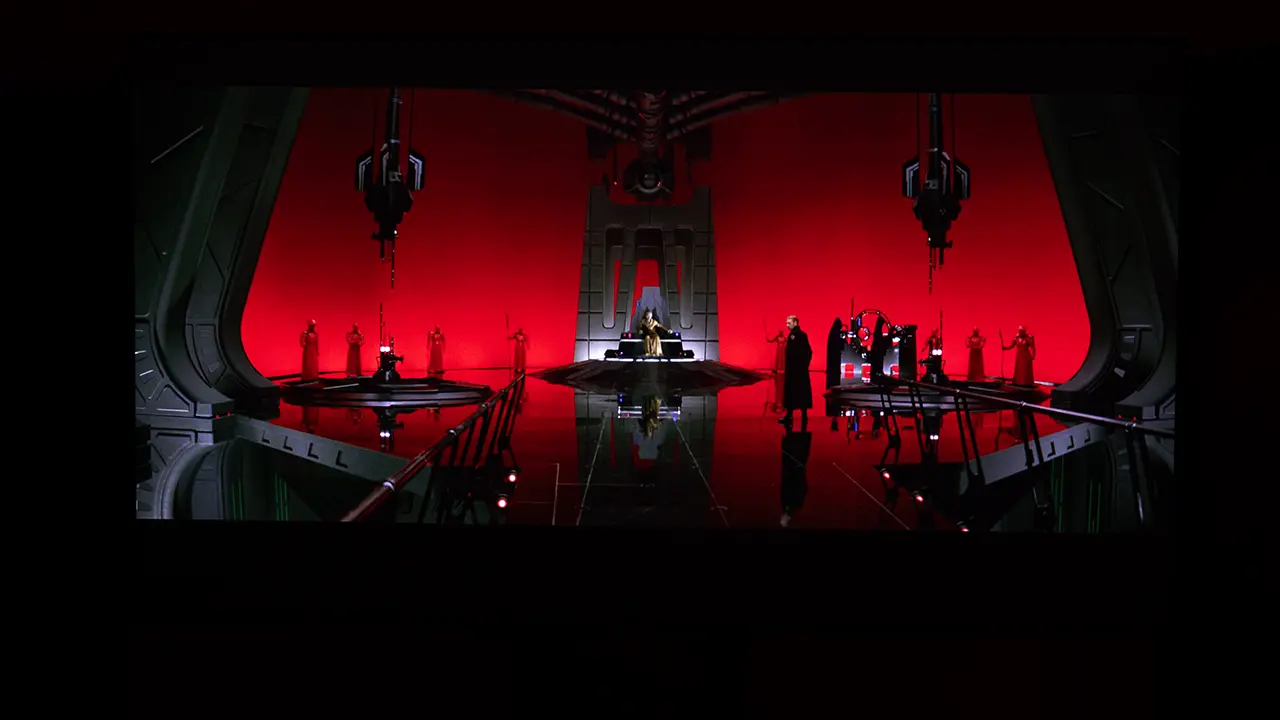
Star Wars: The Last Jedi (HDR Color)
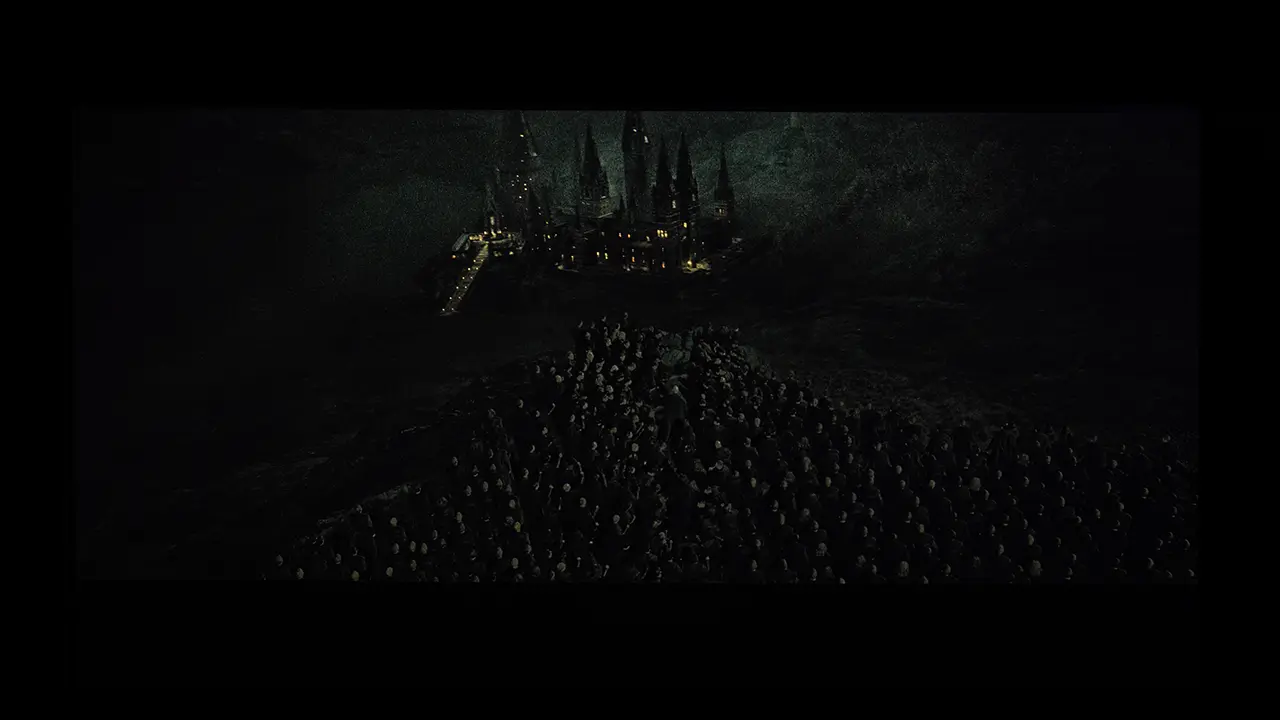
Harry Potter and The Deathly Hallows Part 2 (SDR Contrast)
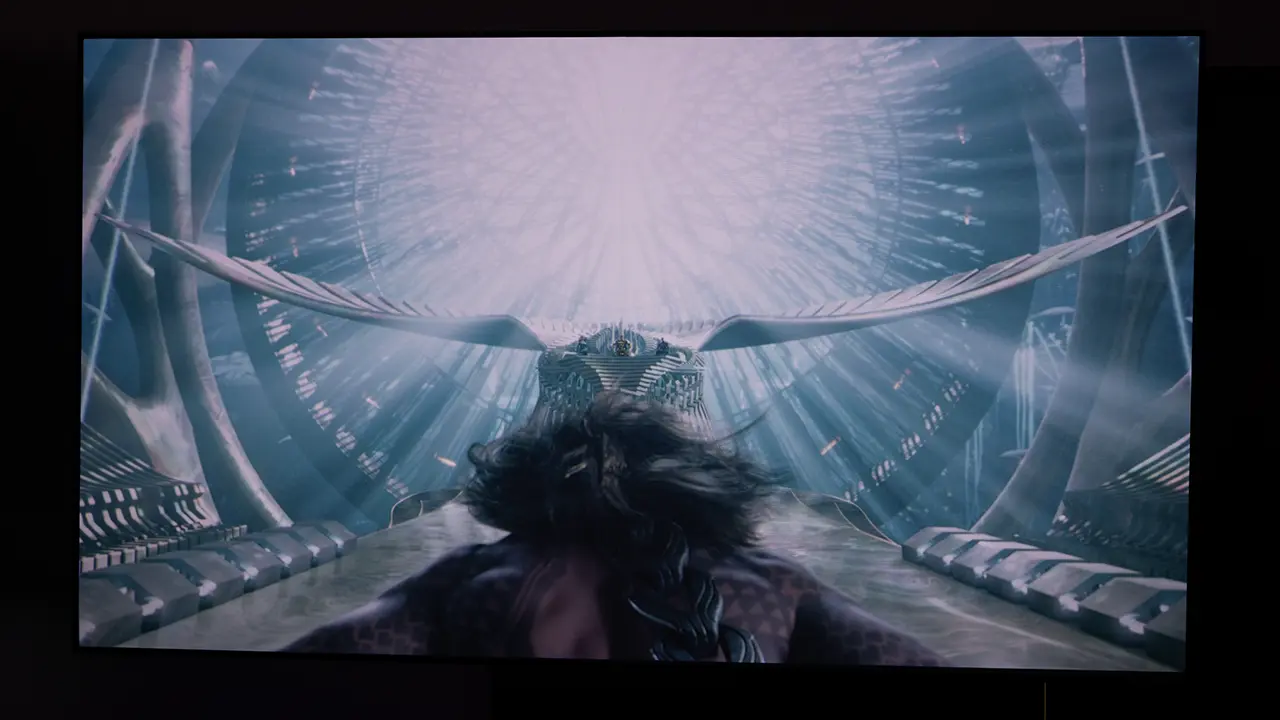
Aquaman (HDR Tone Mapping)
Samsara: Dancers
The Hisense L9Q showed noticeable laser speckle when displaying the scene with the woman in a golden yellow outfit and green fingernails.
Samsara: Sand Art
The Hisense PT1 produced natural, believable skin tones in the Samsara sand art scene
Samsara: Color Parade
Showed a slight green lean in the color parade scene.
Harry Potter and the Deathly Hallows Part 2.
The Formovie blacks were elevated. Depending on the room lighting conditions, this may or may not be desirable.
Star Wars: The Last Jedi
The Praetorian Guard fight, which was used to judge red saturation, near black handling, and HDR depth, looked good on all the projectors.
The Great Wall: Tower Shot
The XGIMI clipped highlights in the tower shot scene.
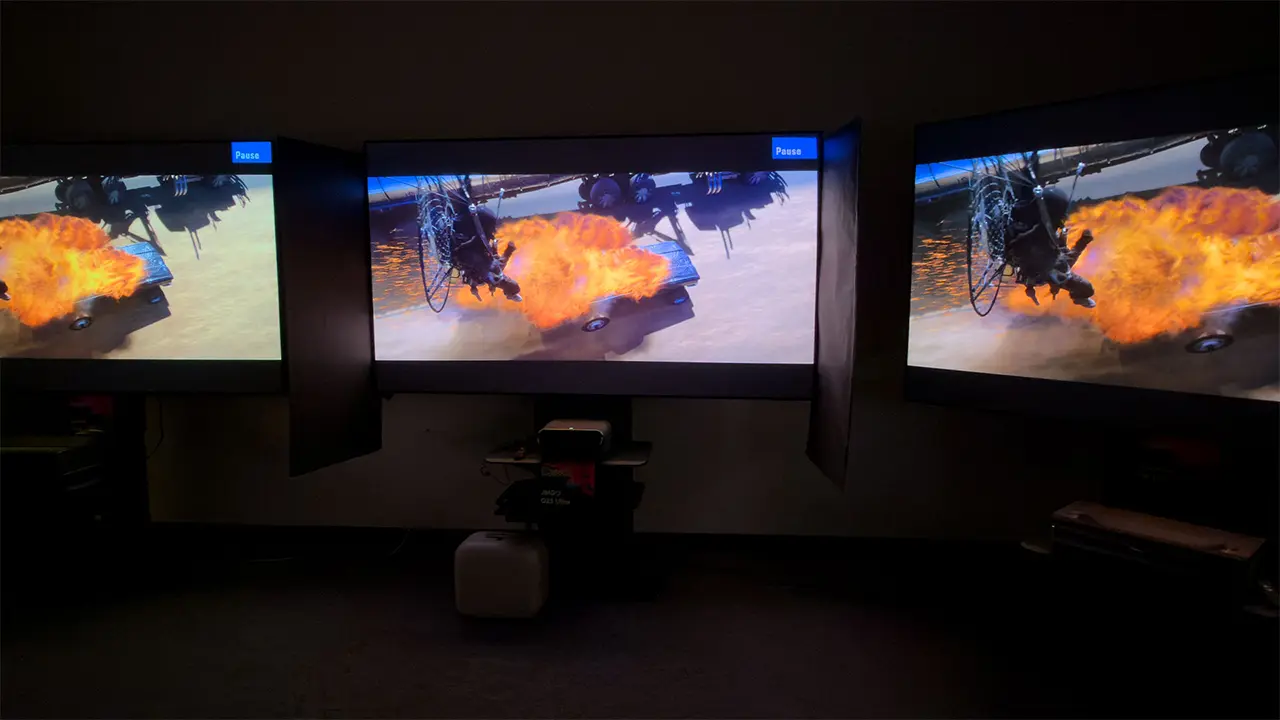
MadMax: Furiosa
Skin tones looked good on all the projectors. XGIMI again lost some cloud detail in bright sky shots.
The Batman (2022)
Shadow detail was strong. The three Hisense projectors' tone mapping stood out, especially in the Vengeance From the Dark sequence.
Aquaman (2018)
The throne room scene showed clipping differences clearly: JMGO O2S Ultra clipped first, followed by XGIMI Aura 2 GTV, then Formovie Theater Premium.
Why Didn't We Test Dolby Vision?
Dolby Vision uses dynamic metadata, which means the source and the display exchange information scene by scene or even frame by frame to decide how the image should be tone‑mapped. HDR10 uses static metadata and is royalty-free, so it applies a single set of tone-mapping rules across the entire movie. Epson designed the QS1100 with HDR10 and HLG performance in mind.
For this showdown, we briefly considered using Dolby Vision. The issue was that Dolby Vision reacts to both the source and the display. With eight projectors connected to a single distribution setup, there was no reliable way to know how each projector would respond or whether the metadata would behave consistently across all units. We did not want to introduce a variable that could influence one projector differently than another. To keep the testing fair and consistent, we decided against using Dolby Vision for the event.
Hard Reset/Out Of the Box Testing
After the initial pass using manufacturer-recommended settings, every projector was factory reset. The judges agreed on which preset picture mode looked best out of the box. We then re-evaluated each projector's SDR and HDR image quality. This round is important because many buyers plug in a UST, pick a picture mode, and start watching. These scores reflect how well manufacturers tuned their baseline modes and how friendly their setup process is for everyday users.
A Message to Manufacturers
One theme that became clear during the 2025 UST Projector Showdown is that many projectors still ship with some of their best image quality features turned off. Dynamic contrast systems, adaptive laser controls, tone mapping enhancements and optimization engines often remain buried in menus and disabled.
Because we judge projectors exactly as they are shipped unless the manufacturer provides recommended settings, the first impression an end user gets is the same first impression we get. If key features are disabled by default, the projector is not showing its true capability. Think of it like buying a new smartphone with the camera locked to a basic low resolution mode until you dig through menus to enable the real features. Most users would never know the camera was capable of more unless they already knew where to look.
That is what happens with many projectors today, not just UST models. We strongly encourage manufacturers to enable their best picture quality features out of the box so users can see the strongest, most accurate image their projector can produce right away. Anyone who prefers a simpler presentation can turn features off later. Shipping with your best settings enabled benefits everyone. It ensures users, reviewers and even the manufacturer’s reputation reflect what the product can actually deliver.
How I Chose My Picks: What Matters Most in a UST Projector to Me
Every judge brings a slightly different perspective to the UST Projector Showdown. My approach comes from years of testing projectors and my ISF Level III background. When I score a UST, I look for the traits that matter in real world viewing.
Accuracy Comes First
If a projector cannot render believable skin tones, natural color and stable whites, everything else starts to fall apart. I put a lot of weight on how a projector handles human faces and subtle gradients because that is where good engineering shows through.
HDR Tone Mapping Is the Big Separator
Modern content is almost entirely HDR, so a projector’s ability to manage highlights, shadow detail and scene by scene changes is critical. Units with balanced tone mapping rise to the top. Projectors that clip highlights or crush shadows fall quickly.
Black Levels and Contrast Depend on the Room
In a fully controlled theater, deep blacks win. In a mixed or bright room, visibility and color stability matter more. I judge based on the environment a projector is designed for, not a single universal standard.
Installation Flexibility Matters
A UST that is difficult to align or needs constant micro adjustments will not perform at its best in a typical home. A solid chassis with consistent focus and predictable placement earns points.
Price Always Plays a Role
Performance matters most, but price determines value. A projector does not need to be the best overall to be the best value. Price never overrides picture quality in my rankings, but it shapes who a model makes sense for.
Consistency Across Content Is the Final Filter
A projector should not only look good on one scene or one movie. I look for stability across multiple sources, genres and brightness ranges. When you see my picks throughout this article, they reflect a balance of accuracy, tone mapping, usability, consistency and value.
Because we had multiple categories this year, I was able to adjust my approach slightly within each one. Some categories rewarded technical precision, others emphasized real‑world usability or value. That flexibility helped me judge each projector based on what mattered most for that specific category.
My Winners and Final Rankings
My Personal Overall Pick
1st Place: Hisense PX3-Pro
The Hisense PX3-Pro delivered the strongest overall balance of performance, feature set and real-world usability. Its combination of HDR handling, SDR accuracy, color performance and installation flexibility made it my top overall choice in the 2025 UST lineup.
SDR Pick
1st Place: Hisense L9Q
Excellent SDR performance with high brightness, rich color and strong contrast. In a well controlled room, the L9Q produced a very engaging SDR image with believable skin tones and impactful overall brightness.
2nd Place: NexiGo Aurora Pro MKII
Natural color reproduction with stable whites and smooth gradients. The Aurora Pro MKII delivered a clean, accurate SDR presentation that held up well across a wide variety of content.
3rd Place: XGIMI Aura 2 GTV
Solid SDR brightness and respectable color performance. While it showed some limitations compared to the top two, its SDR output remained competitive for its class
HDR Pick
1st Place: Hisense PX3-Pro
The PX3-Pro offered the most convincing HDR performance overall, with strong tone mapping, good highlight preservation and an engaging sense of depth across demanding HDR scenes.
2nd Place: Hisense L9Q
Very bright HDR with impactful specular highlights and good shadow detail. Its HDR performance was impressive and held up well against the top pick.
3rd Place: Hisense PT1
Delivered consistent HDR performance with solid tone mapping and good overall balance. While not the brightest in the group, it still handled HDR content respectably for its position.
Best For Dedicated Theater
1st Place: Hisense PT1
Balanced contrast, accurate color and solid HDR performance made the PT1 a strong fit for a fully controlled dark room. Its image quality pairs well with a dedicated theater setup.
2nd Place: Hisense PX3-Pro
Delivered a cinematic image in a dark environment with strong HDR impact and detailed shadow rendering. It remains an excellent choice for serious home theater use
3rd Place: Epson QS100
Benefited from Epson’s motion handling and overall image stability. While it lacks Dolby Vision support, its core performance still made it a viable contender in a theater style environment.
Best For Mixed Room
1st Place: Hisense L9Q
High brightness and vivid color give the L9Q a strong presence in rooms with ambient light. It maintained good contrast and color even when conditions were less than ideal.
2nd Place: Epson QS100
Good brightness and stable performance made it a practical option for mixed use spaces that are not fully light controlled.
3rd Place: Formovie Theater Premium
While its elevated blacks are more noticeable in a dark theater, in a mixed room it still delivers a pleasing and detailed image.
Best Value
1st Place: JMGO O2S Ultra
The only truly portable UST in the group. At roughly ten pounds, with an included carrying case and an exceptionally short 0.16 throw ratio, it offers portability and flexibility none of the others can match. Its price relative to performance gives it exceptional value.
2nd Place: Hisense PT1
Consistent SDR and HDR performance, strong color and straightforward installation at a very competitive price. The PT1 continues to offer one of the best performance per dollar ratios.
3rd Place: XGIMI Aura 2 GTV
A feature rich UST with good brightness and a competitive price point. Despite some green bias and HDR clipping, it remains compelling for budget-focused buyers.
Best For Portable Option
JMGO O2S Ultra
The O2S Ultra stood out for portability. It weighs about ten pounds, ships with a carrying case and has a 0.16 throw ratio that produces a 100 inch image from about 6.6 inches. It is the only model with this level of mobility and took First Place in Best Value.
Important Note About My Results
These rankings represent my personal judging results only, based on what I saw from my viewing position, my evaluation priorities and my experience as a reviewer. They are not the official winners of the 2025 UST Projector Showdown.
The showdown includes multiple judges, each scoring independently. Philip Jones and ProjectorReviews.com, along with Brian Gluck and ProjectorScreen.com, compile the full set of all judges’ scores to determine the actual event winners.
If you want the full official results, the complete scorecards, and Philip’s write-up of the final standings, please visit ProjectorScreen.com for the full event breakdown and complete ranking results. ProjectorReviews.com – for Philip Jones’ analysis and the official winners. My section of this article reflects only my experience, my scores, and my perspective as one judge in the panel.
Fire Alarm: The Unofficial Ninth Test
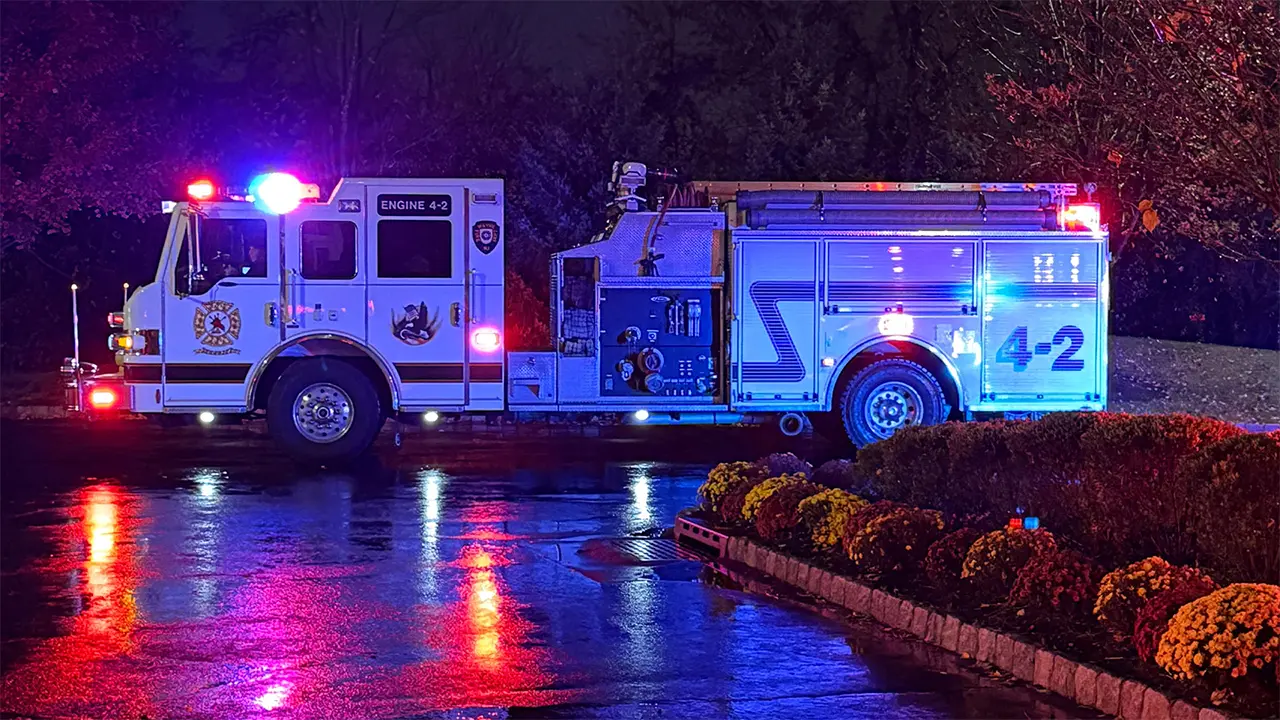
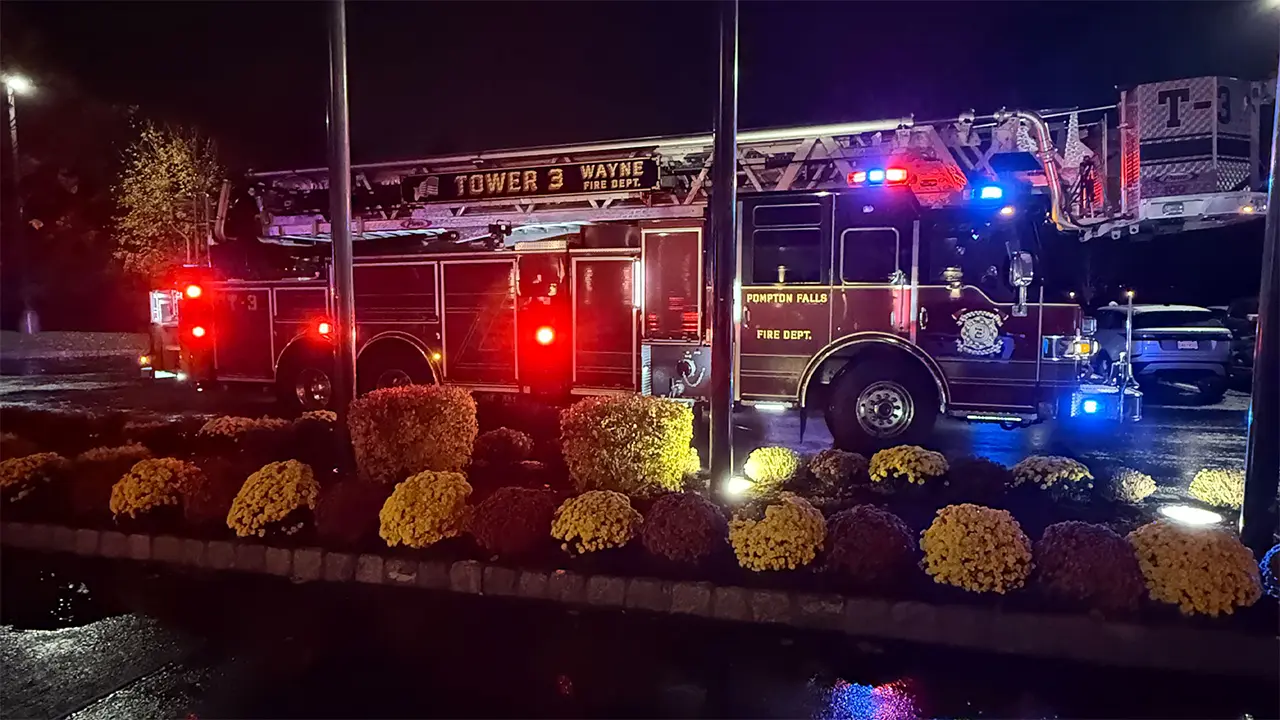
At 3:05 in the morning, the entire judging team woke to one of the loudest hotel alarms I have ever heard. At first I slapped the alarm clock, thinking it was a terrible wake up tone. A moment later it was clear this was no alarm clock. The lights were flashing and the building alarm system was in full evacuation mode.
We all headed outside into the cold rain, standing in the parking lot trying to figure out who angered the home theater gods. The Pompton Falls Fire Department and Wayne Fire Department responded quickly, along with the Wayne Police Department. They moved through the building to make sure everything was safe.
There was no fire, just an unforgettable moment that became an instant inside joke for the weekend. If there were an award for Best Surprise Demo, that alarm would have won.
Closing Thoughts
Thanks for hosting us, Brian, and ProjectorScreen.com
After the judging wrapped up, all of us sat down with Philip Jones and Brian Gluck to talk through the results. It became clear that this year was different. We were no longer dealing with a lineup that had obvious weaknesses. The truth is that all eight UST projectors were good. Our job shifted from identifying flaws to explaining which models performed better for specific use cases. An end user could pick any one of these and walk away happy. There is a legitimate argument for each projector in this lineup.
Last year we had a long list of improvement suggestions for manufacturers. This year the conversation flipped. The 2025 lineup showed real progress across the board. Our discussions focused on small refinements instead of major gaps. We even found ourselves commenting on details like the lack of backlit remote controls. That shift alone says a lot.
This level of improvement shows how seriously manufacturers are taking UST development. The competition has never been closer, and every model in this event demonstrated meaningful advancement.
For pricing and availability, I always encourage readers to visit ProjectorScreen.com directly. Pricing changes often because of promotions and special events. Listing exact numbers here would only lead to confusion later. The most accurate information will always come straight from them.