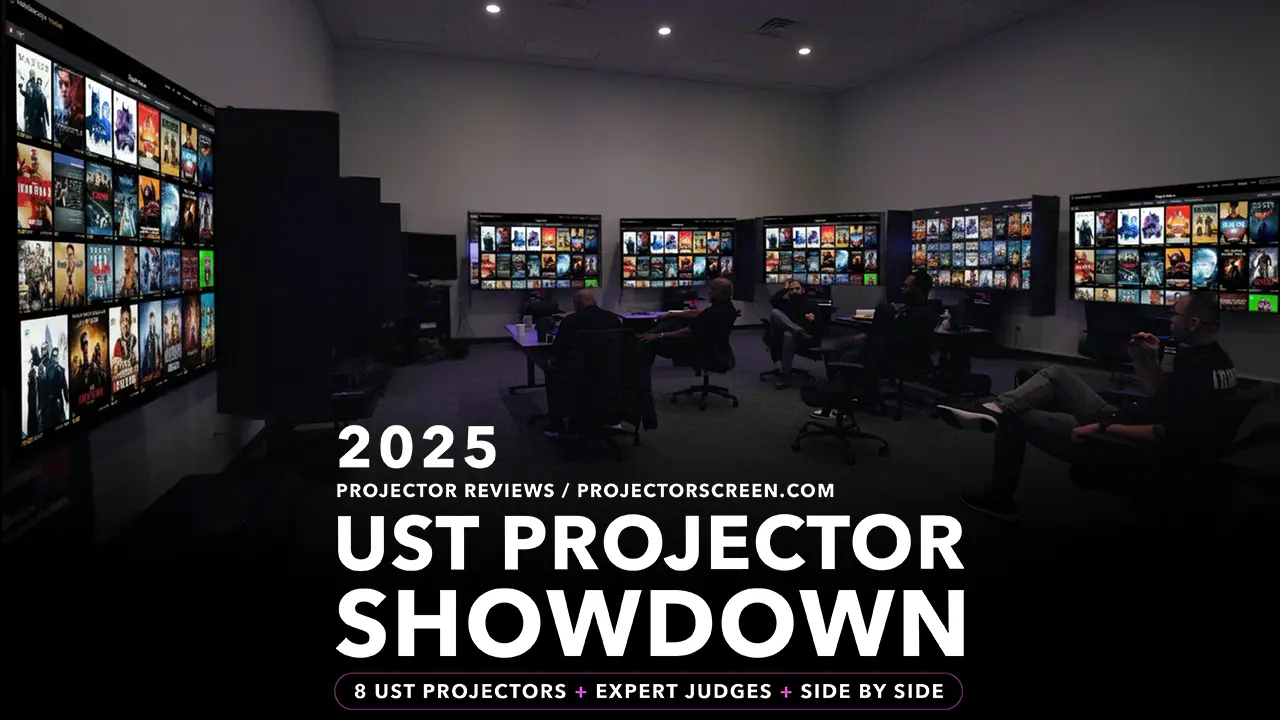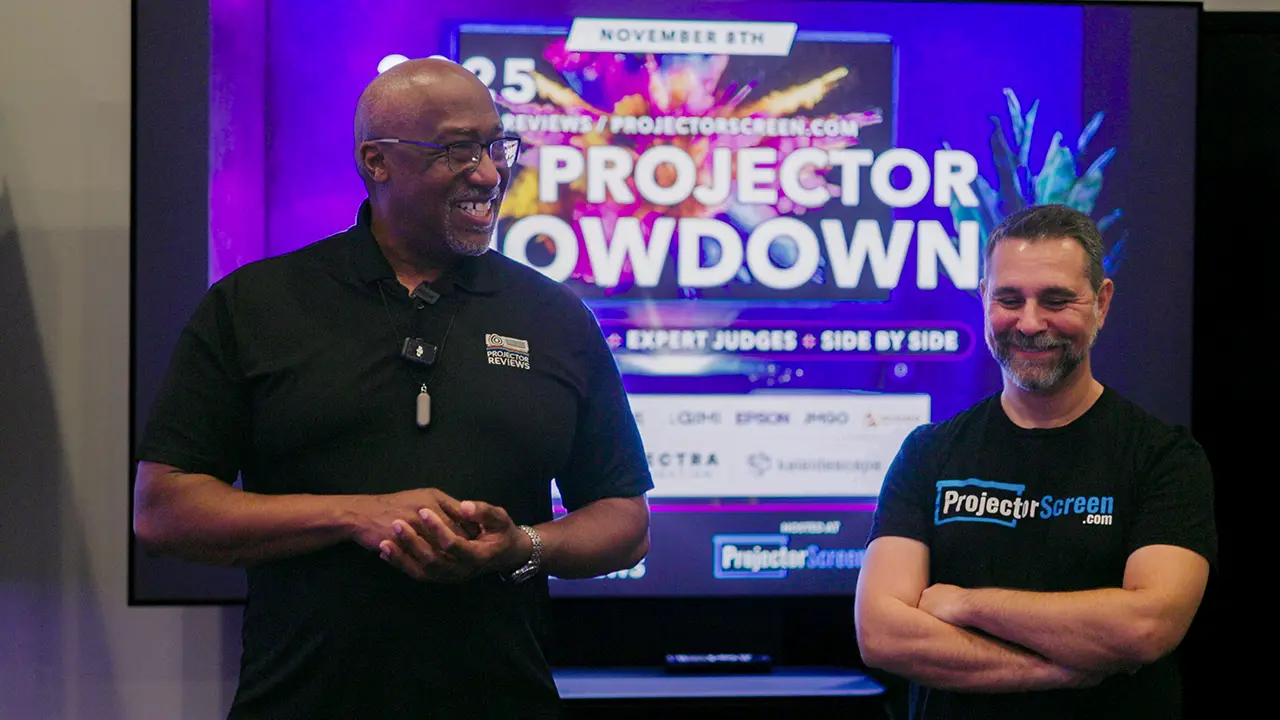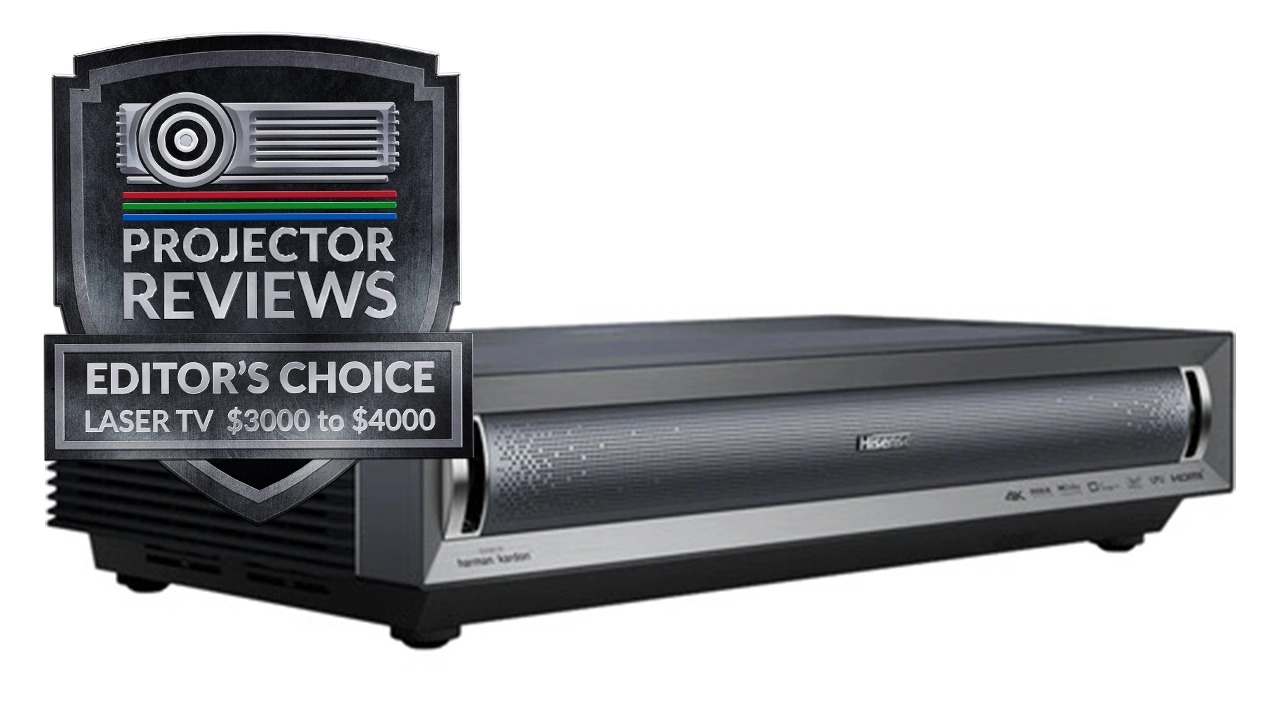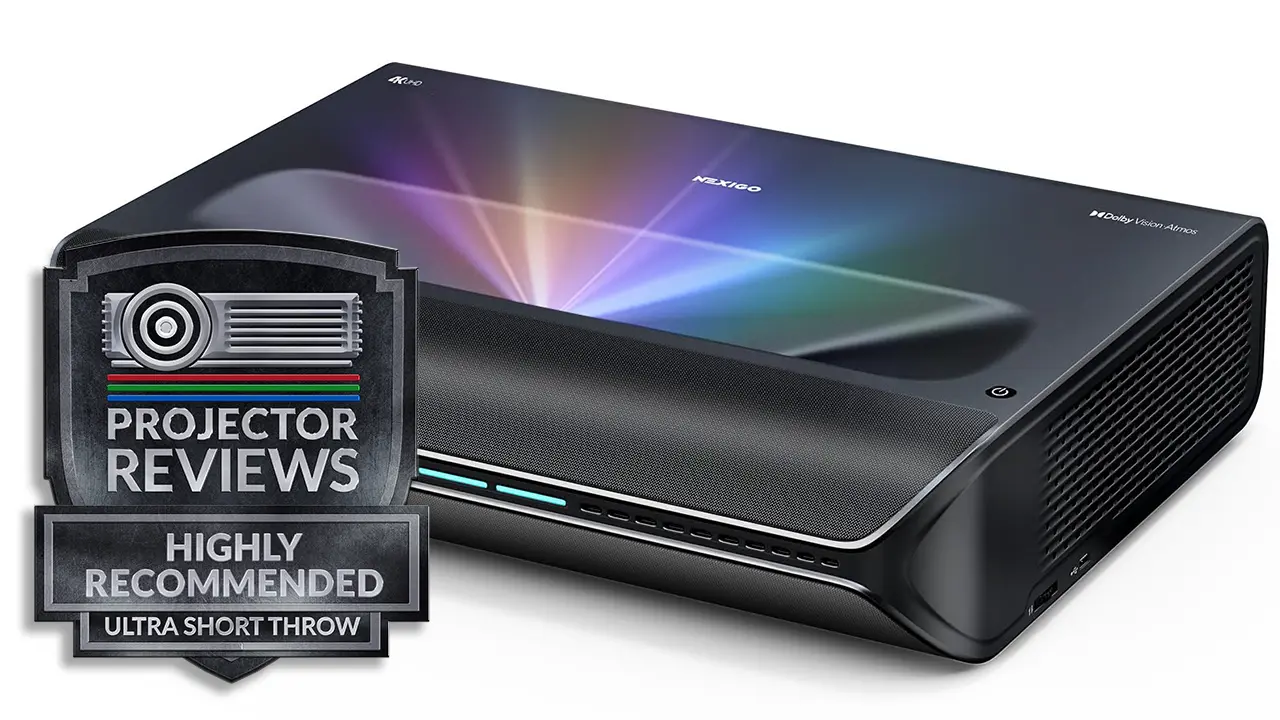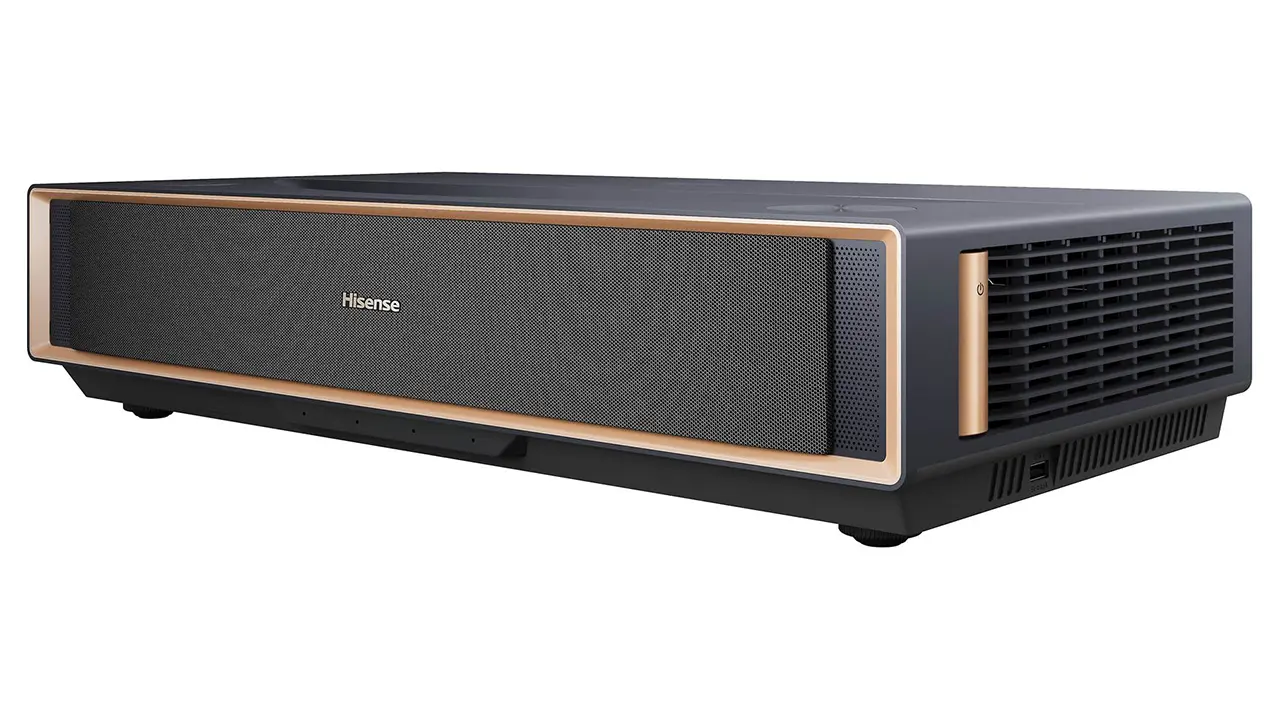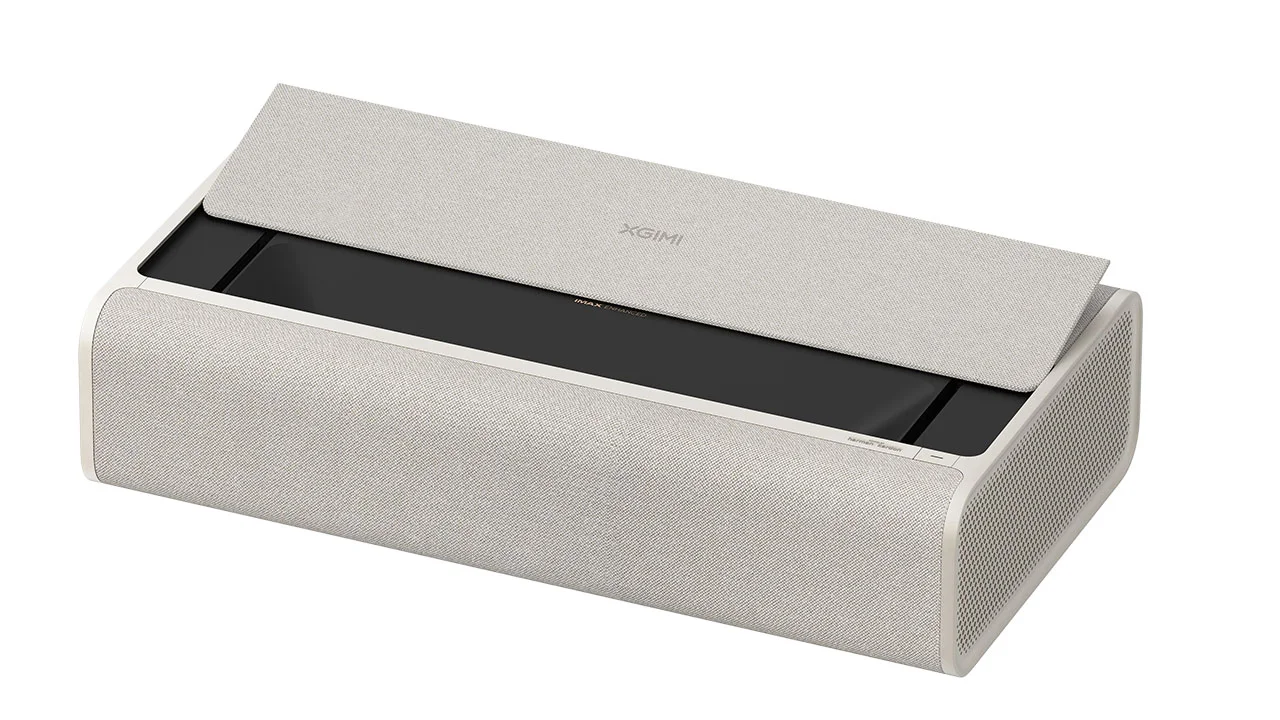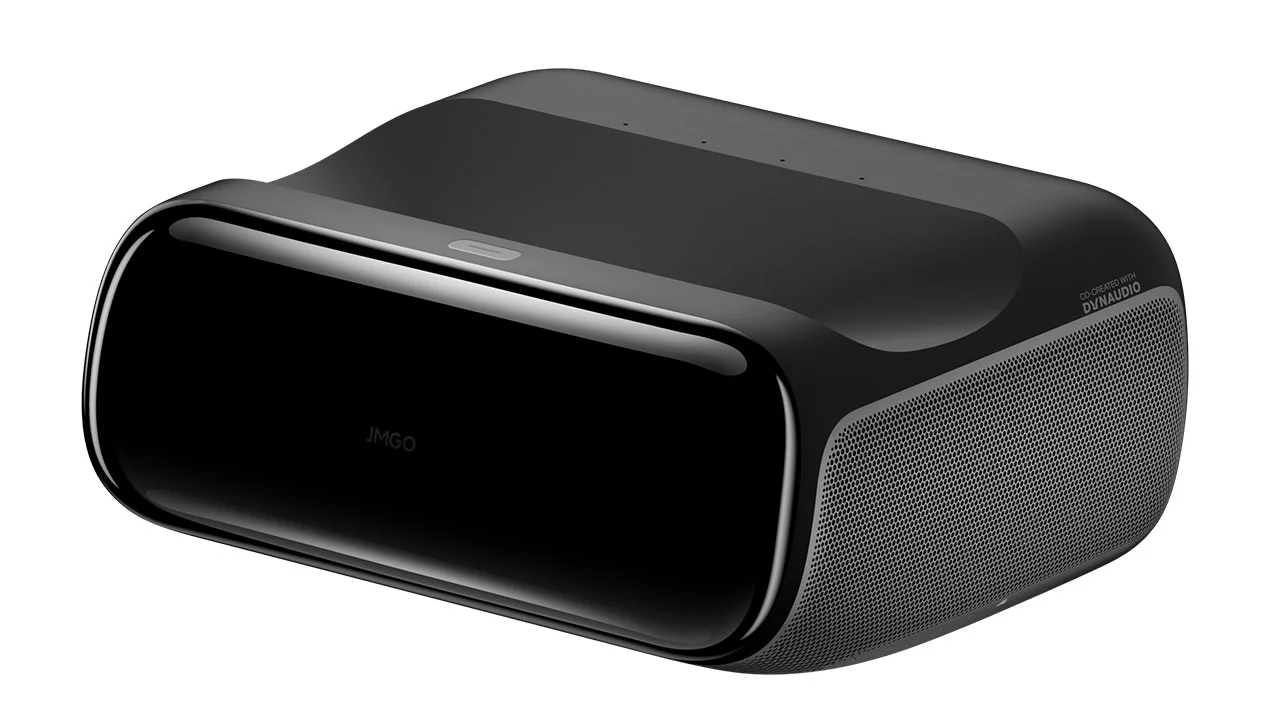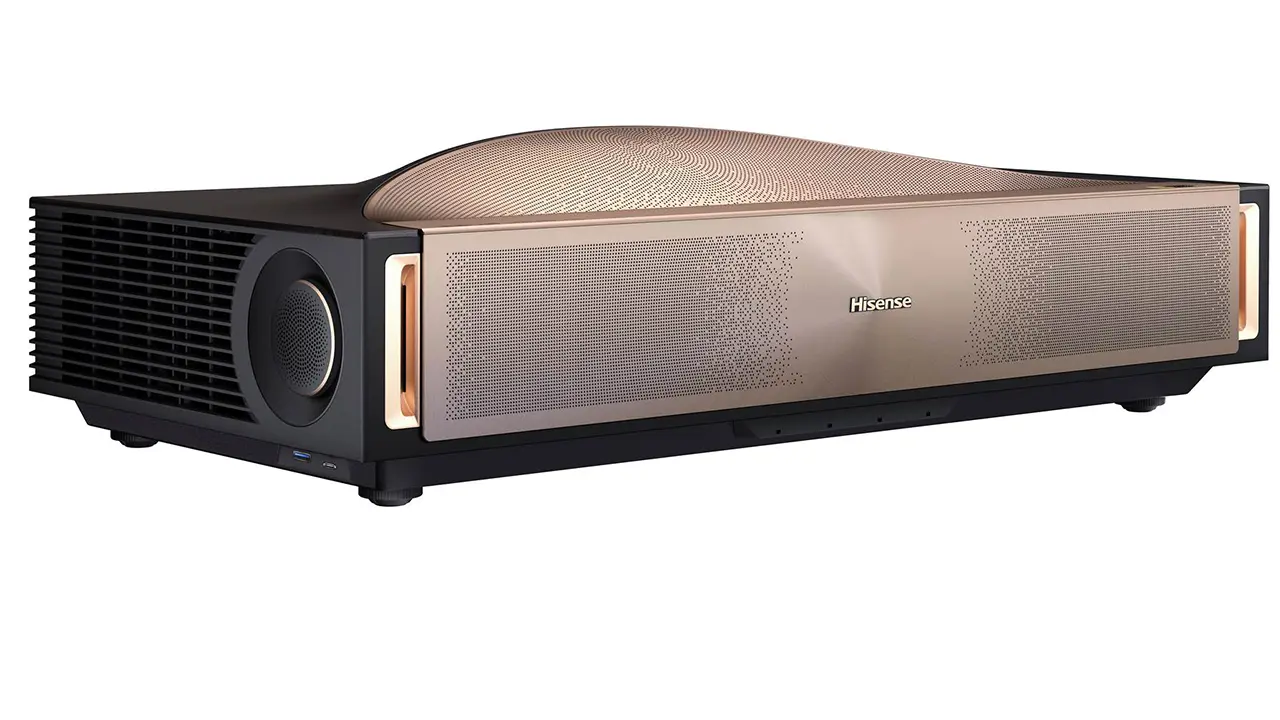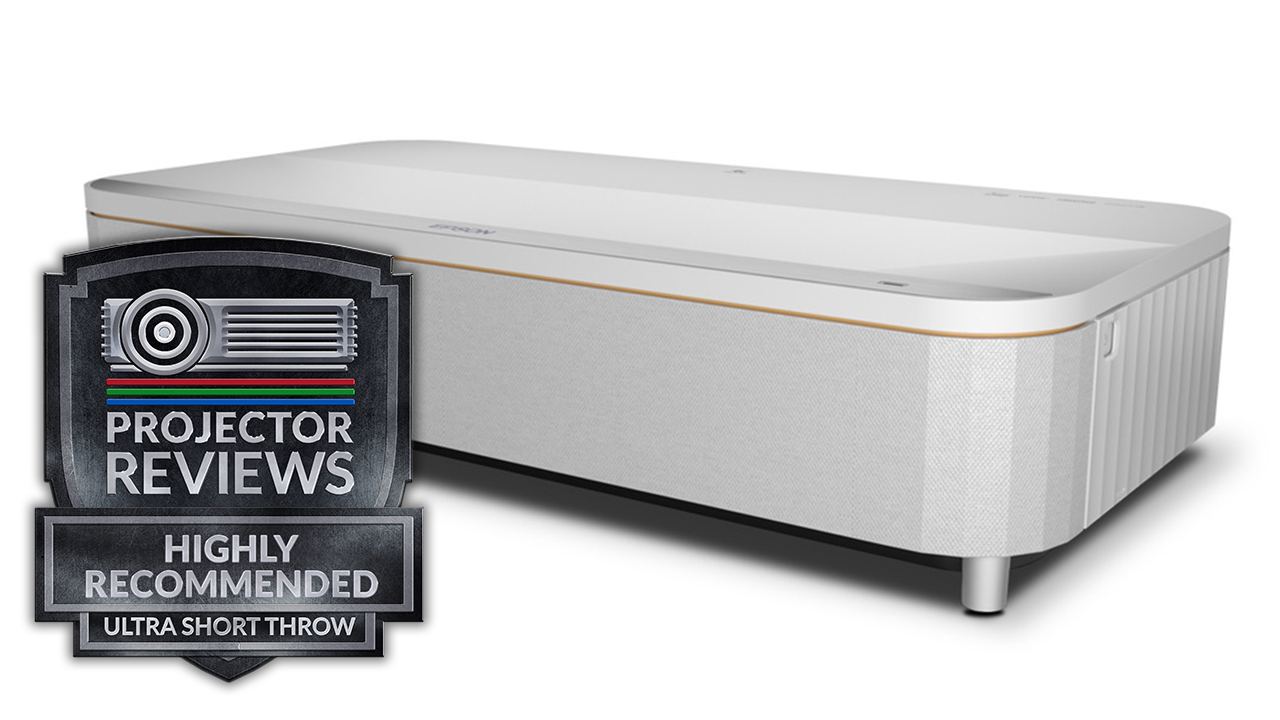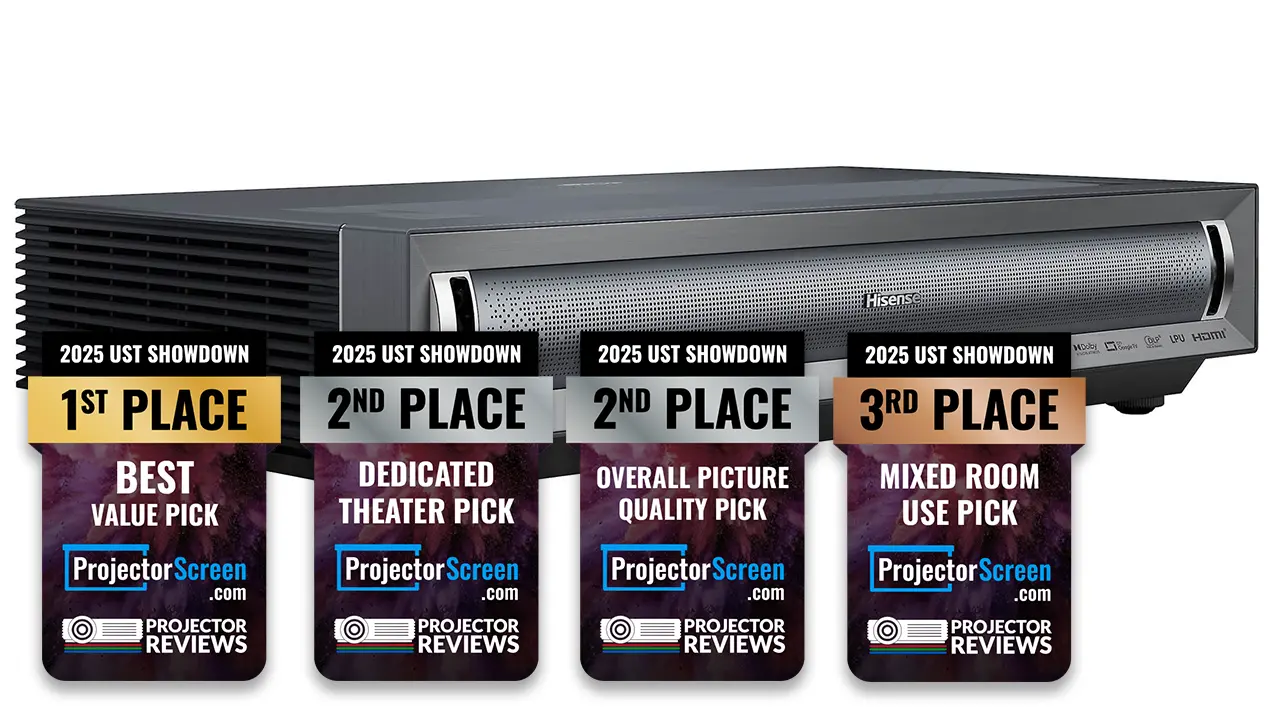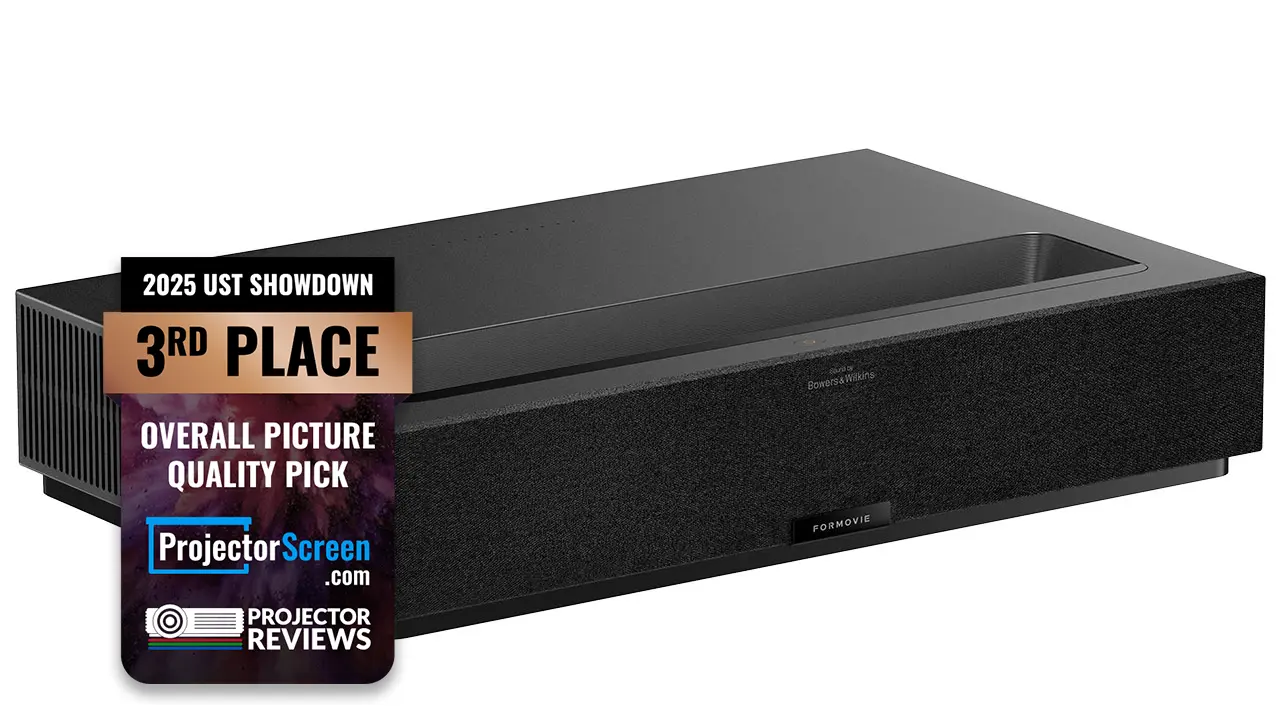

ProjectorReviews.com and ProjectorScreen.com worked together to host the 2025 Ultra-Short Throw Projector Showdown, which brought together some of the best UST projectors in the market for a head-to-head comparison under controlled conditions.
Since Philip Jones was hosting the event, he opted not to participate in the judging. However, he wanted to share my impression of the event, so this article provides an in-depth look at the event setup, judging criteria, performance evaluations, and his impressions of the standout projectors.

Kam Valentine from Projector Reviews was asked again to serve as a judge for the "2025 UST Projector Showdown" at the ProjectorScreen.com Headquarters in Pompton Lakes, New Jersey.
The event was produced by Brian Gluck ProjectorReviews.com and run by Projector Reviews Technical Editor and Lead Reviewer Phil Jones. It offered a unique opportunity to evaluate several popular UST projectors side by side in a controlled environment.


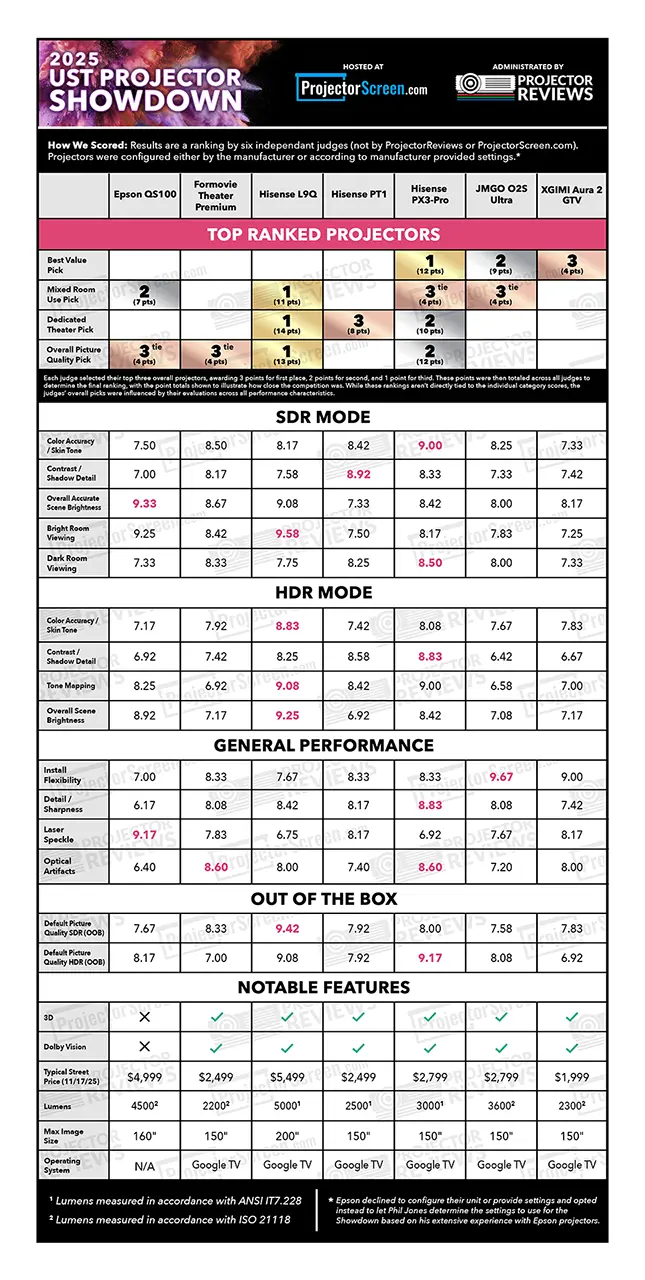
During the 2025 Ultra-Short Throw Projector Showdown, each projector was evaluated based on a comprehensive set of criteria designed to reflect real-world viewing experiences. Judges assessed performance in both SDR (Standard Dynamic Range) and HDR (High Dynamic Range) modes, focusing on attributes critical to image quality and usability in various environments. The judge’s scorecard was divided into SDR and HDR, each with several criteria.
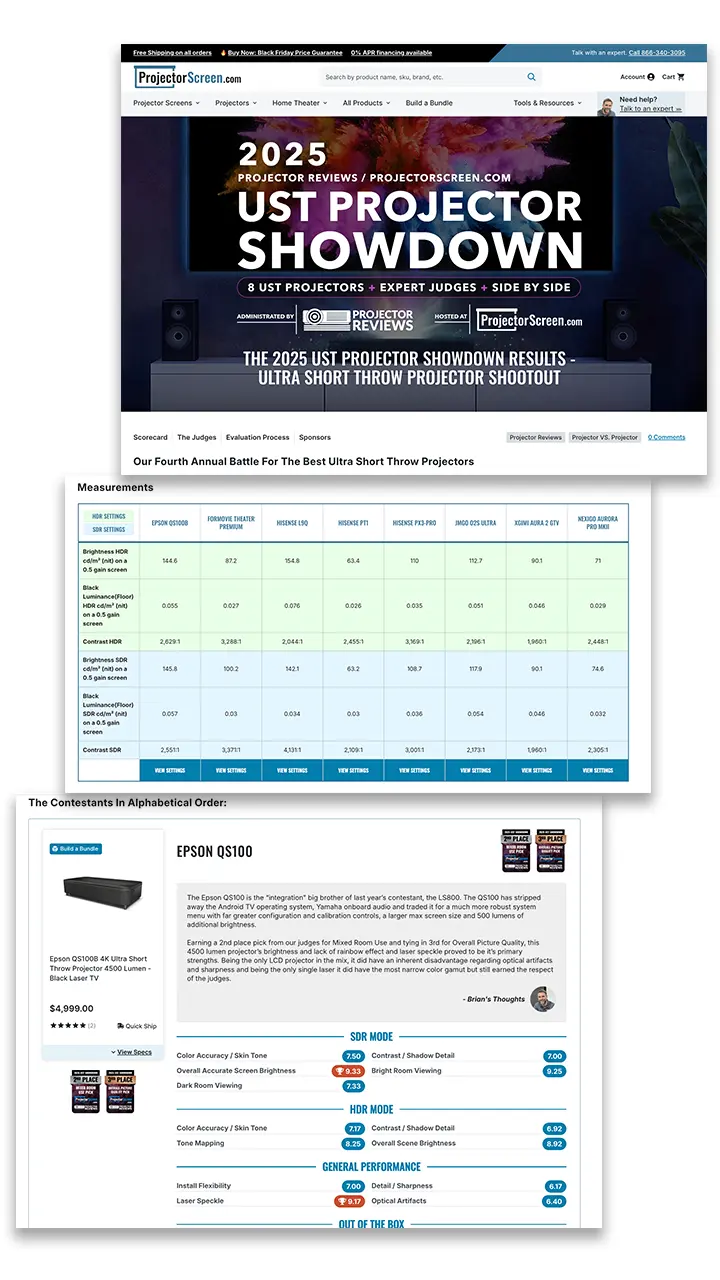
To determine which projectors received an award, we used ranked-choice voting, awarding 3 points for a #1 pick, 2 for a #2 pick, and 1 for a #3 pick. The projector tabulation of points was used to determine its ranked choice. The ProjectorScreen team also took the time to measure the brightness and native contrast of each projector. All the measurements and rankings are posted on a dedicated 2025 UST Showdown Page on ProjectorScreen.com
The first thing many judges said when they entered the room was that this year’s evaluation process would be far more difficult than in previous years. This is because the color reproduction of many of the projectors has improved dramatically. Most offered good HDR tone mapping and enough brightness to be usable even in a room with low ambient light.
During the event, the judges tended to gravitate towards the brightest image with the most accurate color. This is why the L9Q did so well in the Showdown, even though it did not have the deepest black levels. The projector’s higher brightness produced greater perceived visual contrast, which is why the judges said it looked closest to the reference OLED display in most scenes.
Yes, you could argue that the L9Q’s blacks weren’t as good as some of the other projectors when viewing super dark test scenes in Batman, but when viewing basically 90% of the SDR and HDR content you would watch daily, the benefit of the L9Q’s brightness and color capabilities is obvious.
For some attendees, design, simple setup, and install flexibility are just as important as picture quality. High Performance is meaningless if your significant other won’t allow you to place the unit in your living room.