Fujifilm’s FP-ZUH6000 is a 6,000-lumen 4K laser projector designed for professional installations where conventional optics do not provide sufficient flexibility. The FP-ZUH6000 is equipped with a blue laser light source rated at 6,000 ANSI lumens, and the projector can deliver a dynamic contrast ratio of 12,000:1
The projector’s most notable feature is its two-axis-rotatable Fujinon lens, which offers an ultra-short 0.34–0.37 throw ratio, lens shift of ±82 percent vertically and ±35 percent horizontally, and the ability to rotate around both the mounting axis and the lens axes.
The lens assembly is fixed to the chassis but motorized for zoom, focus, and lens shift, and it can be rotated to redirect the image without moving the projector's body. The FP-ZUH6000 can project onto walls, ceilings, floors, or angled surfaces from a single fixed mounting point, something that standard and even most ultra-short-throw projectors cannot match.
The FP-ZUH6000 is also Fujifilm’s first Z-series model to support 4K output. It is equipped with a 0.65-inch 1080p DLP with 4K pixel shifting, which produces a full 3840 × 2160 resolution on screen. The FP-ZUH6000 supports 4K 60-Hz input over HDMI and HDBaseT and can output up to 4K UHD (3840 × 2160) when its 4K mode is engaged.
The FP-ZUH6000 is also the first Fujifilm projector to incorporate the company’s Film Simulation modes, derived from its long history with photographic and cinema film stocks. These presets, which include options based on famous emulsions such as Velvia and Eterna, give content creators powerful color-grading looks directly in the projector.
Fujifilm includes a full suite of geometric correction features, including keystone correction, warping, and edge-blending across multiple projectors, which is critical for panoramic and dome installations.
Networking is equally robust thanks to HDBaseT, LAN, and RS-232 control, along with compatibility with common control ecosystems such as Crestron and AMX through standard protocols like PJLink.
By combining 6,000 lumens with 4K on-screen resolution and a revolutionary ultra-short-throw folded lens, the FP-ZU600 offers unparalleled installation flexibility. The projector that can be tucked into tight architectural spaces while still delivering very large, bright, detailed images for trade shows, immersive rooms, museums, and high-impact events.

+ 6000 ANSI Lumens of Brightness
+ Folded two-axial rotatable UST lens
+ Horizontal/Vertical Lens Shift
+ Good SDR/HDR Image Quality
+ Excellent Build Quality and Design
- 36 dB of Fan Noise
- Limited WiFi Functionality

When I saw the Fujifilm FP-ZUH6000 at InfoComm 2025 in Orlando, Florida, I was fascinated. The FP-ZUH6000, Fujifilm’s first 4K projector, features their unique folding, rotating Fujinon lens. This patented design allows the optical block to pivot and rotate, enabling projection from orientations and angles where traditional projectors cannot physically operate.
Fujifilm’s folded optics is designed to maintain tight focus from corner to corner, which is essential when projecting onto large surfaces at very short distances. Fujifilm emphasized the company’s 90-plus-year pedigree in optics and color science. Decades of Fujinon lens-development expertise, dating back to the 1940s, directly shaped the engineering behind the projector’s complex optical assembly
When combined with its industry-leading lens-shift capability of up to ±82% vertical and ±35% horizontal, the FP-ZUH6000 allows installers to place a projector far off-axis while still delivering precisely aligned imagery. In contrast, most ultra-short-throw or specialty lenses offer only minimal shift and require strict mounting geometry. Fujifilm’s optical system breaks that limitation, making the FP-ZUH platform uniquely suited for museums, experiential venues, themed entertainment, and any application where the projector must hide within architectural elements.
In a trade show environment, the FP-ZUH6000’s strengths become obvious. Since the projector can project a 120-inch or larger image from a meter away, exhibitors can place it near booth walls or even recess it into structures, leaving more floor space for visitors and products. The extensive lens shift and rotation mean the image can be aimed exactly where it is needed, even if the projector is mounted off-center, behind decorative elements, or above a ceiling soffit.
To demonstrate the projector’s full potential, Fujifilm partnered with Igloo Vision at InfoComm 2025 to build a custom 213-square-foot immersive room at the show. The exhibit used eight FP-ZUH6000 units for floor-to-ceiling edge-blended projection powered by Igloo’s ICE-Book engine. The FP-ZUH6000’s optical shift and rotation capabilities simplified alignment across all those surfaces, while the ultra-short throw optics minimized shadows and prevented projector beams from shining directly into visitors’ eyes.
The demonstration highlighted the projector’s unique design enables experiences that are nearly impossible with conventional hardware. It illustrated why the FP-ZU6000 is well-suited for experiential marketing suites, simulation environments, and multi-sensory exhibits where traditional projectors would either intrude into the space or require complex mirror systems.
For corporate events, the ability to hide the projector body while only exposing the lens allows designers to integrate large visuals into stage sets or architectural backdrops without cluttering the view with hardware. The relatively quiet operation and long-life laser engine mean that once the system is installed and calibrated, it can run day after day with minimal maintenance.
Additionally, the folded optical path reduces the need for external mirrors or periscope assemblies that are sometimes used with standard-throw projectors to achieve unconventional projection angles. Such external optics add cost and alignment complexity, whereas Fujifilm’s solution integrates them into a factory-calibrated, sealed lens unit.
Color reproduction is an area where Fujifilm’s heritage is particularly evident. The FP-ZUH6000 supports full CMS adjustments, accepts 3D LUTs, and introduces Fujifilm film-simulation modes borrowed from the company’s X-Series and GFX-Series cameras. Creative professionals can apply ETERNA for a cinematic tone or VELVIA for highly saturated color, emulating the company’s classic Fujifilm film stocks.

In Fujifilm’s Z-series family, the FP-ZUH6000 sits alongside the FP-Z8000 and FP-Z6000. All three models share the same basic chassis and a folded, two-axis, rotatable lens, but differ in resolution and brightness.
The FP-Z8000 is an 8,000-lumen WUXGA projector designed for larger venues or environments with high ambient light, while the FP-Z6000 is a 6,000-lumen WUXGA model that offers similar brightness to the FP-ZUH6000 but with 1920 × 1200 native resolution and no 4K pixel-shifting. The FP-ZUH6000 is the only 4K-capable member of the family at present. The chart below shows the main differences between Fujifilm projectors.

Feature | FP-ZUH6000 | FP-Z8000 | FP-Z6000 |
Brightness | 6,000 lm | 8,000 lm | 6,000 lm |
Onscreen Resolution | 3840 × 2160 | 1920 × 1200 | 1920 × 1200 |
DLP Chip | 0.65-inch | 0.67-inch | 0.67-inch |
Aspect Ratio | 16:9 | 16:10 | 16:10 |
Throw Ratio | 0.34–0.37 | 0.34–0.37 | 0.34–0.37 |
Lens Shift (Vertical / Horizontal) | ±82% / ±35% | ±70% / ±35% | ±70% / ±35% |
Projected Image Size | 70–300 inches | 70–300 inches | 70–300 inches |
Noise (Normal / Eco) | 36 dB / 34 dB | 43 dB / 40 dB | 41 dB / 38 dB |
Dimensions (W × D × H) | 486 × 496 × 175 mm | 460 × 510 × 162.5 mm | 460 × 510 × 162.5 mm |
Weight | Approx. 17.5 kg | Approx. 18.4 kg | Approx. 17.5 kg |
The FP-Z8000 is the best choice when maximum brightness is paramount, and WUXGA resolution is acceptable. The FP-Z6000 offers similar brightness as the FP-ZUH6000 but less onscreen resolution. The FP-ZU6000 offers 4K detail and a larger vertical shift range, making it particularly attractive for high-end immersive exhibits and trade show environments where image quality and installation freedom matter more than raw lumen output.
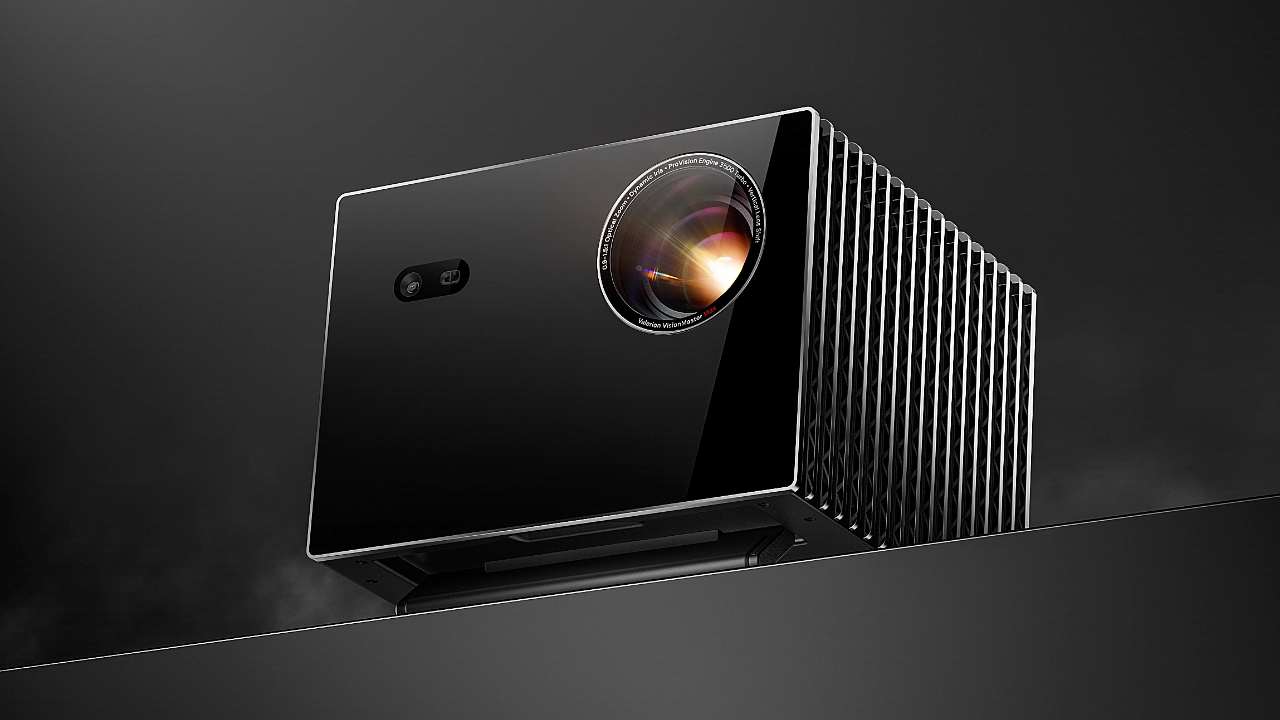
Due to its lens, the FP-ZUH6000 looks different than most fixed lens projectors. Despite its advanced optics and high brightness, the FP-ZUH6000 has a compact footprint and weighs just over 30 pounds. The build quality feels consistent with Fujifilm’s professional optical products. The chassis is surprisingly compact, measuring about 19.1” x 19.5” x 7.9” (486mm × 496mm × 175mm) and weighing roughly 38.6 pounds (17.5 kg) so it just as easy to transport and rigging as any 6000-lumen 4K installation focused projector.
The FP-ZUH6000 consists of a low-profile chassis that houses the light engine, power supply, and electronics, while the lens sits at the end of a vertical “periscope” arm. The lens barrel can rotate around the arm, and the arm can rotate relative to the chassis, allowing the projector to redirect its beam from wall to floor or ceiling without relocating the body. Fujifilm offers the projector in black and white versions so integrators can better blend it into different interiors.
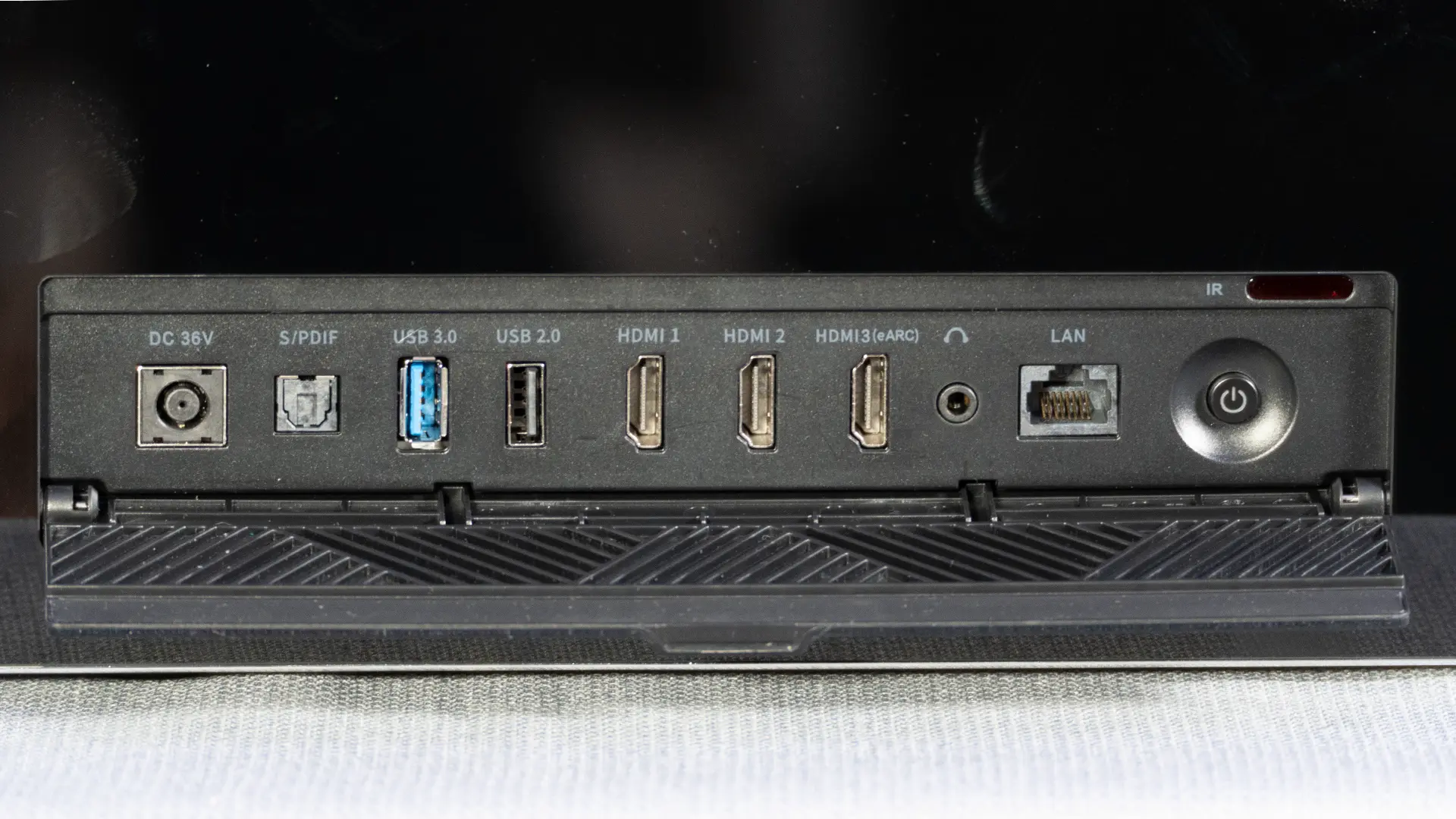
The connections and a control panel are located on the rear of the chassis. The FP-ZUH6000 has two HDMI 2.0 (HDCP 2.2 compliant) inputs and an HDMI 2.0 output for daisy-chaining or local monitoring. The projector also has an HDBaseT input that carries video, audio, and control over a single category cable up to 100 meters.
There is also a LAN port for networking, an RS-232C port for legacy control, a 3.5-millimeter stereo mini-jack audio output, and jacks for USB power and wired remote control. A 3-meter power cord and an IR remote are included in the box.
Although the projector lacks built-in Wi-Fi or smart streaming, that omission is unlikely to concern most professional integrators. In trade show and event environments, content is usually delivered from media servers, playback PCs, or dedicated media players, all of which can connect easily via HDMI or HDBaseT.
The chassis has been carefully designed with an airflow path to manage heat from the 650-watt power section and laser module, while keeping audible noise to a rated 36 dB in normal mode and 34 dB in eco mode. For trade show booths and galleries that are already acoustically lively, that relatively low noise level would be unnoticeable.
The FP-ZUH6000’s optical system is the main reason integrators will choose it over a conventional fixed-lens business projector. The projector's lens makes it one of the most install-friendly projectors on the market. Fujifilm is not a newcomer to optics. The company has been manufacturing photographic film for more than ninety years and has spent decades designing lenses for broadcast, cinema, and industrial applications under the Fujinon brand.
Fujifilm says the folded lens system in the Z-series is the result of roughly 30 years of projector lens design experience, culminating in compact lens barrels that maintain high-resolution performance even when rotated in multiple directions. The FP-ZUH6000’s lens is a direct beneficiary of this expertise. The front group uses a wide-diameter aspherical element ground to extremely tight tolerances, which is critical for achieving an ultra-short throw ratio without introducing excessive distortion or chromatic aberration.
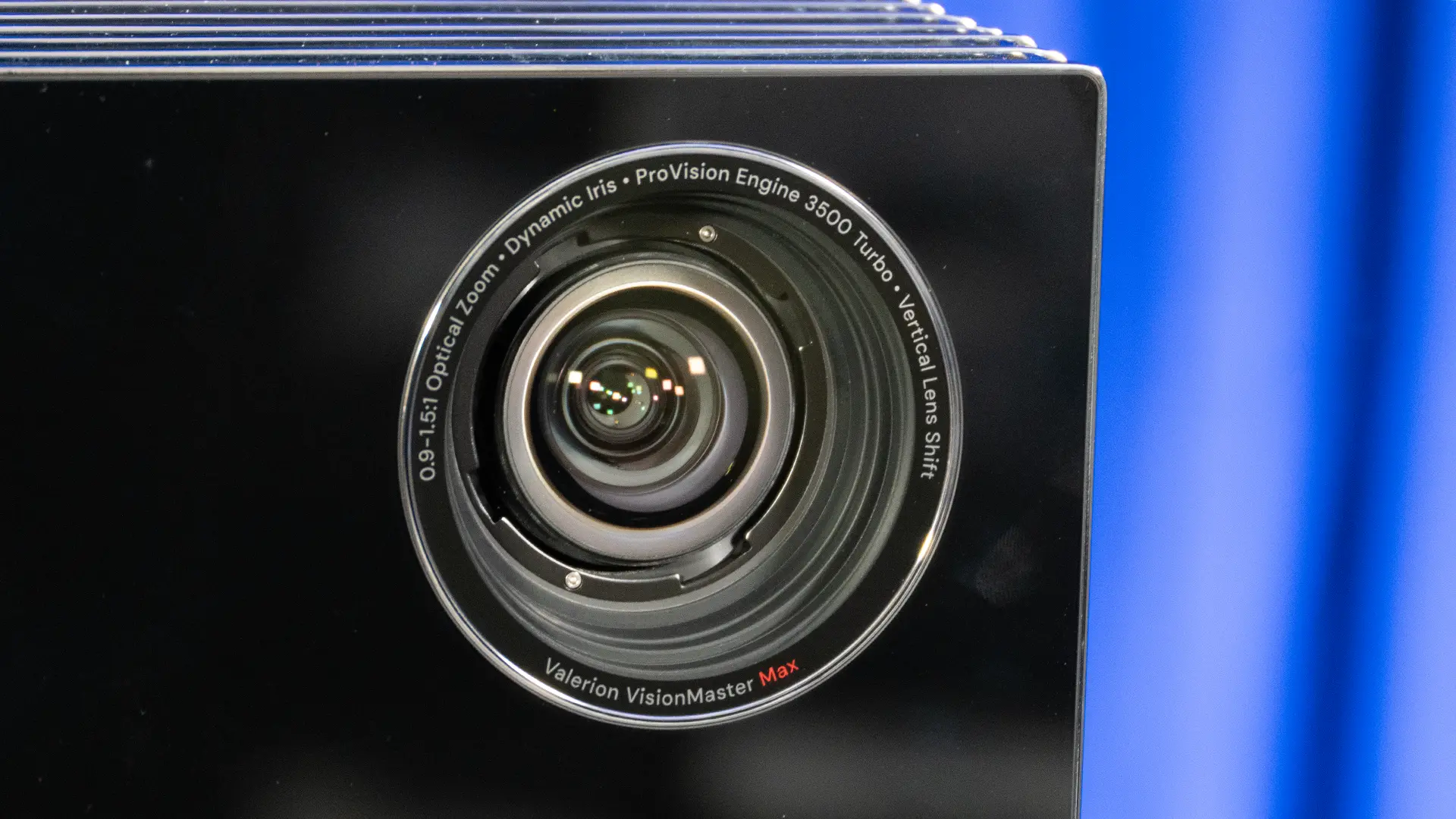
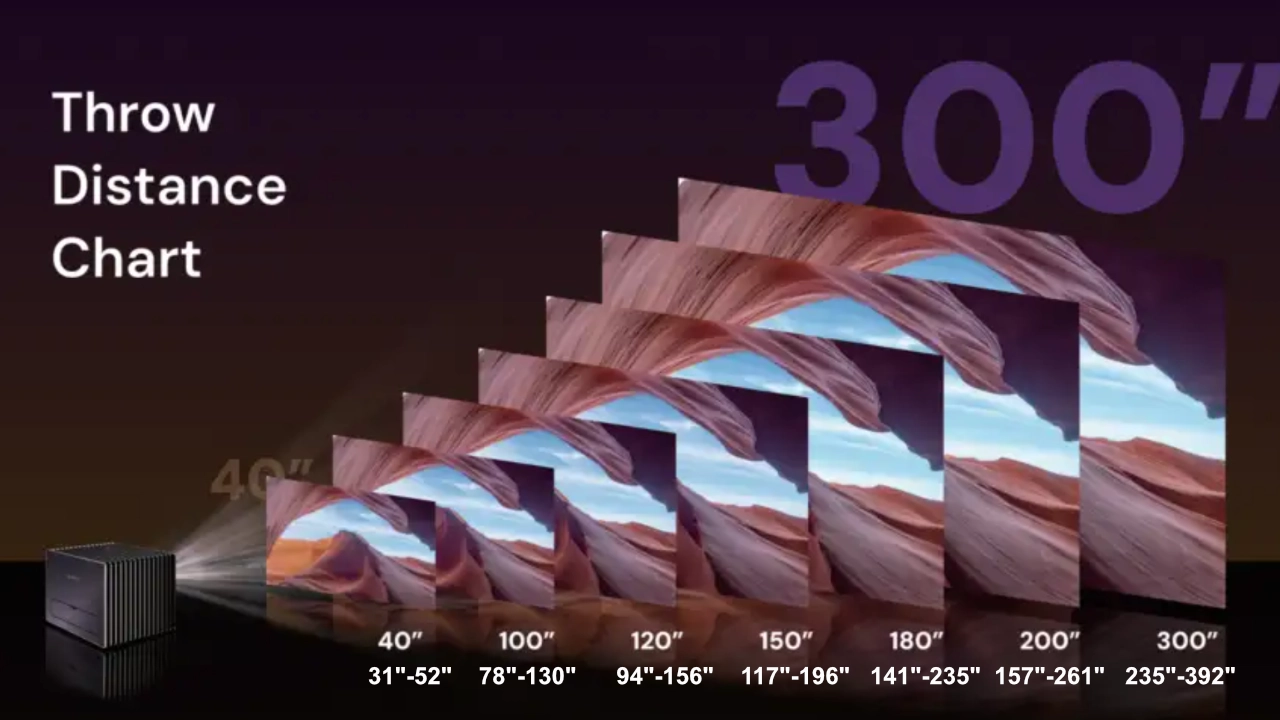
The two-axis rotatable motorized Fujinon lens delivers an ultra-short 0.34–0.37 throw ratio, meaning the throw distance is roughly one-third of the image width. In practical terms, the projector can create a 100-inch 16:9 image from approximately 0.75 to 0.82 meters (about 2.5 to 2.7 feet) away from the screen surface.
The FP-ZUH6000 offers significant horizontal and vertical lens shift (V ±85%, H ±36%). This is far beyond what is typical for an ultra-short-throw design and competitive with some long-throw interchangeable lenses. This expansive shift range allows integrators to position the projector significantly above or below the screen, or off to the side, while keeping the image rectangular without resorting to excessive digital keystone correction.
Even at 200 inches, the projector requires roughly 5 to 5.5 feet of throw distance, ideal for compact booths and immersive rooms where space is at a premium.
Screen Size (Diagonal) | Throw Distance Range (ft) |
100 inches | 2.47–2.69 |
120 inches | 2.96–3.22 |
150 inches | 3.70–4.03 |
180 inches | 4.45–4.84 |
200 inches | 4.94–5.37 |
250 inches | 6.17–6.72 |
Because the lens and mount are rotatable, the FP-ZUH6000 can also be installed in portrait orientation or tilted in various ways while maintaining proper focus and geometry. The FP-ZUH6000 offers a wide range of mounting configurations. The body can be laid flat, mounted on its side, or recessed into ceilings and walls, leaving only the lens housing visible. This flexibility enables the creation of projection-mapped surfaces and immersive walk-through environments without cluttering the space with visible hardware or obstructing visitor paths.
Ultra-short-throw lenses let you project a large image from a projector placed very close to the screen. However, these types of projectors can be difficult to set up. Aligning the image to the screen normally requires small adjustments to the projector's position and is often time-consuming. If you can't place a UST projector in the ideal position, users usually have to resort to digital Keystone correction, which is convenient but sacrifices resolution. Even with digital Keystone correction, the placement of most UST projectors remains fairly limited compared to traditional install projectors.
Due to its lens, the FP-ZUH6000 is one of the most install-friendly projectors on the market. In addition to being ultra short-throw, the lens offers motorized zoom and horizontal/vertical lens shift. Normally, when setting up an ultra-short-throw projector in my room, I have to spend several minutes adjusting the height of my stand and making super-fine adjustments to the projector to get it aligned with my screen. It only took a couple of minutes to setup theFP-ZUH6000.
I placed the FP-ZUH6000 within the proper throw range for my screen size, turned the unit on, and used the projector's zoom and horizontal/vertical lens shift features to align it, just like I would with a long-throw projector. I positioned the lens to fire forward, but I wanted the body projector to be closer to the screen. I could place the lens in its snorkel position, facing backwards.
The FP-ZUH6000 menu system is well laid out and contains a wide range of picture adjustments. While the text is small, it is still easily readable at a distance. The FP-ZUH6000 also includes all the features you would expect in an installation-focused business projector. The projector includes keystone correction along with dedicated warping and blending tools, which further simplify complex installations. Fujifilm’s software enables curvature adjustments in both horizontal and vertical directions, as well as convex and concave corrections, which are essential when projecting onto domes, cylinders, or irregular architectural surfaces.
The FP-ZUH6000 also supports edge blending, allowing multiple projectors to be combined into a single seamless image. These capabilities allow integrators to design multi-surface environments without relying solely on external processors. For very complex setups, external video processing will still provide the highest level of control, but having robust onboard warping and blending reduces both cost and setup time, particularly for smaller installations. At the Fujifilm Booth at InfoComm 2025, eight FP-ZUH-series projectors filled the walls, floor, and ceiling of an enclosed room, with content powered by specialized immersive software from Igloo Vision.
While the FP-ZUH6000 has an extensive on-screen menu, it also supports Web Control. Once the projector is connected to the same network as your computer or tablet via an Ethernet cable, entering the projector’s web address in your browser will open the web control screen. While this feature works well, it would be nice if the FP-ZUH6000 supported Wi-Fi to enable wireless control.
Using the PJLink protocol, integrators can manage multiple FP-ZH6000 projectors from a central control system and monitor their status, as well as remotely schedule power or input changes.
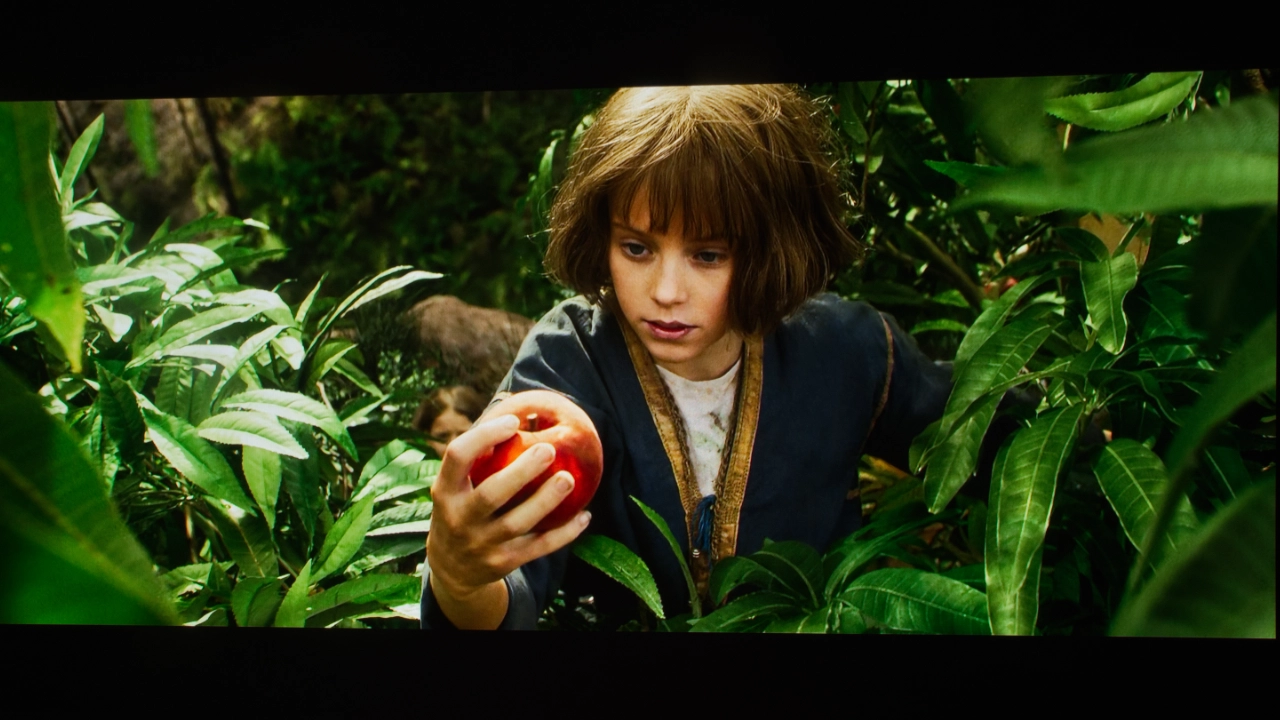
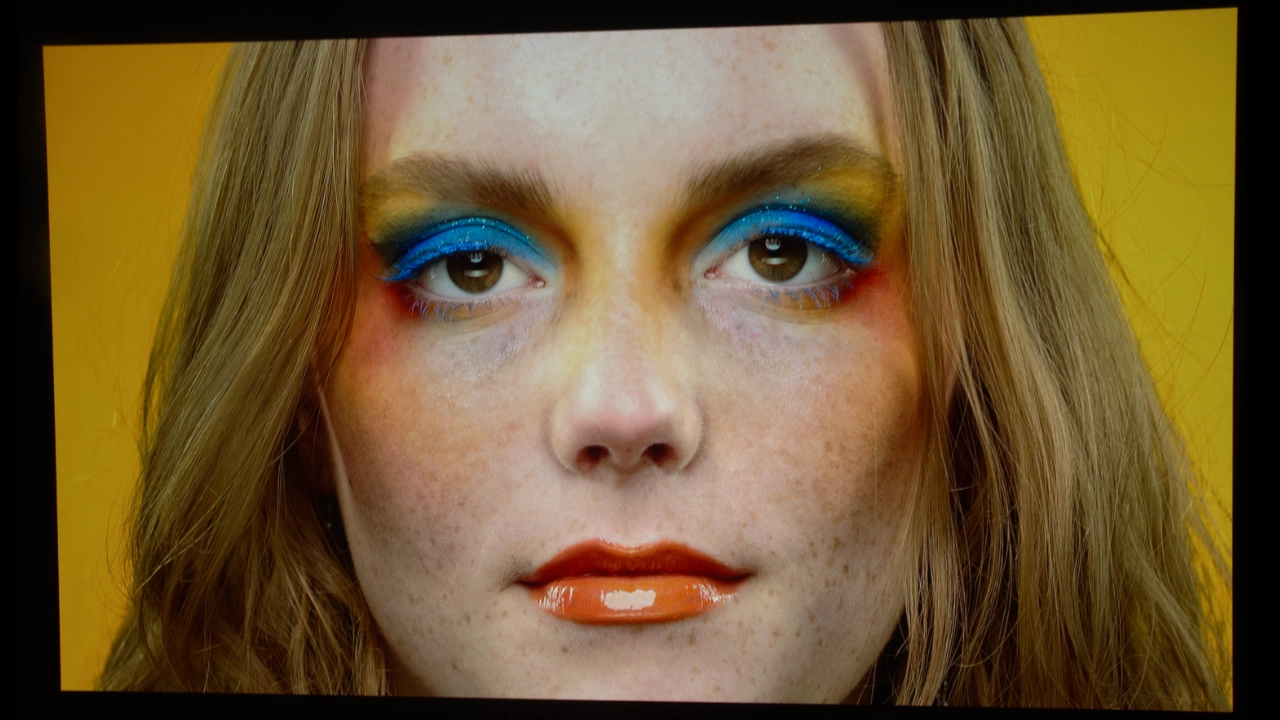
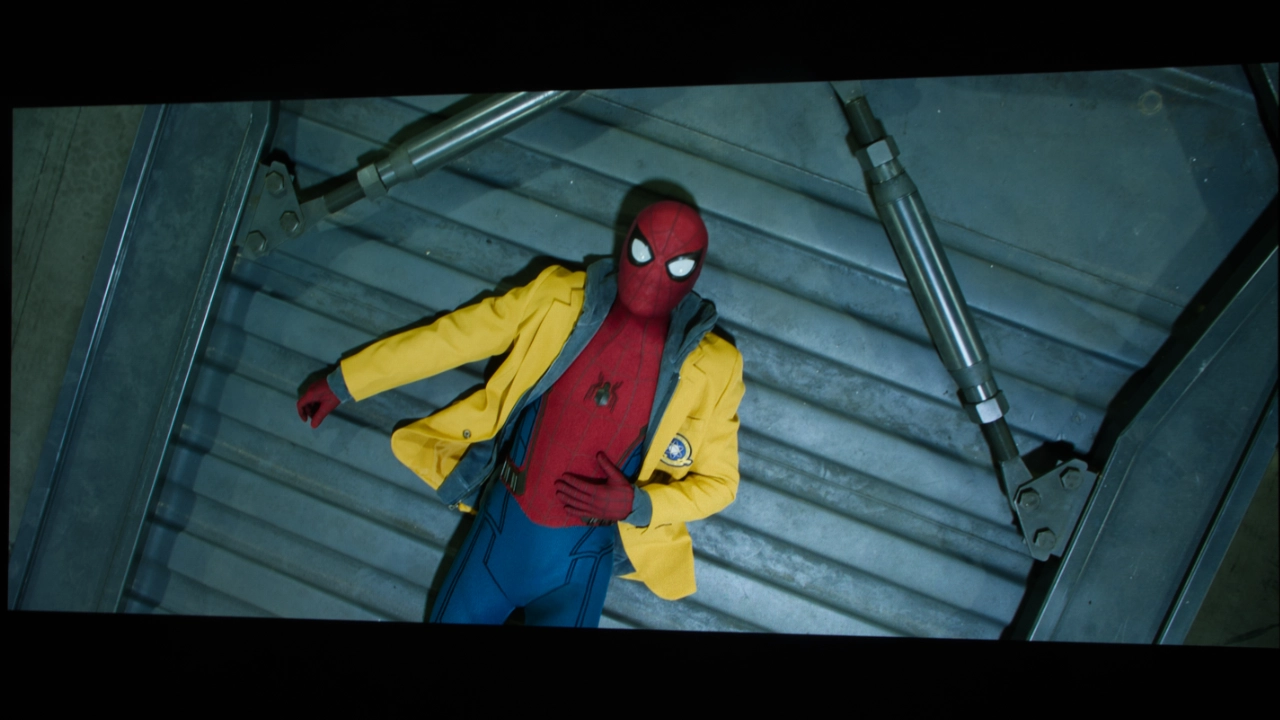
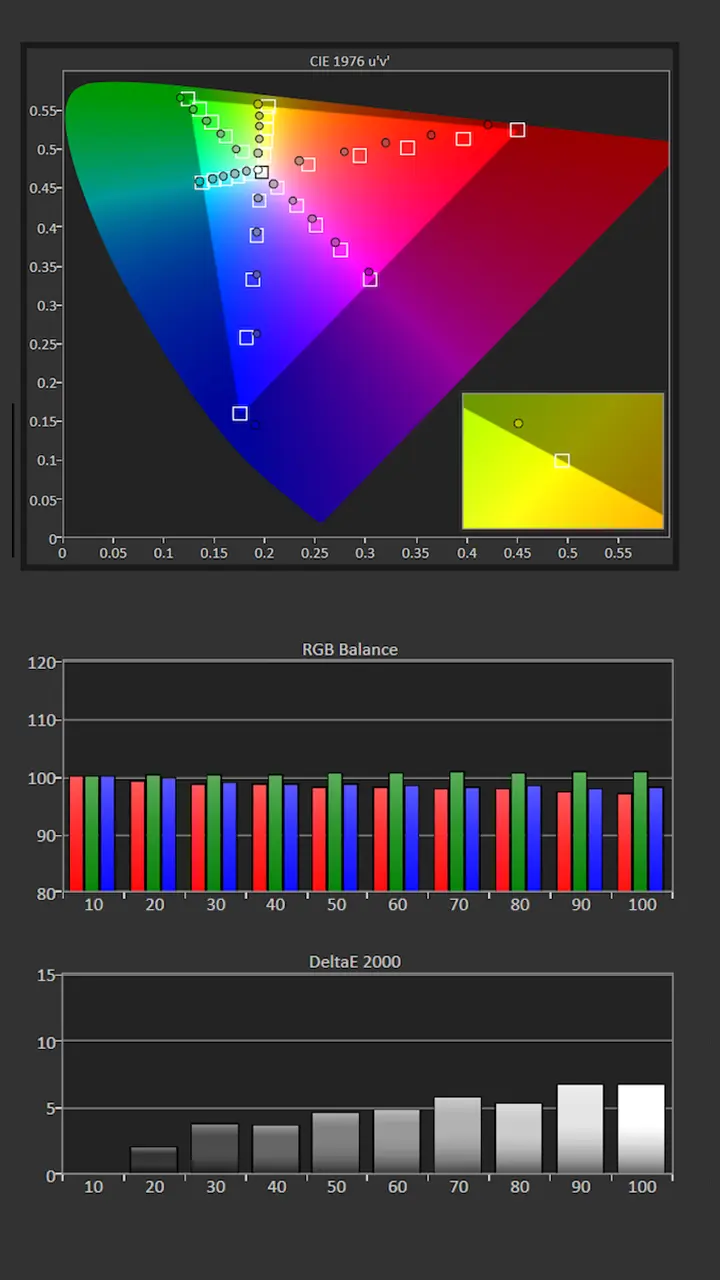
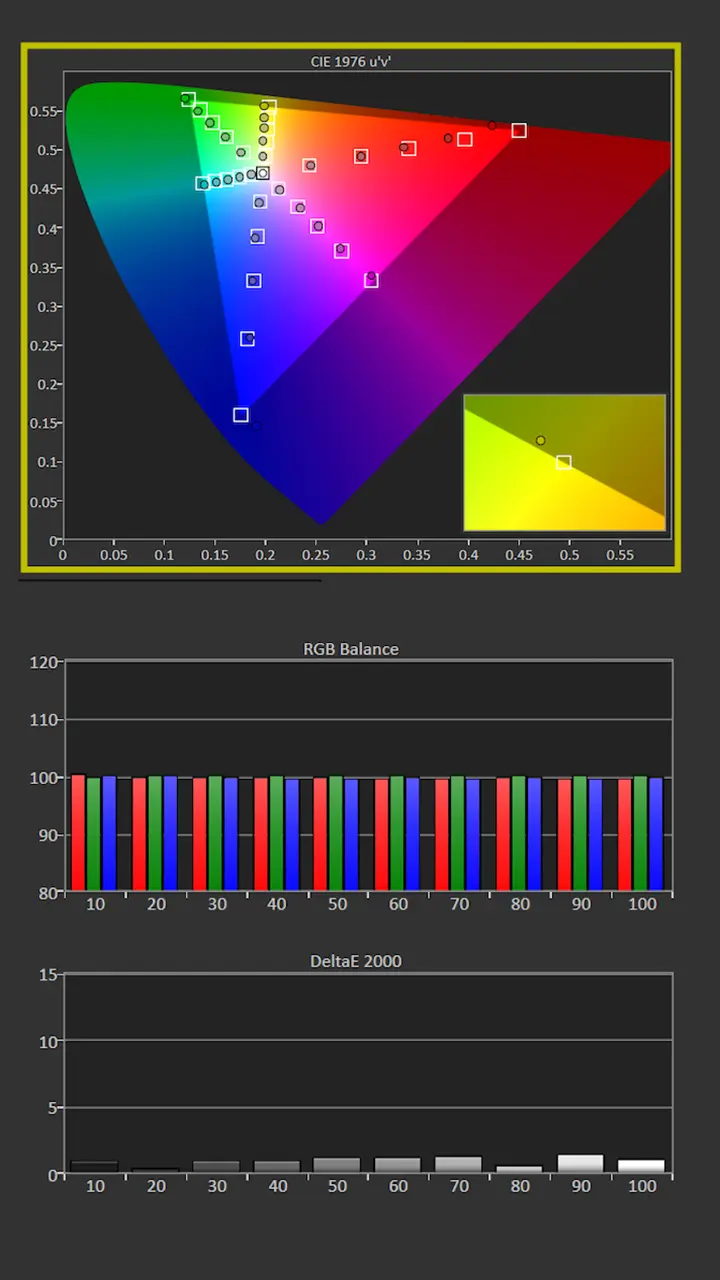
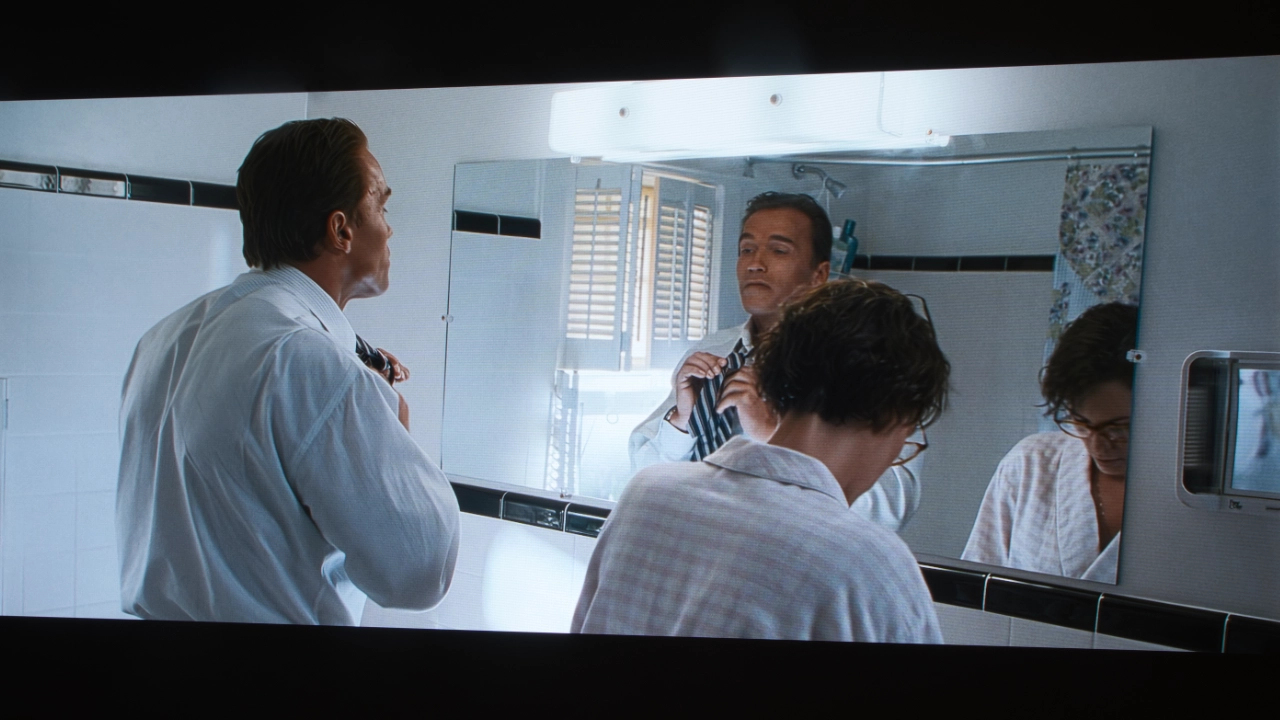
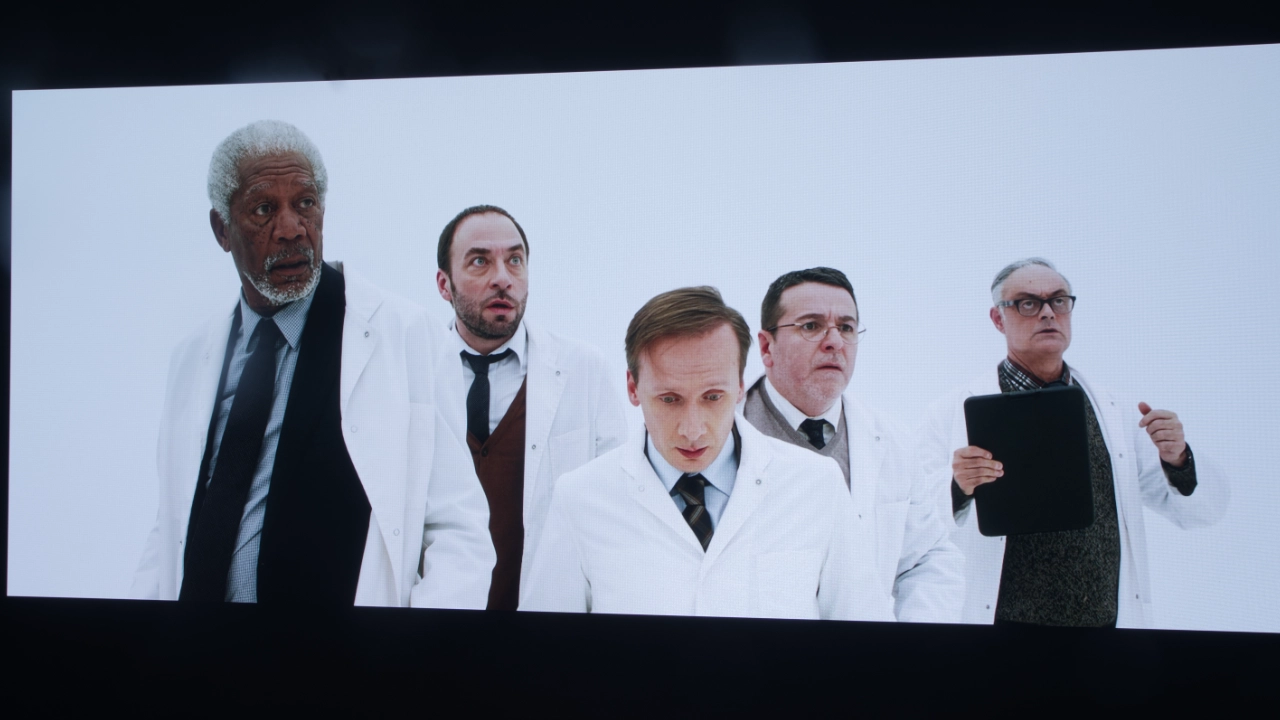
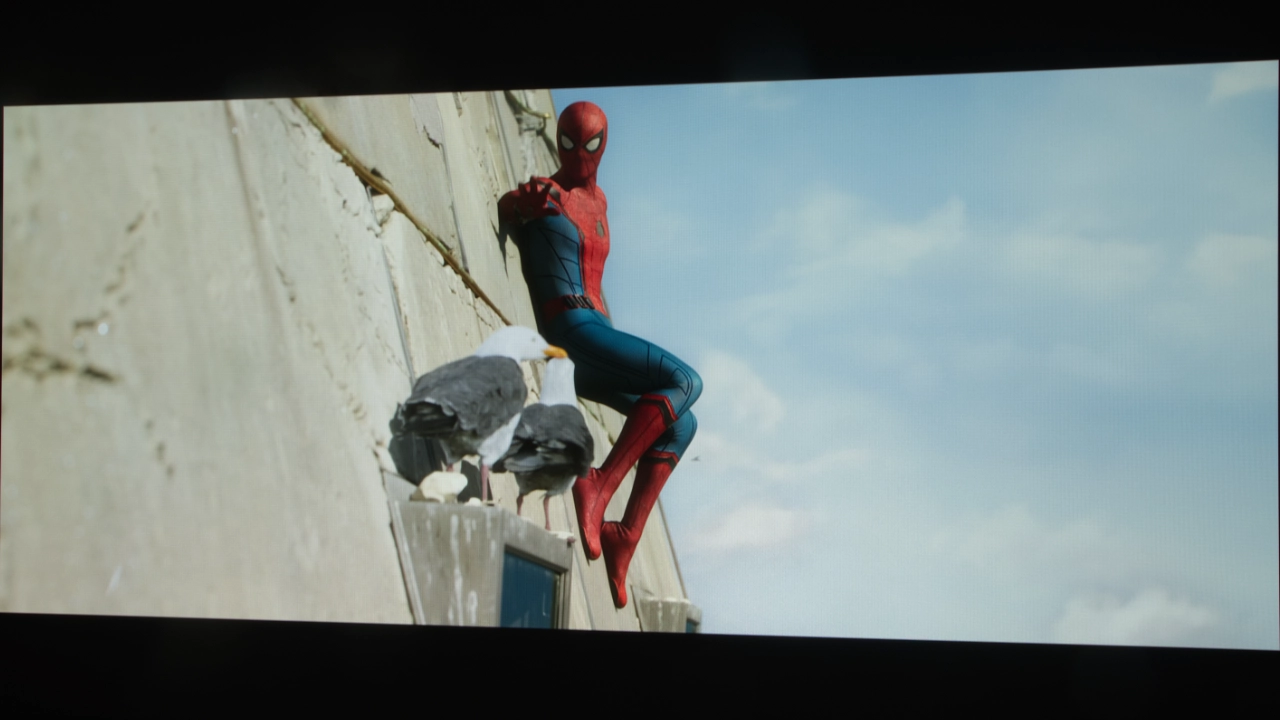
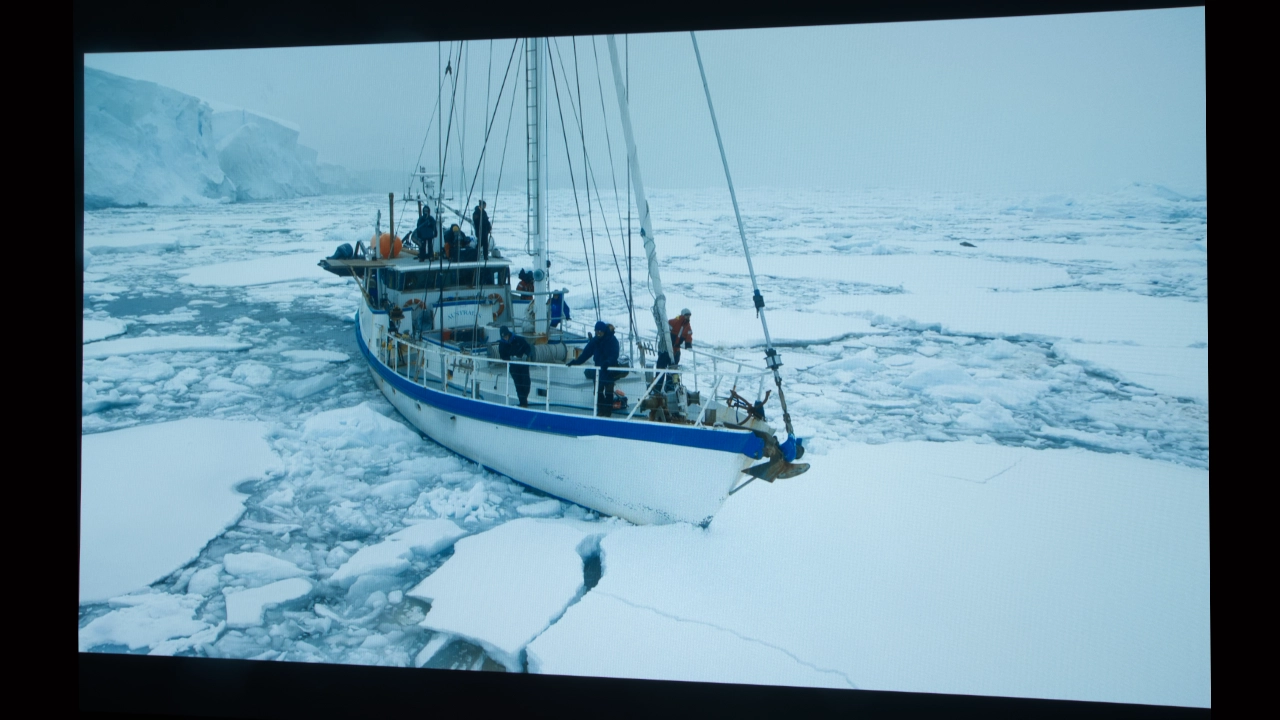
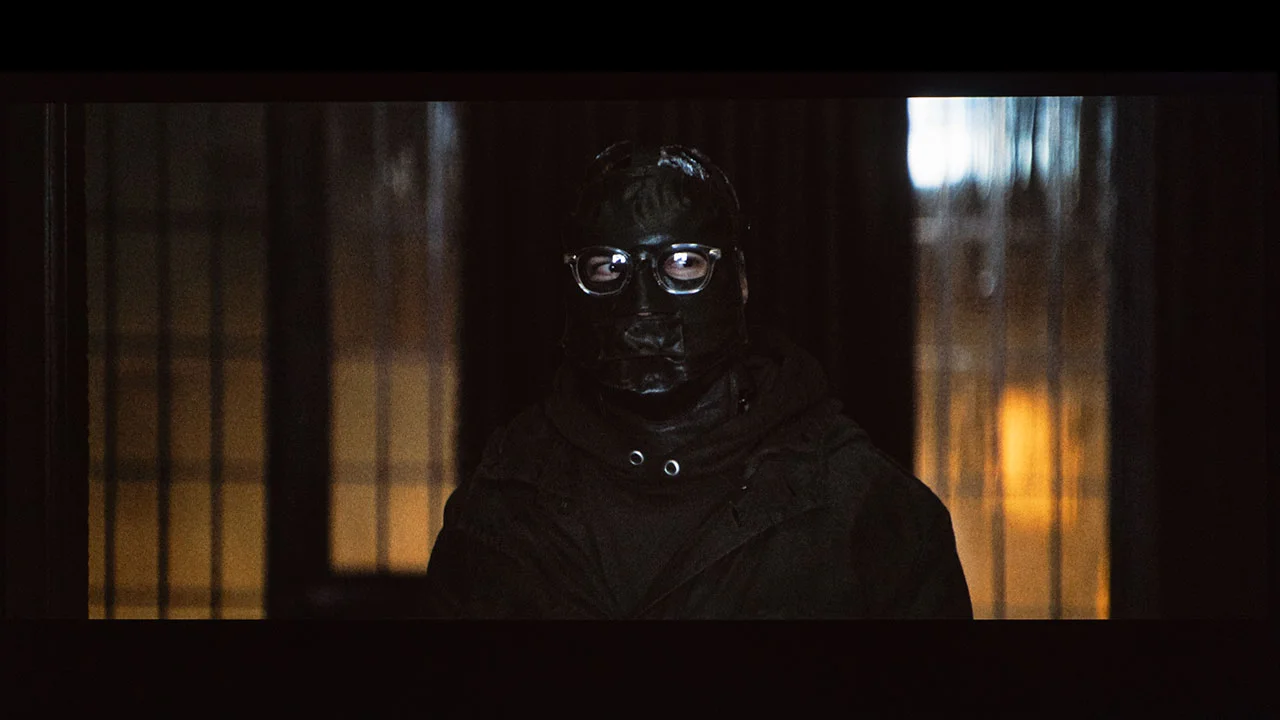
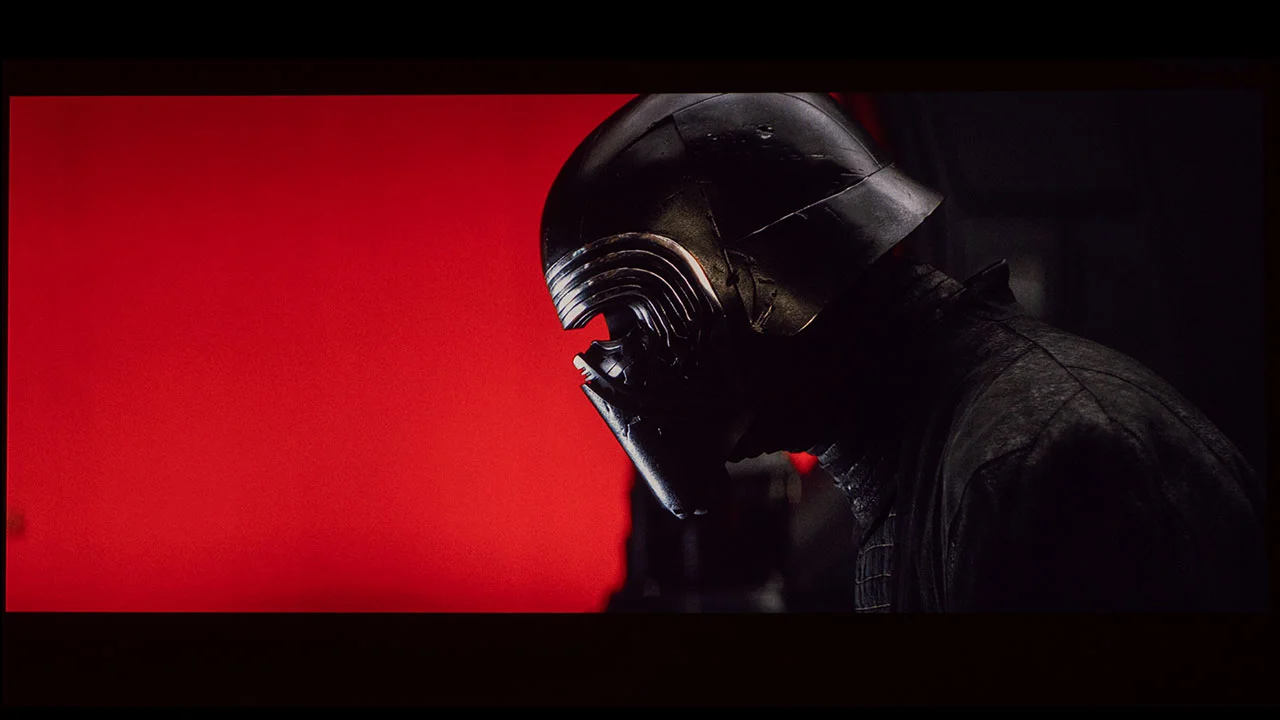
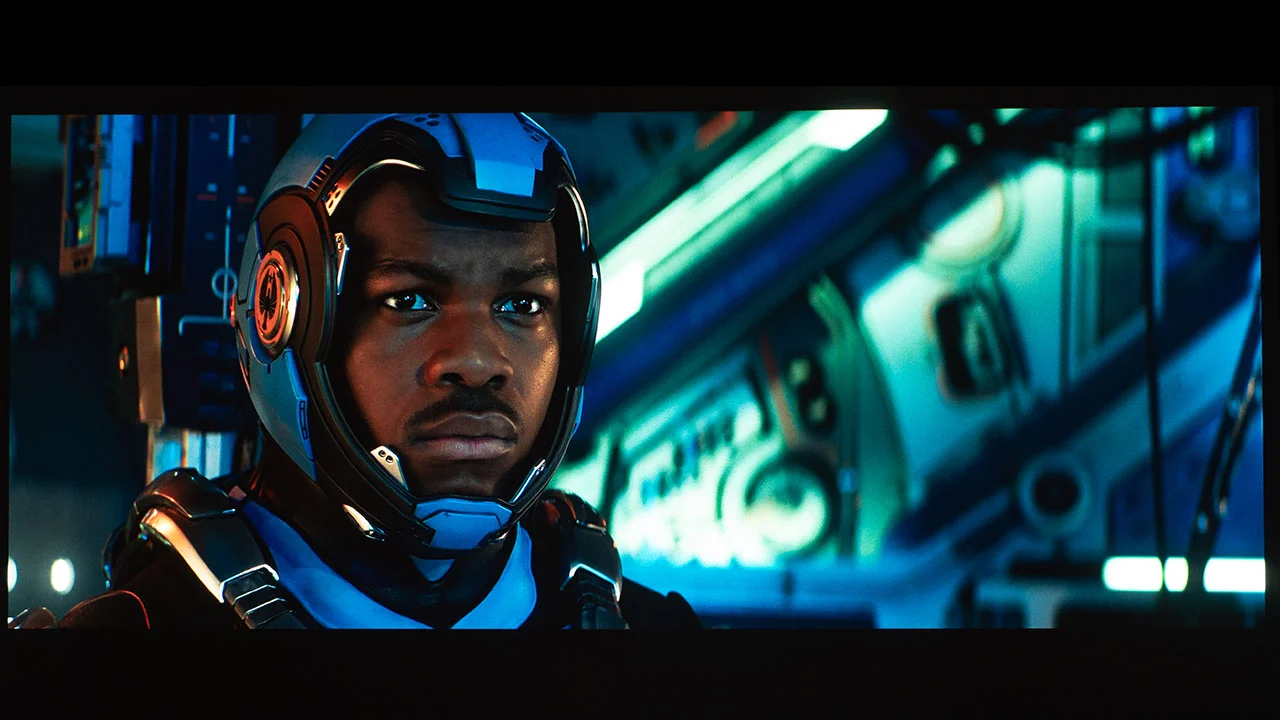
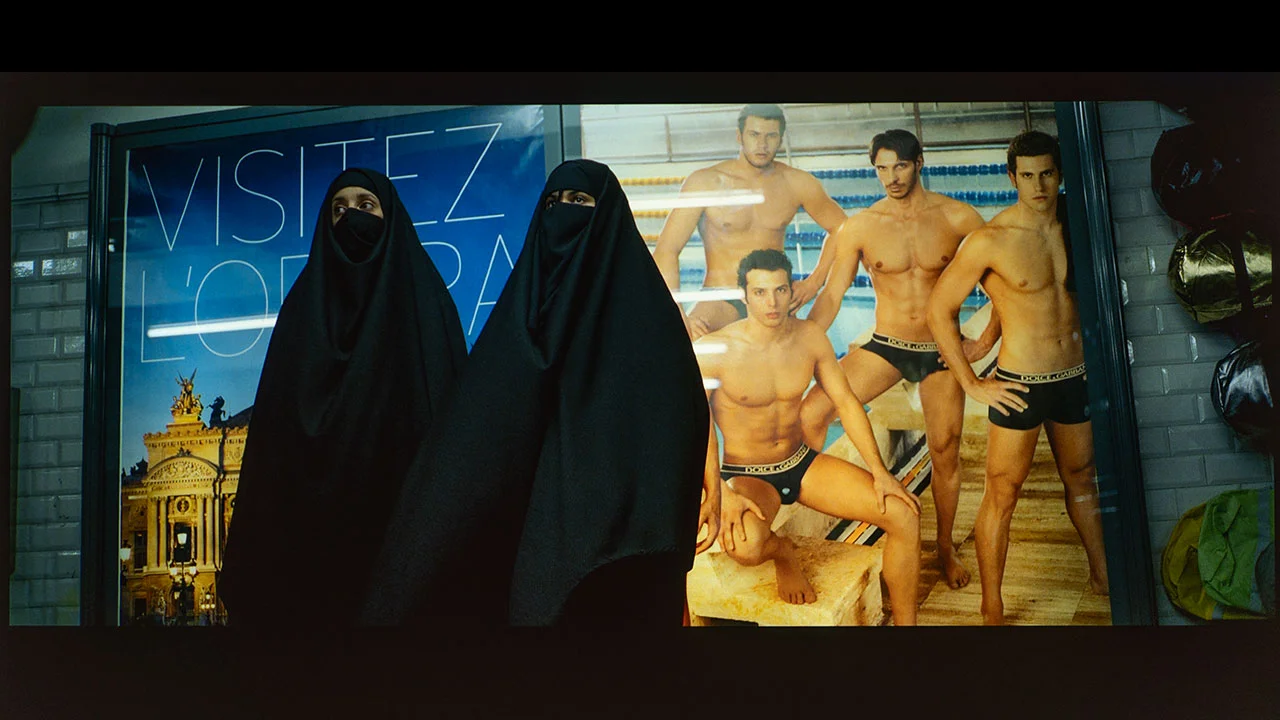
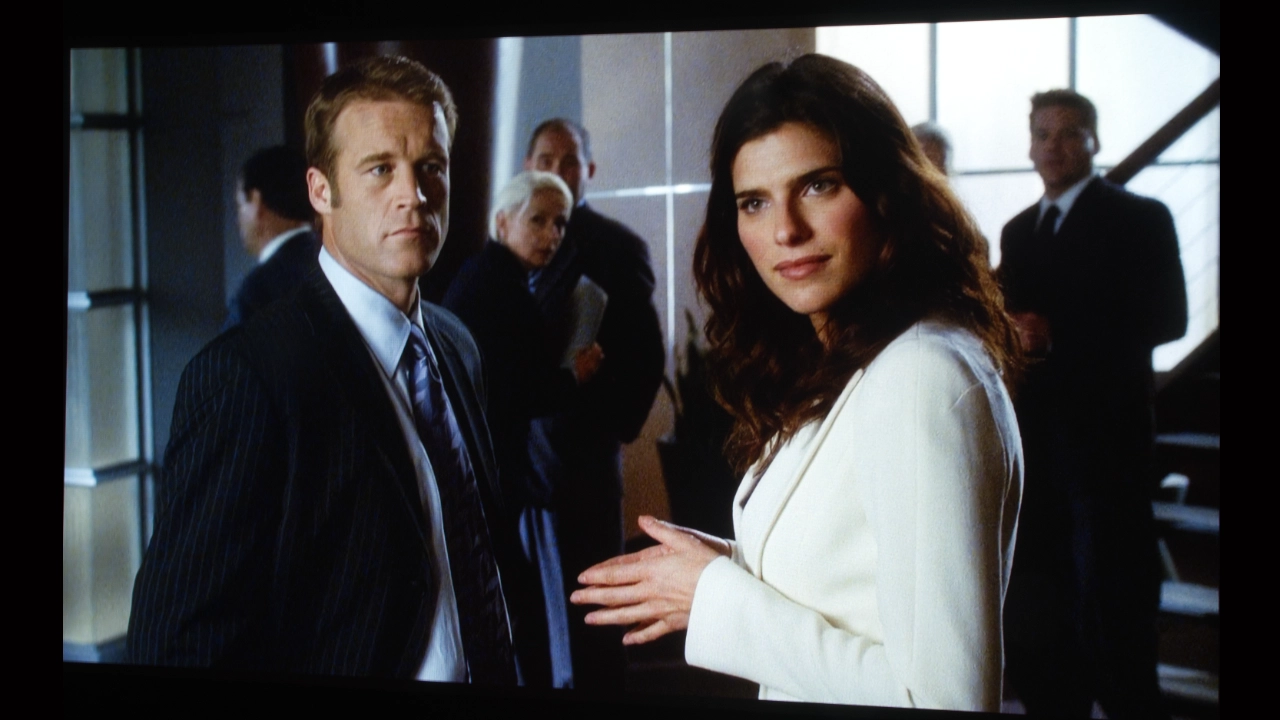
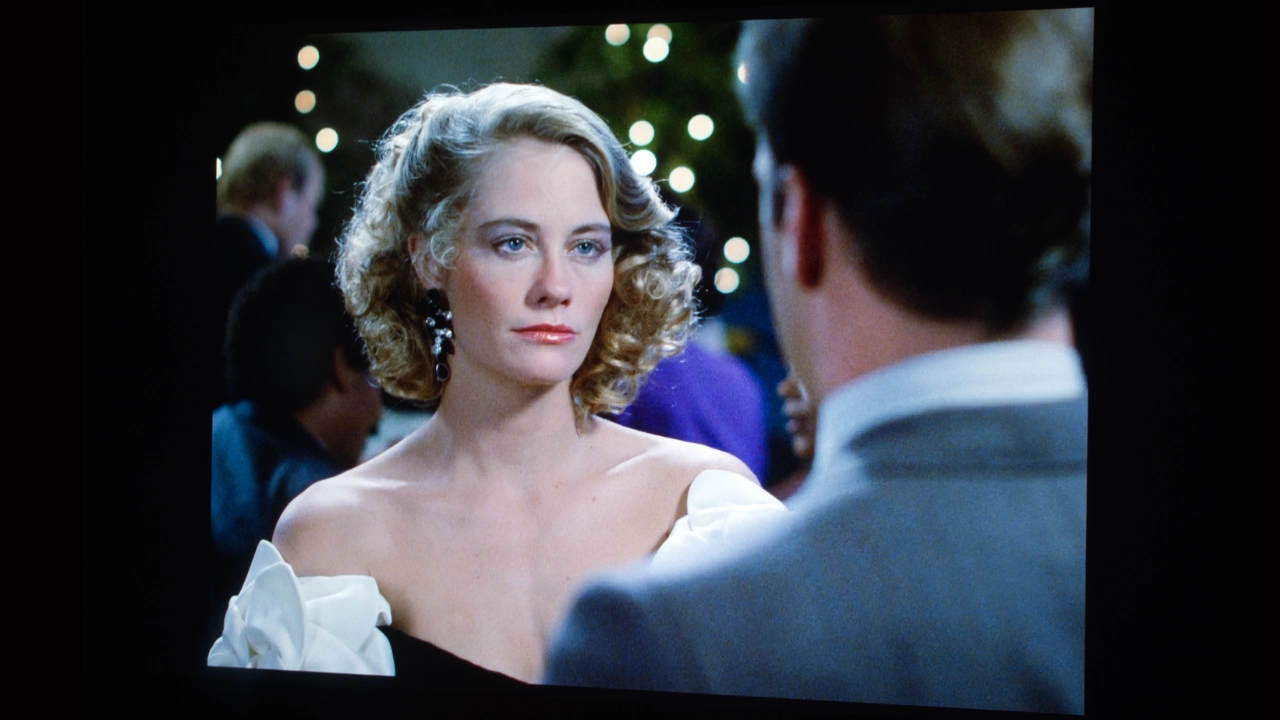
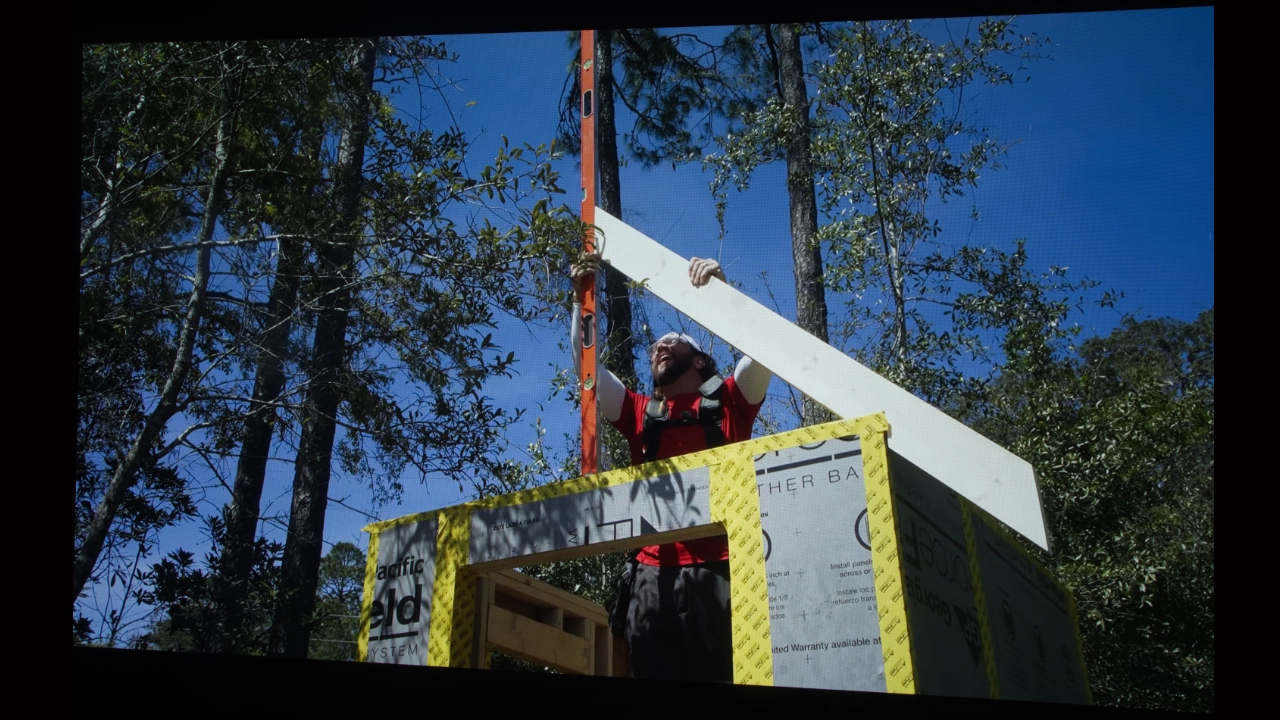
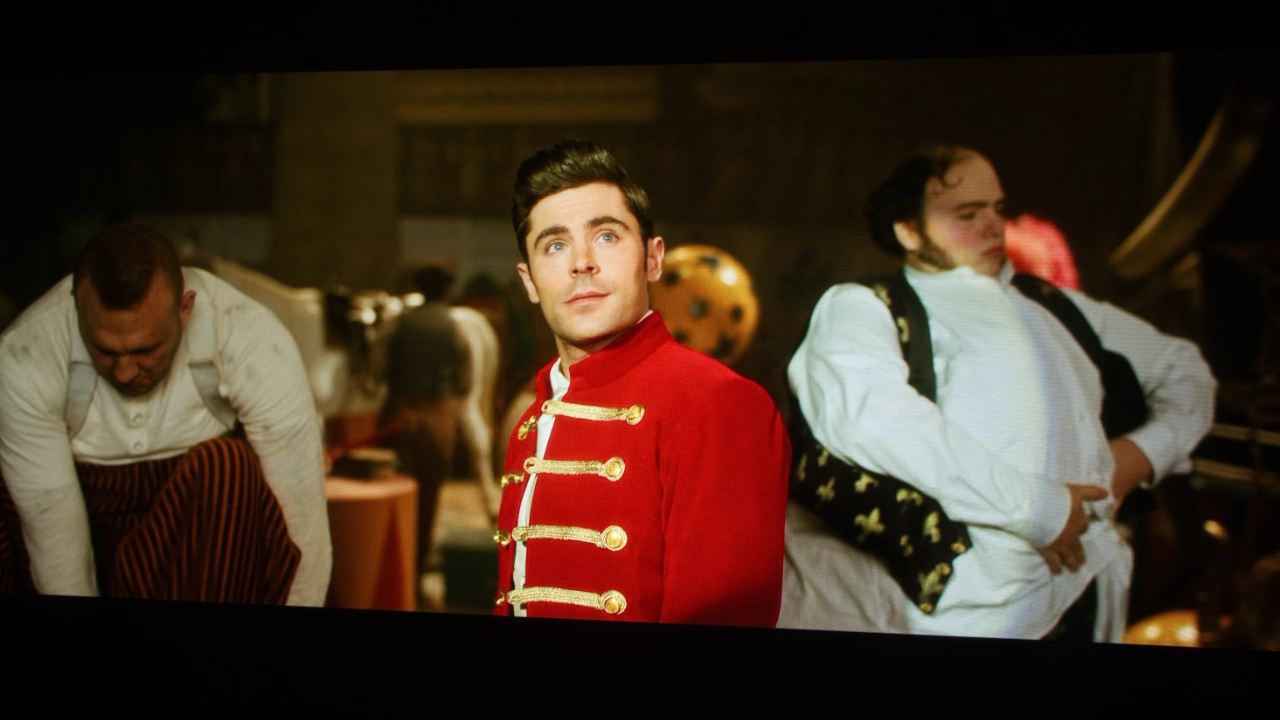
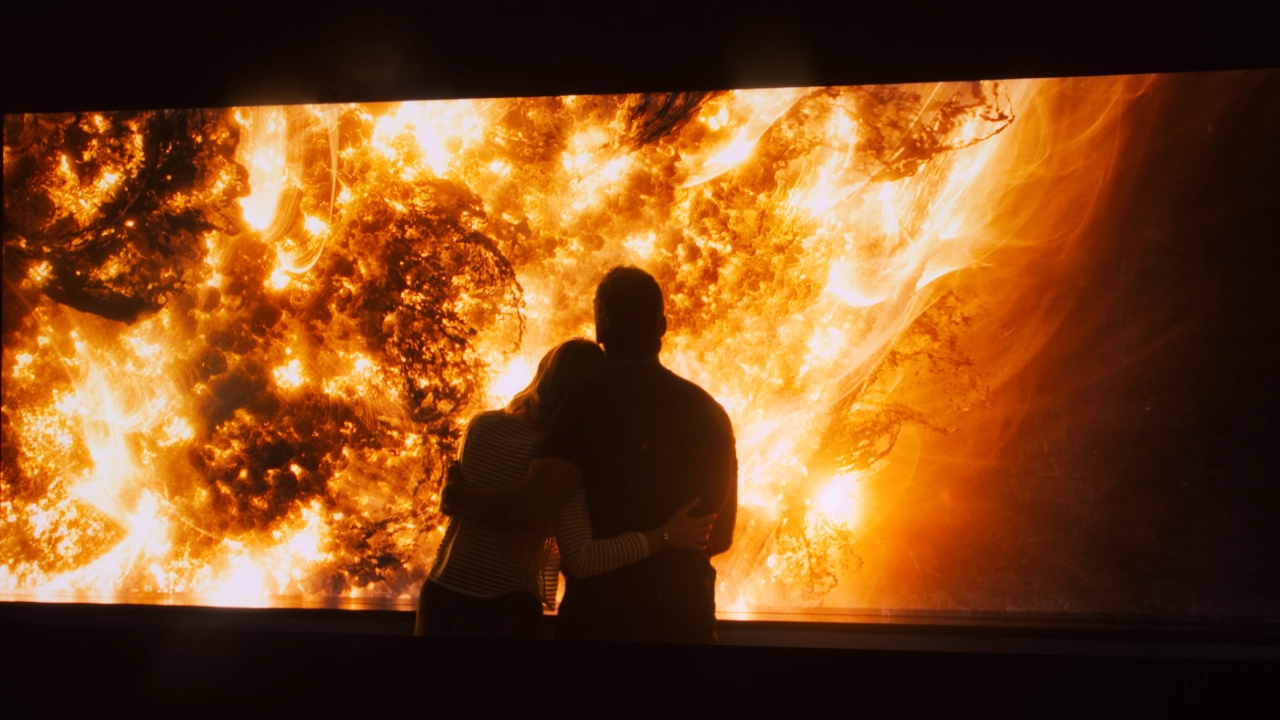
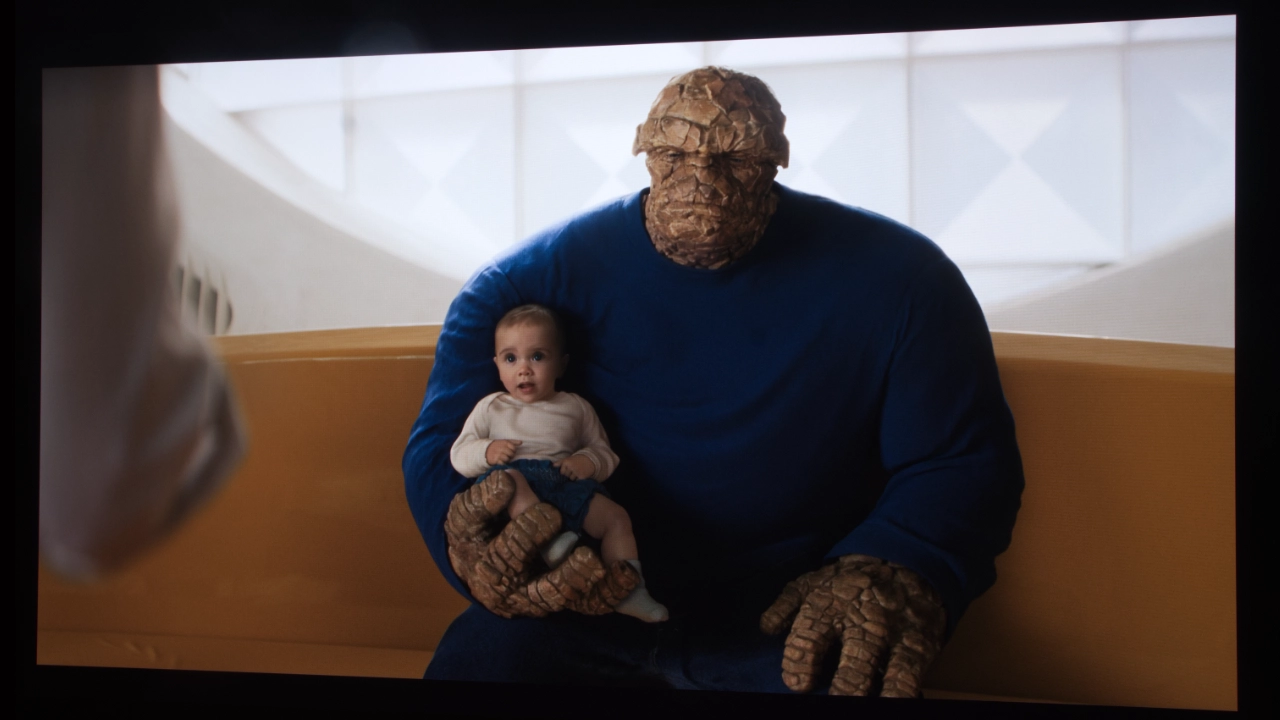
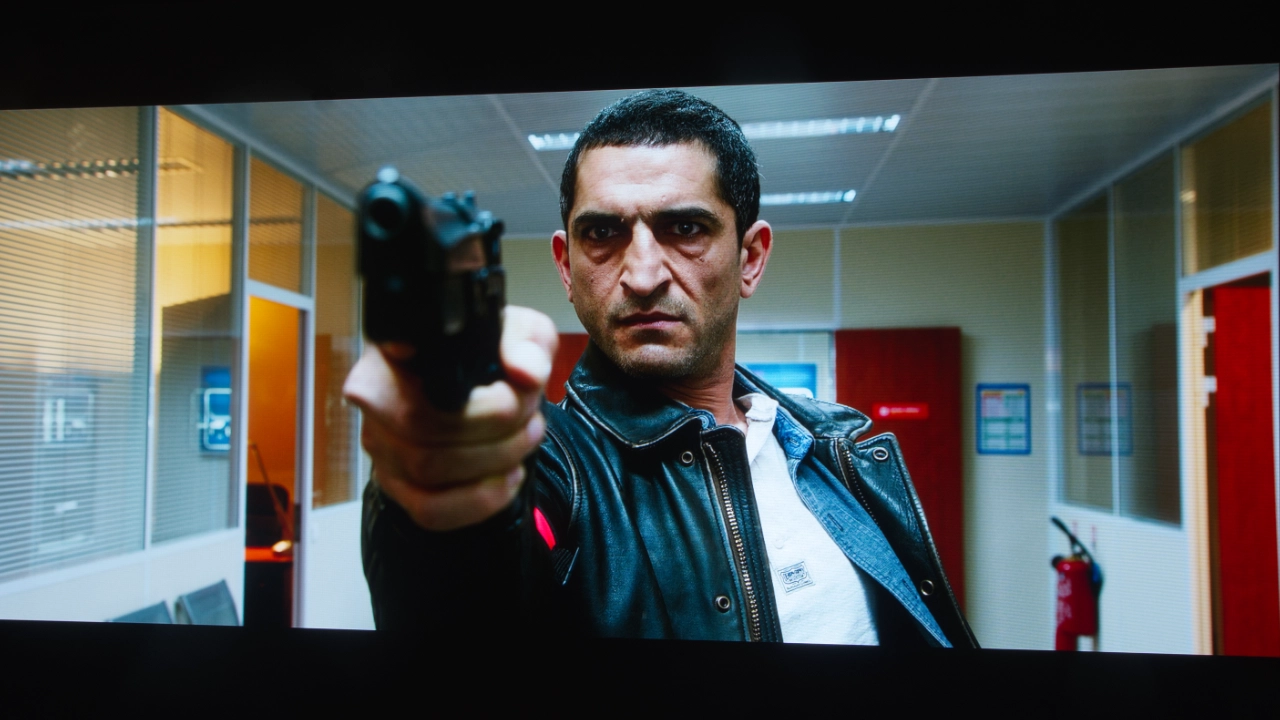
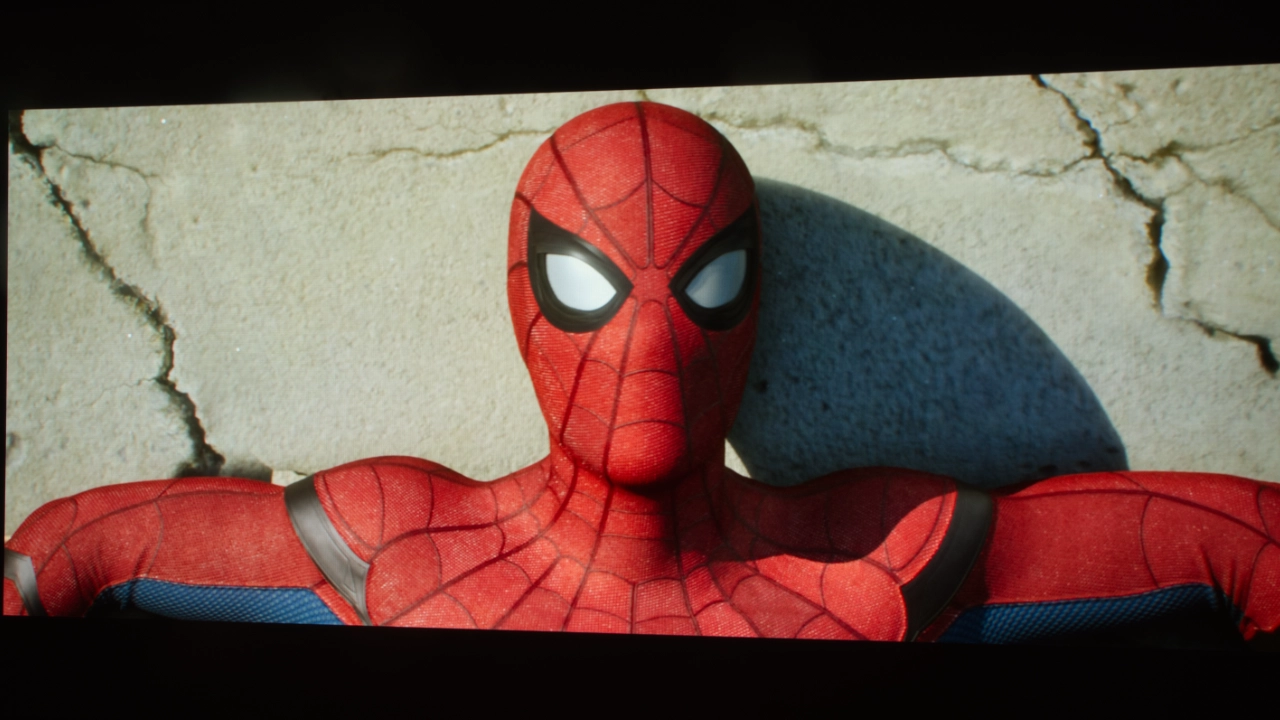
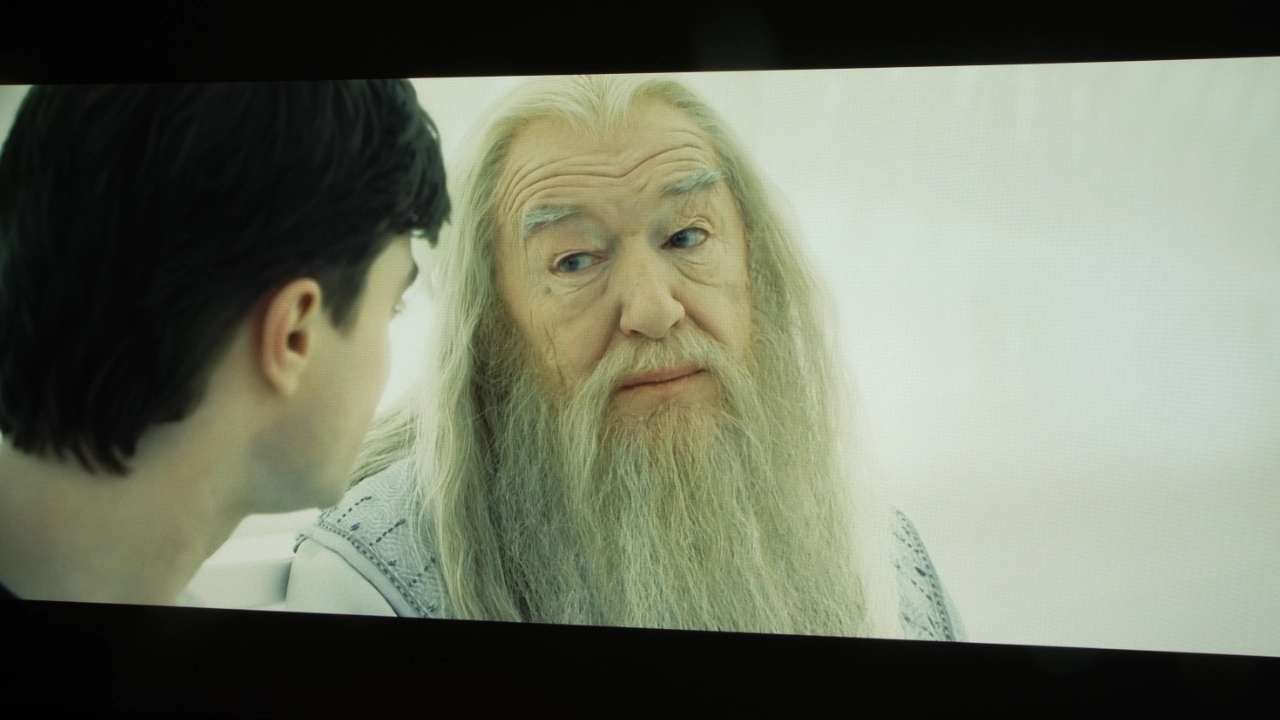
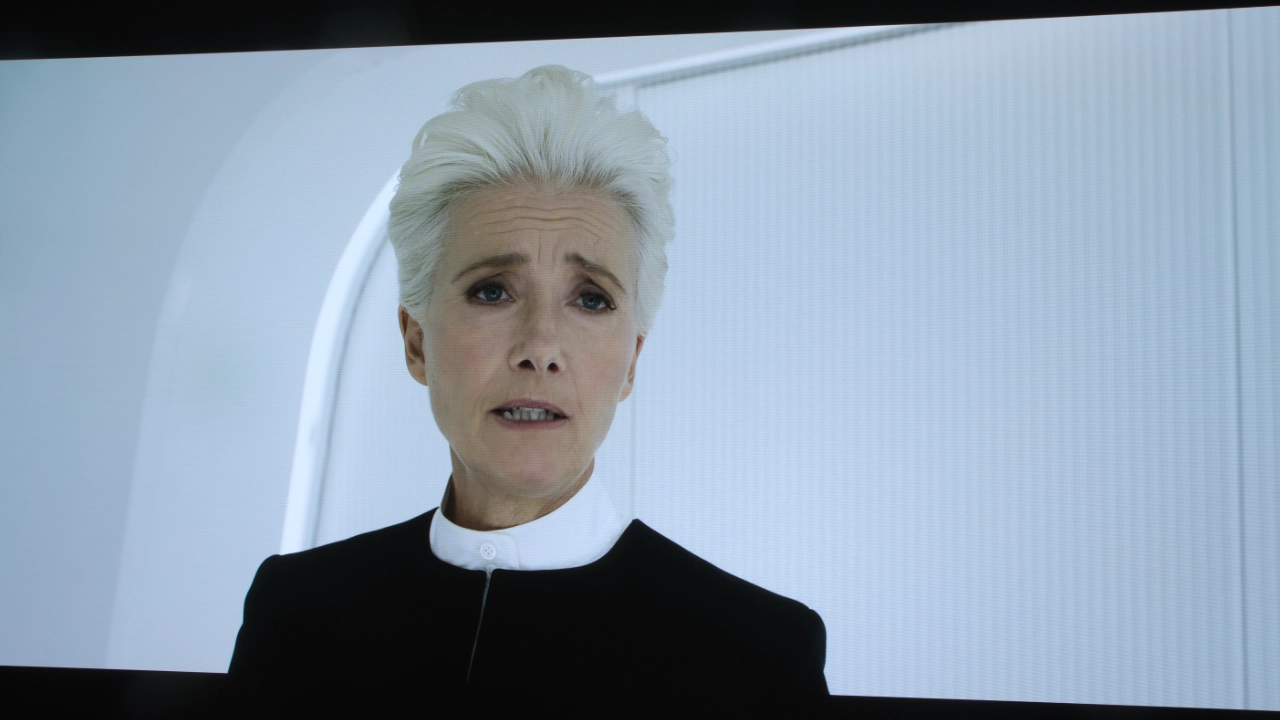
The screenshots above are test images intended only to provide a rough idea of the color accuracy of this projector. Color accuracy of a DLP projector like FP-ZUH6000 is usually better when an image is viewed in person rather than in photos.
The projector includes several preset picture modes. The Film Simulation modes were designed to emulate the look of classic Fujifilm film stocks. For example, the VELVIA (VIVID) mode produces deeply saturated imagery ideal for nature footage and high-impact brand visuals. The ETERNA (CINEMA) offers a more restrained, cinematic palette suited to narrative content and art installations.
Additionally, the FP-ZUH6000 supports loading external 3D LUTs, allowing colorists and system designers to precisely align the projector with a chosen color space or creative look. Because these looks are computed within the projector, content creators can preview their intended aesthetic without baking it into the source media irreversibly.
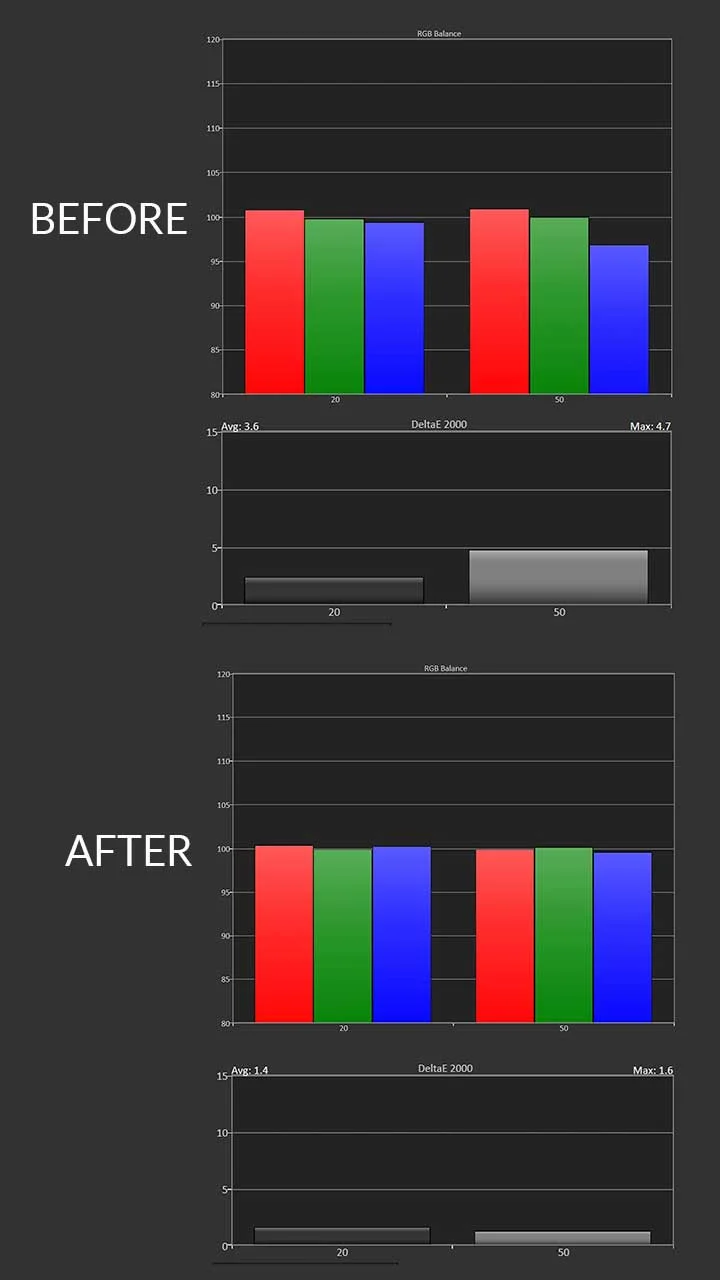
When viewing SDR content, BRIGHT mode looked the best. While the ETERNA (CINEMA) and PROVIA (STANDARD) modes looked good, they both showed a red push, visible in the darker sections of my greyscale test pattern. When set to its BRIGHT mode, the projector is too bright to comfortably watch SDR on my 120" screen, in my dark space, so I set the lamp power to ECO. However, on a larger screen or under ambient light, the extra brightness would be beneficial.
The FP-ZUH6000 delivers good color reproduction and includes a wide array of color controls, including Color Temperature, Gamma, White Balance, and multi-color tuning. When viewing SDR, the default color saturation was a little low. Increasing its Color setting slightly made colors look more vibrant without losing their lifelike quality. I also dropped the gamma to about 2.4 to improve the black level in my dark space.
Since your room and screen material significantly impact the overall picture, we don’t recommend using someone else's calibration adjustments. If your room is brighter or darker or your walls are a different color, copying someone else's results can cause more harm than good. If you would like to make some quick adjustments to improve the picture quality of your projector in your room, check out our video called Optimize The Image of a Projector or TV Using Free Murideo Test Patterns
The Fujifilm FP-ZUH6000 has a rated brightness of 6000 lumens. To get a good estimate of the projector’s brightness, I set it to its brightest mode (BRIGHT) and then took three to four readings about 15-20% from the center of the screen.
The FP-ZUH6000 measured 6049 lumens, which matches Fujifilm’s brightness claim. Below is a chart showing the brightness of each of the projector’s preset SDR picture modes.
Picture Mode | Brightness (lumens | Average Color Temperature |
Bright | 6049 | 7708K |
Standard [PROVIA] | 4430 | 6594K |
Vivid [Velvia] | 4506 | 6646K |
Cinema [ETERNA] | 4387 | 6743K |
Multi Projection | 4523 | 6652K |
Due to its high brightness, the FP-ZUH6000 is well-suited for very large screens in museums, conference rooms, and trade shows. Even on matte-white screens larger than 300 inches, the FP-ZUH6000 can maintain a bright image in some ambient light. At full power, the laser light source has a rated lifespan of up to 20,000 hours, but reducing the laser light output can extend the unit's life
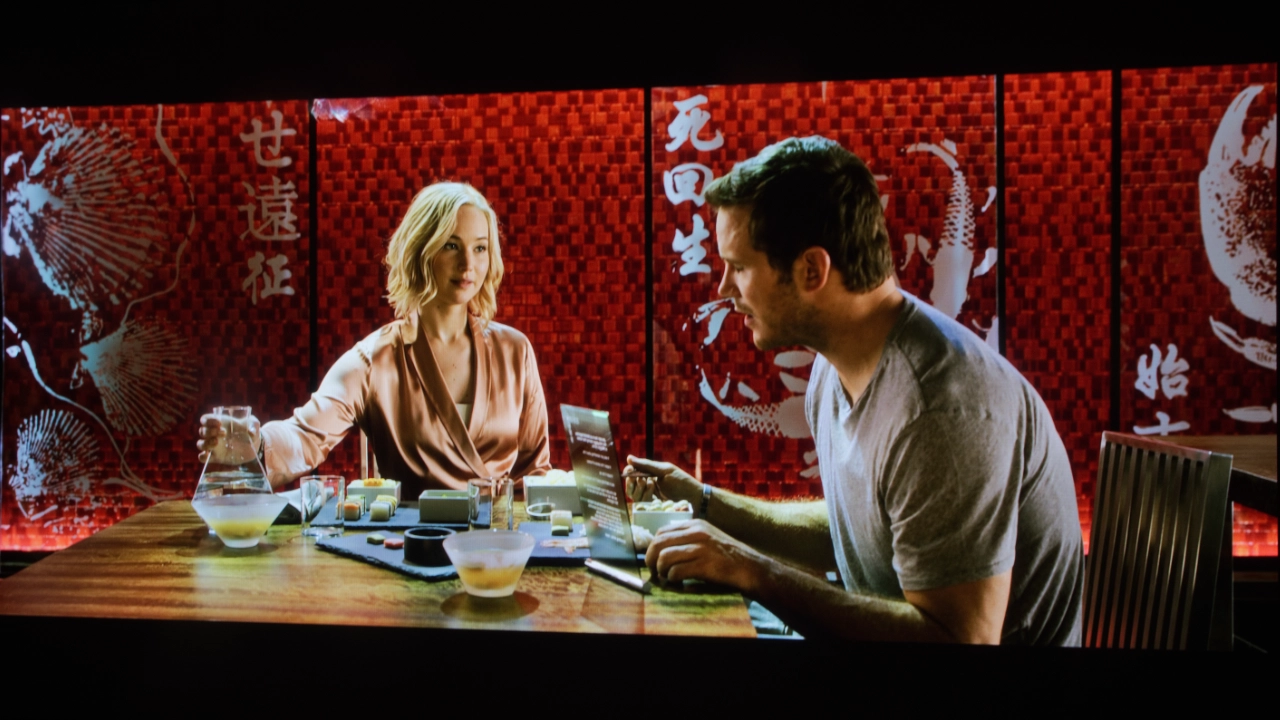
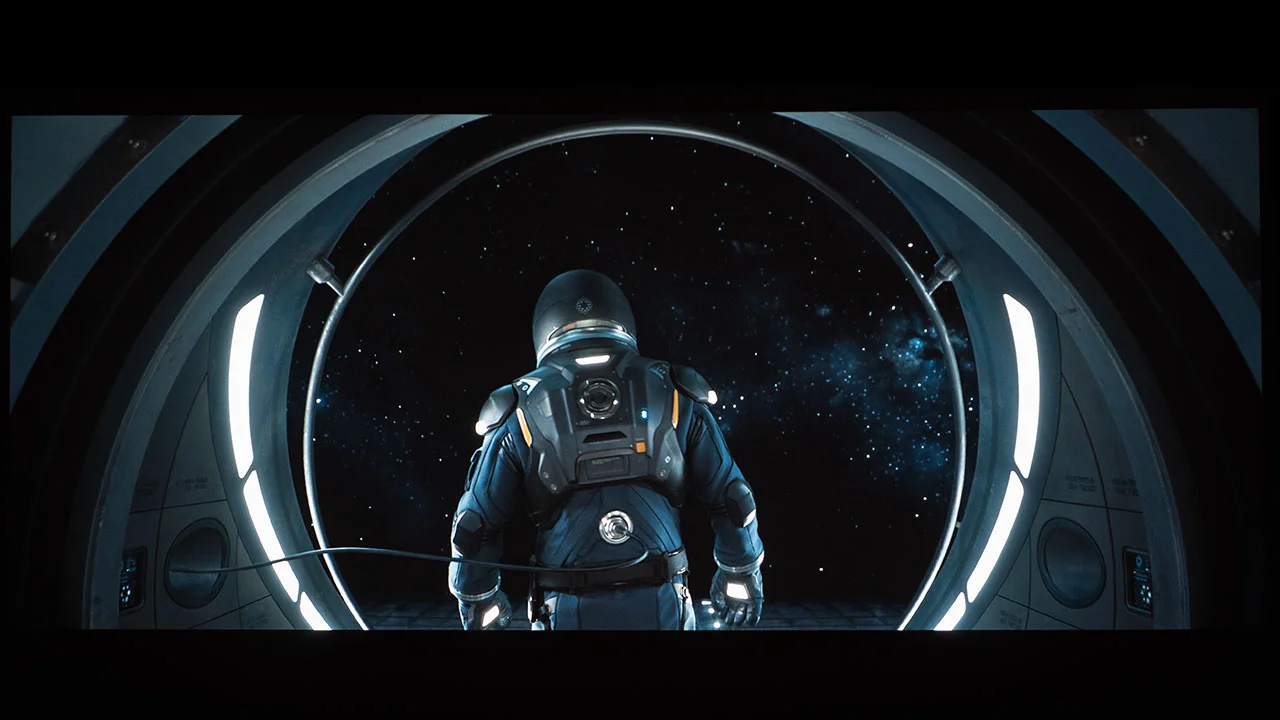
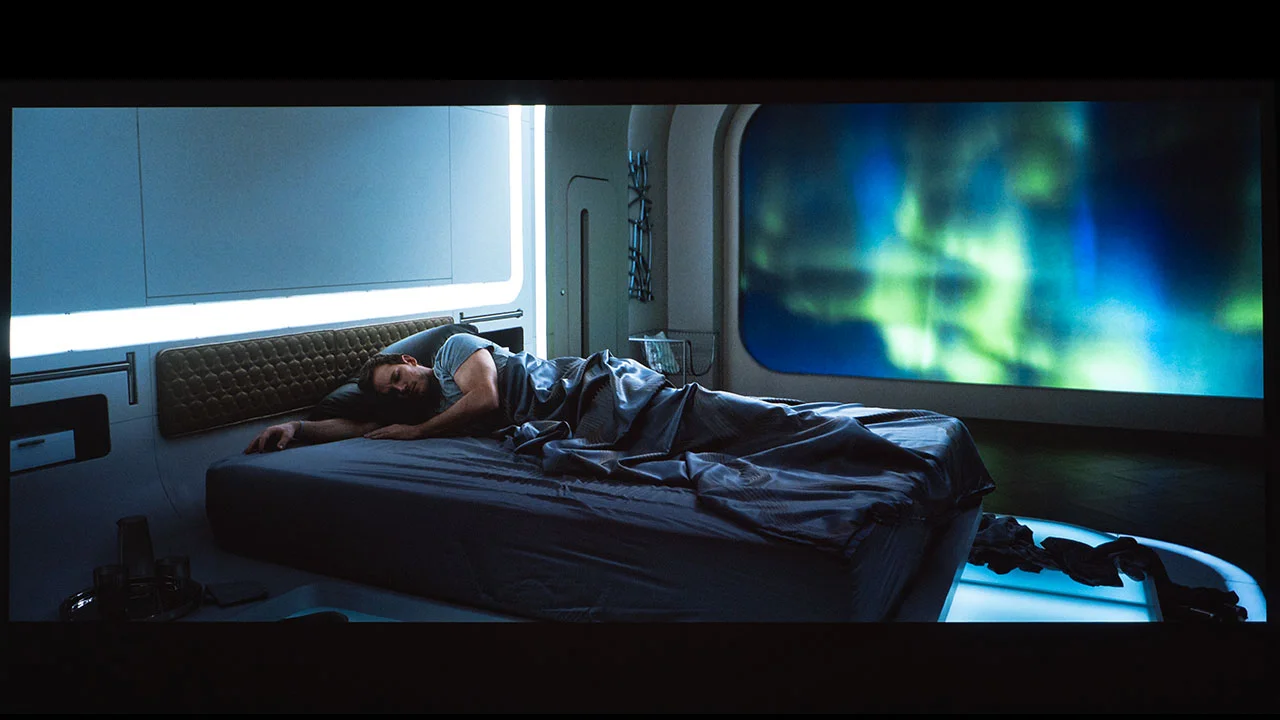
The FP-ZUH6000 has a manufacturer-rated dynamic contrast ratio of 12,000:1, achieved by modulating the light output of the projector's laser light engine. Black levels were more of a dark gray than pure black. Engaging the Dynamic Contrast setting improved visual contrast, but when viewing challenging content such as the first spacewalk scene in Passengers, the FP-ZU6000 still struggles to render details in dark areas.
While not on par with a consumer home Theater projector, the unit’s contrast performance is more than sufficient for most business/professional applications. In environments with ambient light, higher brightness is more critical than an absolute black level. The FP-ZH6000 should perform well in spaces with uncontrolled ambient light; in these situations, the projector's shadow detail is good enough to be recognizable as black.
I spent several hours watching Movies and broadcast content on the FP-ZUH6000. While color reproduction and black level cannot match those of a dedicated Home Theater projector, the FP-ZUH6000 was better than many business projectors I have reviewed. Since projectors like the ZUH6000 are often utilized for corporate events and in Houses of Worship, colors must be bright and accurate. This ensures the presenter’s skin tone and clothing appear on the screen as they do on stage.
Motion handling is solid thanks to the DLP chip's fast response, and the projector supports up to 1080P/240fps for specialized applications such as simulation, interactive exhibits, or high-frame-rate gaming.
The FP-ZUH6000 supports HDR10. When viewing HDR, Brightness and Contrast adjustments are needed to achieve good average brightness while maintaining highlight detail. I engaged the Dynamic Contrast feature and increased the Contrast Setting to 14 because the default setting of zero was too dim. However, be advised that increasing the CONTRAST too much will also blow out bright highlights, for example, the background in the Aquaman throne room is blown out when you go from 14 to about 21.
Text as small as an 8-point font is very easy to read from a distance. Since this is a 4K projector, viewers can sit close to a very large screen, and the image remains clear compared to the typical professional projector's WUXGA (1920 x 1200) displayed resolution. The FP-ZUH6000’s high brightness and good color reproduction ensure artwork, PowerPoint, and graphics are accurately displayed.

The Fujifilm FP-ZUH6000 is one of the most flexible projectors currently available for trade shows, immersive rooms, and experiential installations. Its combination of 4K pixel-shifted resolution, 6,000-lumen laser output, extremely short throw, and unprecedented lens shift makes it uniquely capable of delivering large images from locations where traditional projectors cannot operate.
Due to its lens assembly, FP-ZUH6000 offers greater installation flexibility than traditional standard- and ultra-short-throw projectors. Standard-throw designs typically require a throw ratio around 1.2 to 1.6, so a 100-inch screen might demand three to four meters of throw distance. They often provide good lens shift, but the projector must still sit roughly on axis with the screen plane, which can make it difficult to keep hardware out of sight in tight booths or irregular spaces.
Typical ultra-short-throw projectors move closer to the screen with throw ratios of 0.19-0.29, but they usually achieve this with fixed or minimally adjustable lenses attached directly to the chassis. Optical lens shift on UST models is generally very limited, often just a few percent, and any significant change in image position must be done by physically sliding or tilting the entire projector, which complicates permanent installations.
The FP-ZUH6000 has a 0.34–0.37 throw ratio, enabling near-UST placement, yet its ±82 percent vertical and ±35 percent horizontal lens shift rival those of many interchangeable lenses on long-throw projectors. Because the lens assembly can be rotated on two axes, integrators can mount the projector in positions that would be impractical for most UST units, such as hidden in a ceiling void with only the lens protruding, embedded in a stage platform for floor imagery, or mounted sideways in a wall column for off-axis projection.

The projector’s good color reproduction, Film Simulation modes, and support for external 3D LUTs reflect Fujifilm’s deep background in imaging and optics. At the same time, robust networking, warping, and edge-blending tools enable integration into multi-projector arrays.
For AV professionals tasked with building memorable environments in spaces that are anything but conventional, the FP-ZUH6000 offers a compelling blend of image quality, installation freedom, and long-term reliability. It is not a budget solution, nor is it aimed at home theater enthusiasts, but for museums, brand experiences, simulation labs, and premium trade show booths, Fujifilm’s rotatable lens 4K projector stands out as a highly capable and genuinely innovative option.

| Full Specifications | |
|---|---|
| Projector Model | FP-ZUH6000 |
| Price (MSRP) | $24,999 |
| Imager Type | DLP 0.65 inch |
| Displayed Resolution | 3840 x 2160 pixels |
| Native Resolution | 1920 x 1080 pixels |
| Brightness (Manufacturer Claim) | 6000 Lumens |
| Light Source Type | Blue Laser Phosphor |
| Contrast Ratio | 12,000:1 (Dynamic) |
| Lens Throw Ratio | 0.34-0.37 |
| Power Zoom/Focus | Yes (Zoom and Focus) |
| Lens Shift | Yes, Horizontal and Vertical |
| Interchangeable Lens | No |
| Ultra Short Throw | Yes |
| Native Aspect Ratio | 16:9 |
| 1080P/120 fps | Yes |
| 3D | No |
| Speakers | No |
| Noise Level (-db) | 36 dB/34 dB (Normal/ECO) |
| Low Lag Gaming | No |
| Smart Functionality | No |
| Business | Yes |
| Classroom | Yes |
| Portable | No |
| Special Features | HDR10, Rotatable Folding Lens |
| Networking | RJ45 Lan |
| Dimensions (WxDxH) | 19.1” x 19.5” x 7.9” (486mm × 496mm × 175mm) |
| Weight | 38.6 lbs. (16.5 kg) |
| Warranty | 3-year Limited |