Sony VPL-VW70 Projector Review

A detailed review of the Sony VPL-VW70 1080p home theater projector

May 2009 - Art Feierman


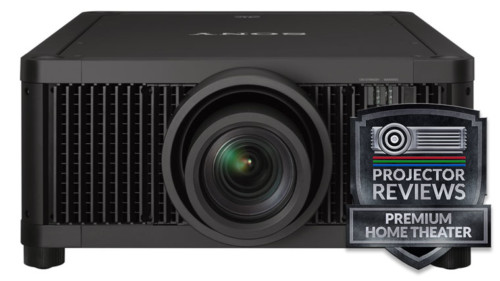
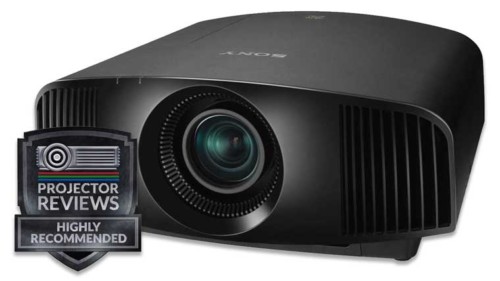
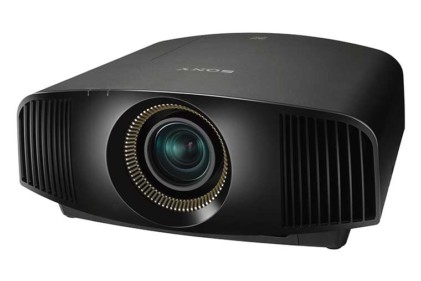
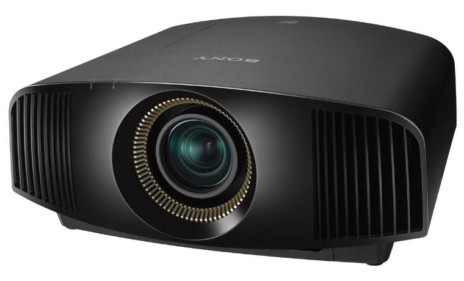
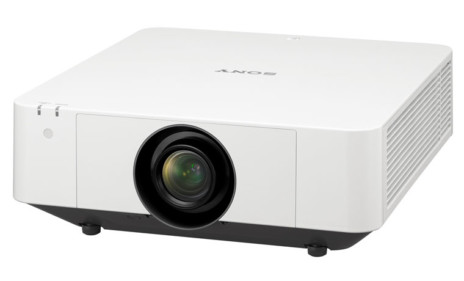
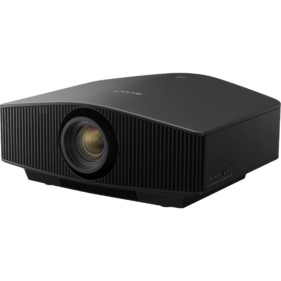
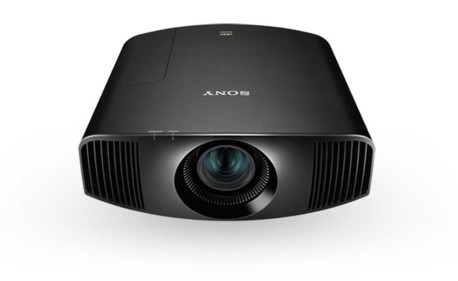
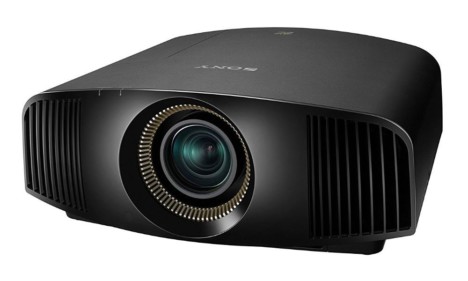
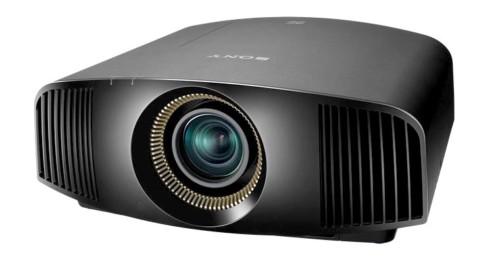
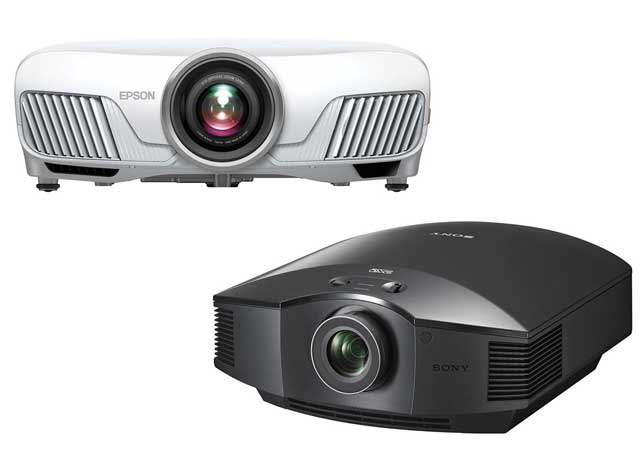
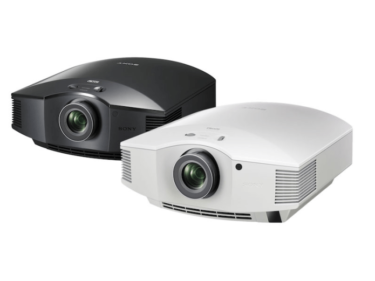
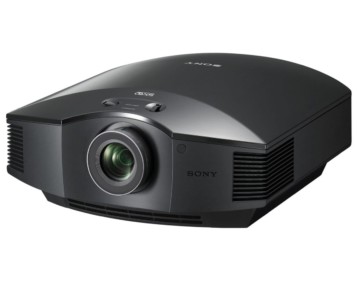
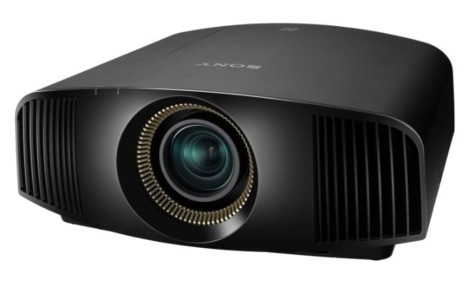
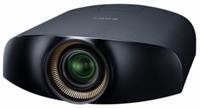
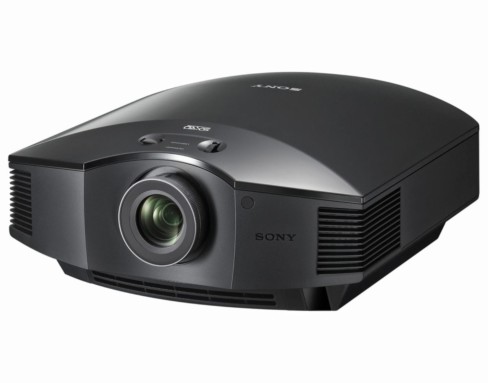
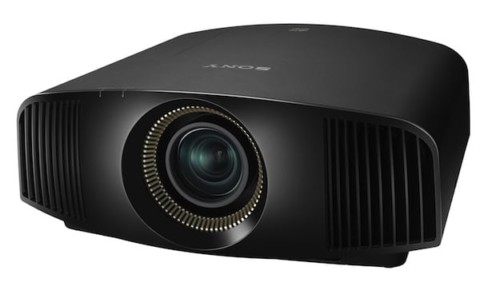
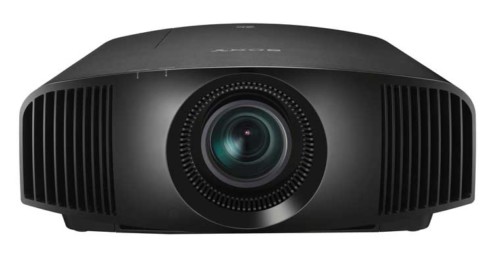
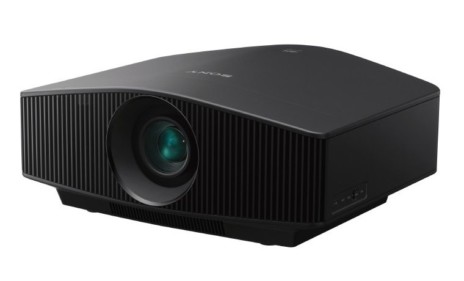
The Sony VPL-VW70 projector.

The Panasonic PT-AE3000U projector wins the Hot Product Award!

Sony VPL-VW70 Projector Overview

Impressive! No, extremely impressive! Once again, Sony has introduced a serious contender in the $5,000 to $10,000 price range, with its VPL-VW70 which has a suggested retail of $7999, but can be found online for significantly less.

The VPL-VW70 should enjoy significant attention and support from the enthusiast home theater projector community. Certainly it is one of only a small handful of top contenders in the under $10,000 range.

It didn't take long (a couple hours of viewing, post calibration), to decide that the VW70 definitely earns our Hot Product award. I found no real weaknesses in its overall performance. As one expects from Sony, picture quality is its key strength.

I had hoped to have received a VW70, and to complete the review of the Sony VPL-VW70 projector, in time for our 1080p Projector Comparison Report. That would have allowed the VW70 to compete for our Best In Class awards. Alas, Sony couldn't provide one in time.

Before I go further, I can say it would have been a really serious contender. It certainly gives the JVC DLA-RS10 - and its identical JVC HD350 sibling, a run for the money. The JVC RS10 received our Best In Class - Runner-up Award, and had things turned out differently, in terms of the timing of this review, then the Sony may well have beat out those (lower priced) JVC projectors for the Runner-up award. It certainly would have been a close call, with each having advantages over the other.
What's so good about the VPL-VW70? To start with, excellent color is a key strength of this Sony projector. Skin tones are excellent, about as good as anything I've seen, after calibration, except for the InFocus IN83. Keep in mind we normally do not calibrate individual primary and secondary colors, so figure with a full calibration that does, the skin tones and overall color accuracy will get even better. Certainly the Sony VW70, when it comes to color accuracy, should be in the same league as the JVC DLA-RS20 (which also has a full color management system), and I would have to say, skin tones on the VW70 are slightly better than the RS10 and HD350 (which lack a full color management system).

Black levels are also impressive, though not the absolute best, when using the dynamic iris, which they call Advanced Iris. Nonetheless, black level performance is excellent, with only a couple of projectors able to best it.

Its operation is fairly quiet. There are much quieter projectors out there, but it is still a lot quieter than many others.

It's a good looking, projector - basically a shiny black top to its case, with tiny blue speckles just barely noticeable. For that reason, I have seen some call it the "Purple Pearl". (The Pearl designation has been used for the multiple generations of this projector, over the last 3-4 years.) Despite the blue specs, it looks black (not purple or blue) except under close inspection and bright lights.
The Sony VPL-VW70's dynamic iris has two settings to enhance black level performance. That will be discussed in more depth, later in the Image Quality section of this review.

As is typical of Sony LCoS - or as they call them, SXRD projectors, the VPL-VW70 is not particularly bright. Of the seven other projectors in the Sony's class that we measured, only one, the Sharp projector, proved to be less bright. Actually, the Sony can be in the middle of the pack in brightness, if you turn off the dynamic iris. However, the iris is the Sony's way of getting excellent black levels, and, without the iris engaged, black level performance definitely suffers.

A new remote control for the VW70 is excellent, one of my all time favorites for a home theater projector.

This Sony VW70 is a great projector. That said, it is best suited for small and average sized screens. It really doesn't have the muscle for larger screens.

Like just a few other projectors, the VPL-VW70 home theater projector is a true pleasure to watch, or rather to watch content with. It will find a very good following among enthusiats in general, and perhaps do even better with purists.

Let's keep this moving, starting with a list of highlights, some of which I've just mentioned.


^ Back to Top

VPL-VW70 Projector Highlights

  • Overall excellent picture quality
  • Especially good color accuracy
  • Extremely good black levels, (when engaging the dynamic iris) but not the best
  • One of the least bright projectors in its price range, in both "best" and "brightest" modes
  • Dark scenes show some compression of dynamic range, meaning a bit less "pop and wow"
  • Good placement flexibility
  • Audible noise is a bit less than average, compared to the competition
  • Although one of the more expensive projectors, it offers a very good value proposition

Woman image from the Sony VW70 projector.

^ Back to Top

Specs for Sony VPL-VW70

MSRP: $7999
Technology: 3 LCoS panels (SXRD)
Native Resolution: 1080p (1920x1080)
Brightness: 800 lumens (per Sony)
Measured brightness: 366 lumens, with lamp of full, "best" mode, post calibration, lens at mid-point of zoom range, and 633 lumens in "brightest" mode
Contrast: 60,000:1
Zoom Lens ratio: 1.6:1 motorized zoom lens
Lens shift: Vertical and Horizontal - motorized
Lamp life: Sony does not publish lamp life. We assume 2000 hours at full power
Weight: 26 lbs. (11.6 Kg)
Warranty: 2 Years Parts and Labor

Indiana Jones image from the Sony VPL-VW70 projector.

^ Back to Top

Sony VPL-VW70 Special Features


SXRD (LCoS) Panels

With few exceptions of home theater projectors use either DLP or 3LCD technology. Sony uses Liquid Crystal on Silicon, a reflective panel, as opposed to the translucent typical LCD panels. Sony calls their LCoS implementation SXRD, which we all have heard of, from other Sony products and advertising. In the under $10,000 price range, JVC and Sony are the primary manufacturers of LCoS home theater projectors. The advantages of LCoS, these days, are two fold: First, LCoS panels have, for all practical purposes, invisible pixel structures, way below visibility at normal seating distances with a 1080p projector. Only the 3LCD Panasonic PT-AE3000, with its addition of their SmoothScreen technology, has less visible pixels, and it comes with a price, a slightly softer image.

Pixel visibility, and screen door effect are effectively, non-issues with this Sony, thanks to the LCoS panels.

The second advantage, it seems is in terms of black level performance. While some 3LCD and DLP projectors can match some of the LCoS projectors, at this point in time, the Sony and JVC LCoS projectors outperform almost all of the non- LCoS competition, in black level performance.

Iris Modes

Sony offers two modes for its dynamic iris. I favor Auto 1 over Auto 2. Auto 2 will apparently allow the iris to close down further, for slightly blacker blacks, but takes a further toll in terms of compressing the dynamic range of scenes that are mostly dark but have some bright areas. If you choose Off, instead of Auto 1 or Auto 2, you can then manually adjust the iris to dim the image with a slight improvement in contrast, but you no longer have it dynamically adjusting to different scenes.
Satellite image from the Sony VPL-VW70 projector.


Panel Adjustment

The Sony allows separate adjustment of R, G, and B panels, for better alignment. This can be a real plus if one of the color panels is a little off, compared to the others. Sony mentions in the manual, that you can also use this to intentionally have a little error, to fill in the gaps around each pixel. I'm not a fan of intentionally slightly mis-aligning the panels to accomplish this. LCoS pixel structure is essentially completely invisible at normal seating distances, so why bother?
^ Back to Top

NEXT: Take a physical tour of the Sony VPL-VW70