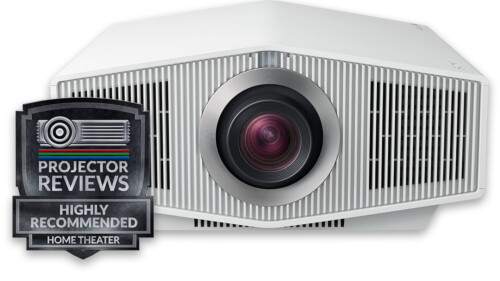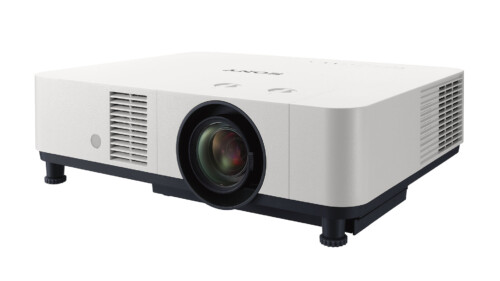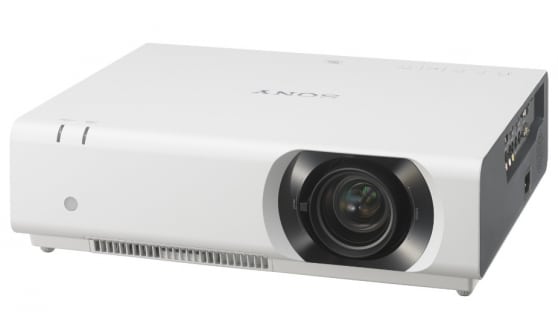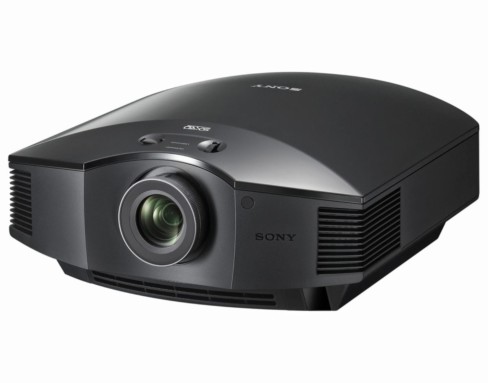
Sony VPL-VWPRO1 Projector Review
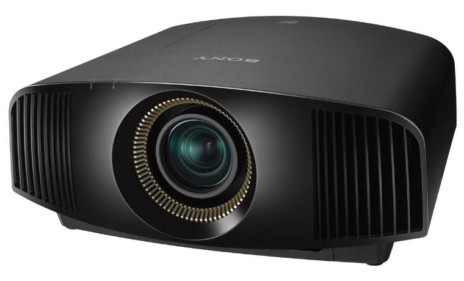
This projector review of Sony's new VPL-WVPRO1 - which may also be known as the VPL-VWH20a - as that is also printed on the box.
December 2010 - Art Feierman
|
|
![]() |
Sony VPL-VWPRO1 Projector Overview
The VPL-PRO1 replaces the HW15. Unlike last year however, this year, we get a couple of really significant changes. This year's Sony VWPRO1, is simply a much better projector, and a much better value than the HW15 represented a year ago!
Not surprisingly, the Sony VPL-PRO1 home theater projector looks, and cooks, very much the same as the HW15. That said, the biggest difference is truly going to be important to almost everyone considering the PRO1. When many projectors are replaced, the closeout of the older model is often a better deal than the replacement, until the old ones are gone. This happens when the changes are relatively minor. Going, from say the Epson 8100 to the 8350, is one of those minor upgrades.
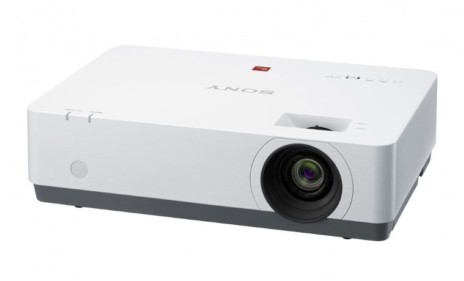
Not this time, for Sony though, the PRO1 starts off with one massive specification change. The VPL-VWPRO1 is rated 1300 lumens, up from 1000 with the older Sony projector.
I am astounded. I've been beating up Sony for years for building otherwise rather excellent projectors that I have considered underpowered for those preferring larger screens, and a little too thin in power even on medium sized screens (100 - 110 inch diagonal) when viewing sports or TV with some ambient light.
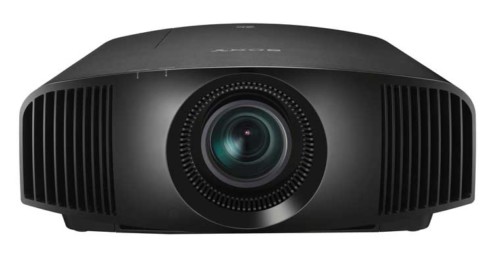
While last year's HW15 was a bit brighter than the even older HW10, here we are talking a really big jump in brightness, catapulting Sony, from a bit below average in overall brightness, to definitely brighter than average, expecially in "best mode". More on this later.
The Sony VPL-VWPRO1 is a $3395 MSRP projector, but there is a freebie. The Sony is a 3 chip LCOS design. Note that Sony calls their LCoS chips SXRD, a term they use in other technology as well, one that has become fairly widely recognized.
Sony is now including a (freebie) - a spare lamp for that price, right in the box (no mail in rebate, etc.) for simplicity. It makes for a huge box though, as the PRO1 resides in the same basic cabinet as all the other VW and HW projectors. That is to say, the projector is larger than average, and therefore you get a really, really large box.
The other immediately obvious change to the spec'd performance is the contrast, which jumps to 85,000:1 from 60,000:1. Mostly that looks to be the work of a new iris. I'll discuss the difference in black level performance later in the review.
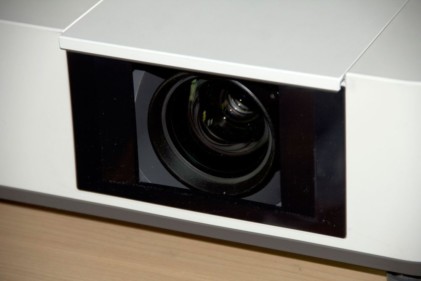
The Sony has both horizontal and vertical lens shift. The vertical lens shift is adequate, but not as much as some others. Both lens shift controls, as well as zoom and focus, are manual.
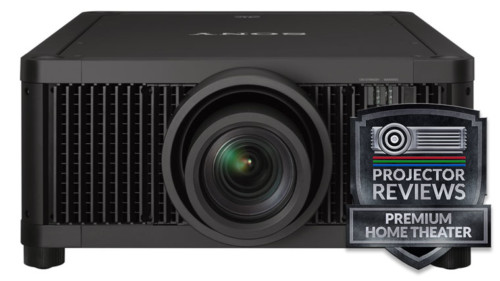
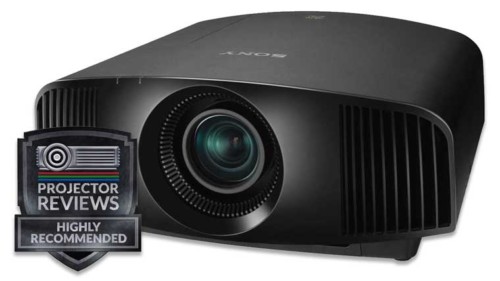
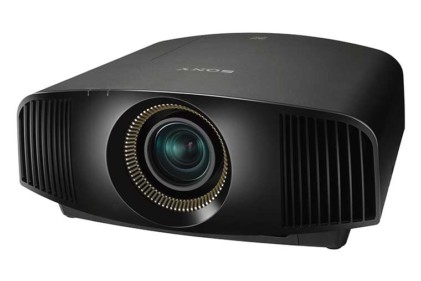
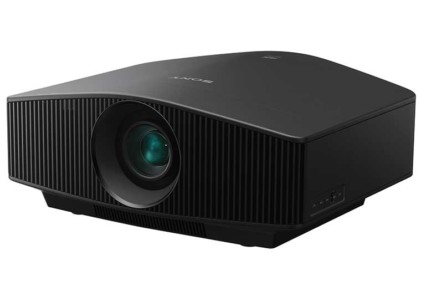
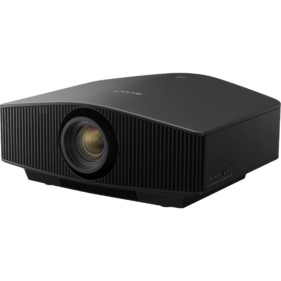
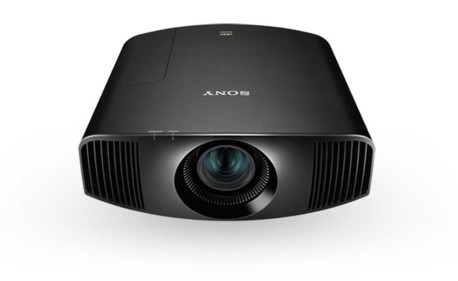
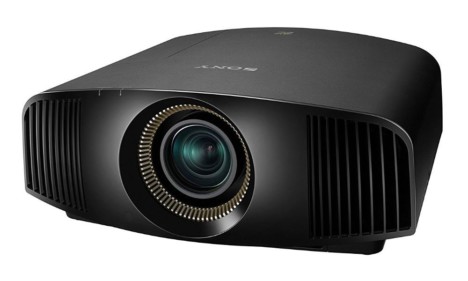
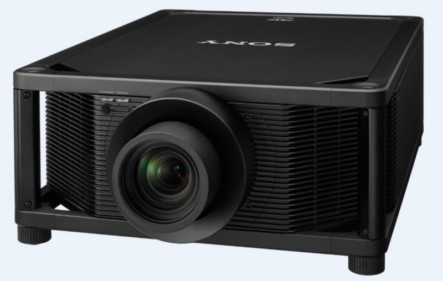
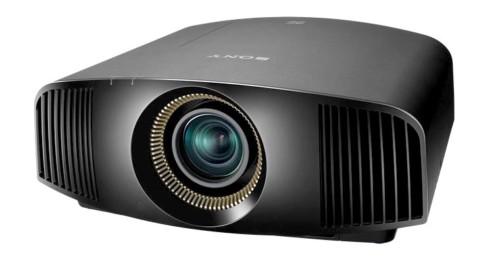
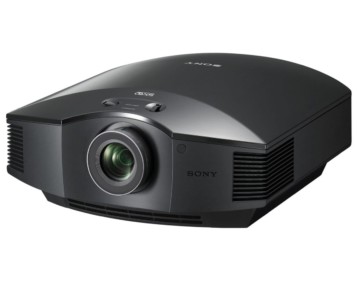
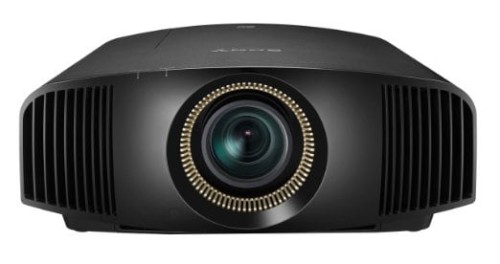
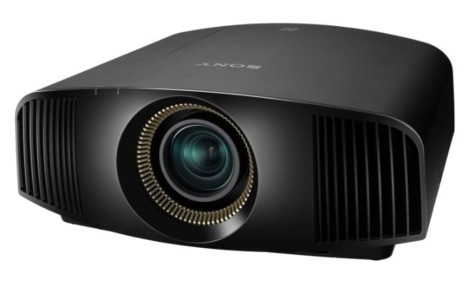
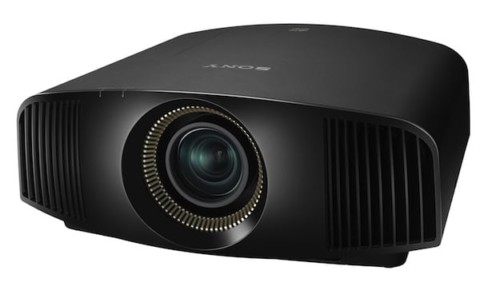
The Sony VPL-PRO1 looks like its predecessors. Physcially, everything's in the same place and the case is black (you have to spend for the 90ES to get that those dark pearlescent colors in the case). Styling wise, it is nicely sculpted. It's dark shiny case blends in with rooms and theaters with dark ceilings.
The Sony VPL-PRO1 has a dynamic iris to achieve its best black levels. We worked primarily with the Iris 1 setting as it delivered blacker blacks, yet was reasonably smooth.
I just don't know if Mike is becoming a better and better calibrator, or we've just had a short run of projectors that seem to calibrate more perfectly than most. The Sony PRO1's color is outstanding after calibration, and we don't even calibrate the individual colors. That means Sony did a better than most job to begin with, but things like out of the box color discussions are saved for the image quality page.
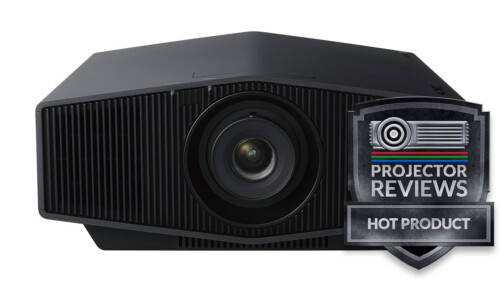
Figure that the VPL-VWPRO1, or, if you prefer, the HW20a, after you net out the value of the spare lamp, is the same price as last year's $2995 HW15. Considering minor improvements in several areas, and a really big boost in brightness, the PRO1 is an even better projector solution than its predecessor. With all those extra lumens, I didn't even have to think hard at all, in determining that congratulations are in order, as is one of our HOT PRODUCT AWARDs.
Look for the VWPRO1 to be a really serious contender in our next home theater projector report - our big, annual, late winter 1080p Home Theater Comparison Report.
This Sony projector will be taking on competition such as, the Epson 8700ub / 9700ub, the new JVC HD250, the new R series Epson 21000, and the usual assortment of BenQ, Optoma, and other brands that are selling between $2000 and $3500. With its extra brightness, at this early point in the review season, the Sony looks like a very serious contender for one of our Best In Class awards, something that has just eluded this Sony projector's predecessors.
Let's get started!
Sony VPL-VWPRO1 Projector Highlights
- Definitely brighter than average in "best" mode
- Slightly brighter than average at its brightest
- Excellent post calibration color
- "Out of the box" color needs improvement - however, changing a single setting makes it very good. (More on that later, of course)
- Improved black level performance, very good for the money, but still not the best, but comparable or slightly better than most of the similarly priced competition, if still trailing a few projectors that are legendary for their great blacks.
- Zoom lens is relatively short thow, may not work shelf mounted in deep rooms, or in typical rooms with small to medium sized screens
- Adjustable vertical and horizontal lens shift, not as much range as some, but not bad
- Dynamic iris is pretty smooth, even in the more "active" of two modes. Rarely dectectable during normal viewing - very good!
- Barring some yet to be reviewed projector that might upset the pecking order, very good price/performance, but many competitors still to review
- Lacks support for an anamorphic lens (that is reserved for their more expensive VW projector)
Specs for Sony VPL-VWPRO1
MSRP: $3395 (includes spare lamp)
Technology: LCoS (SXRD)
Native Resolution: 1080p (1920x1080)
Brightness: 1300 lumens claimed, 1162 lumens highest we measured
Contrast: 85,000:1
Zoom Lens ratio: 1.6:1
Lens shift: Vertical and horizontal
Lamp life: Sony does not provide info, we assume 2000 hours at full power
Weight: 22.1 lbs. (10 Kg)
Warranty: 2 Years Parts and Labor
View full specifications: Sony VPL-VWPRO1
Sony VPL-VWPRO1 Special Features
Sony VPL-PRO1 Gamma Modes
Sony offers seven preset gamma modes (one of them is "off"). Per Mike's measurements, the gamma mode closest to the target of 2.2 is gamma 4, which averaged 2.22 gamma. Nice. To me, 4 was great for movies but too dark in the mid-tones for sports and some other types of content.
Sony SXRD panels - (LCoS)
(This paragraph taken right from the older HW10 and HW15 reviews.) The vast majority of home theater projectors use either DLP or 3LCD technology. Sony uses Liquid Crystal on Silicon, a reflective panel, as opposed to the translucent typical LCD panels. Sony calls their LCoS implementation SXRD. In the under $10,000 price range, JVC and Sony are the primary manufacturers of LCoS home theater projectors. The advantages of LCoS, these days, are two fold: First, LCoS panels have, for all practical purposes, invisible pixel structures, way below visibility at normal seating distances with a 1080p projector. Only the 3LCD Panasonic PT-AE4000, with its addition of their SmoothScreen technology, has less visible pixels, and it comes with a price, a slightly softer image.
Pixel visibility, and screen door effect are, effectively non-issues, with this Sony, thanks to the LCoS panels.
The second advantage, it seems is in terms of black level performance. While some 3LCD and DLP projectors can match some of the LCoS projectors, at this point in time, the Sony but more so, the JVC LCoS projectors outperform almost most of the non LCoS competition, in black level performance.
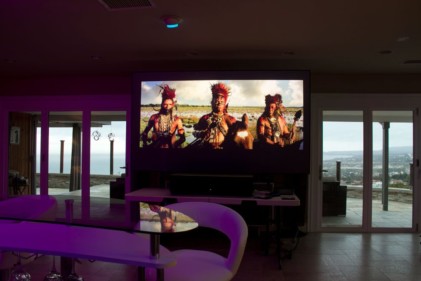
Image below - from Space Cowboys
Individual SXRD panel adjustment
A very nice, touch, this Sony allows individual adjustment of each panel for more precise alignment. This feature carried forward from the HW10 and their older more expensive models too. This isn't an end all, there are still limits to the coarseness of the adjustments. If a panel is off 1/3 a pixel, that's too small to compensate for. Still, having 9 sections, does give you more precise results than say JVC's single image, single pixel shift design. This is a worthwhile feature for those who go to the trouble to more precisely align the Sony, than they could do with other projectors.