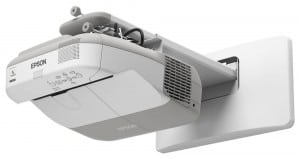
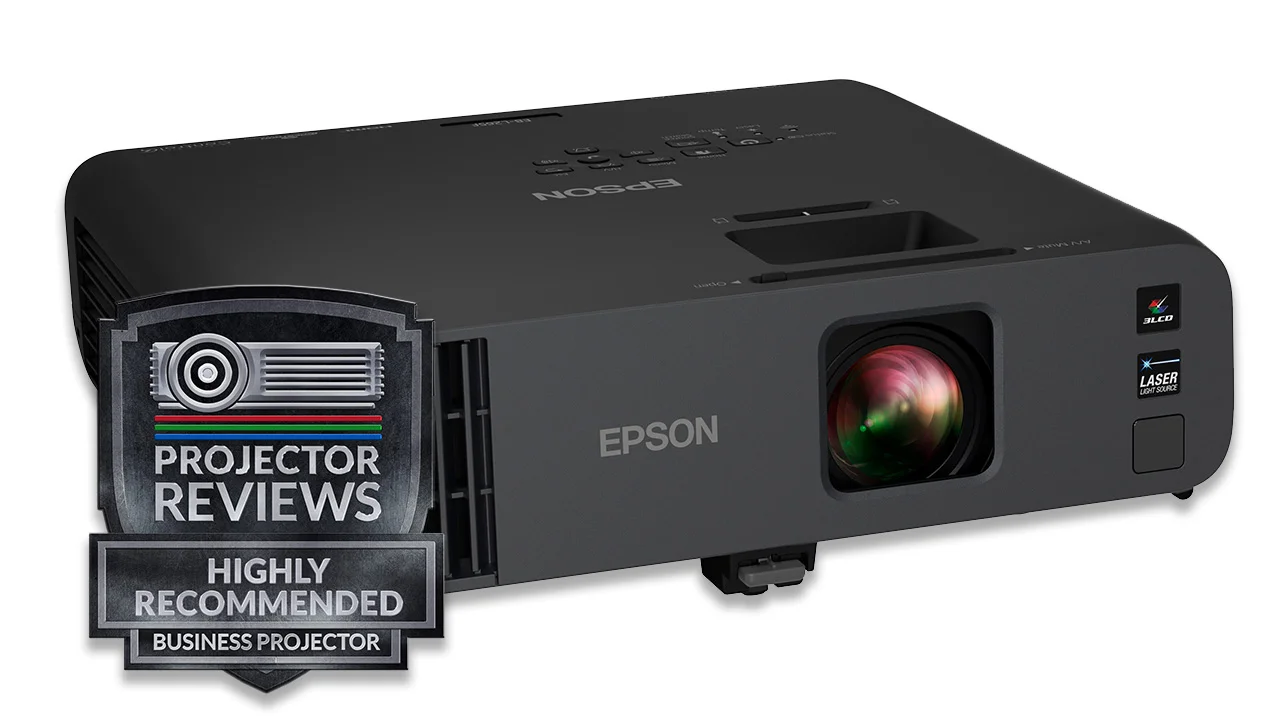
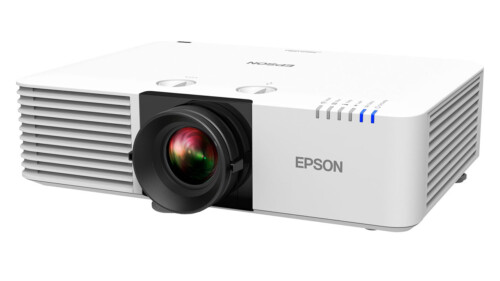
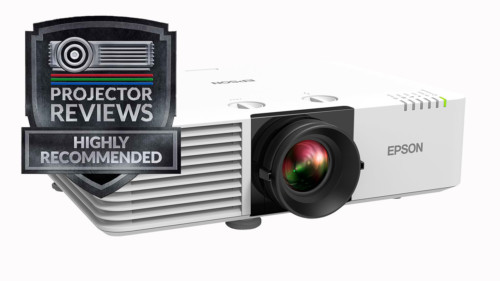
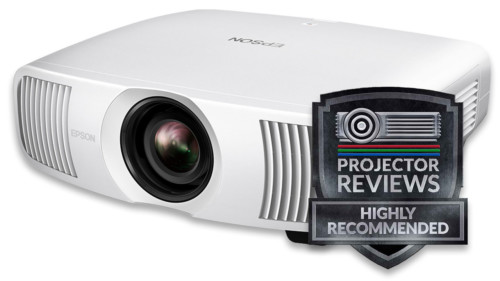
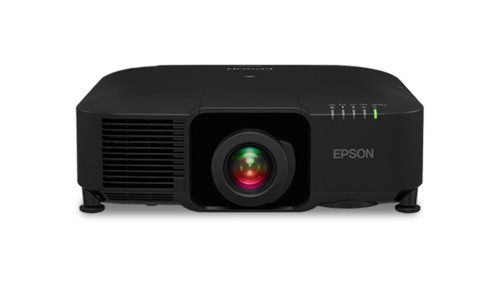
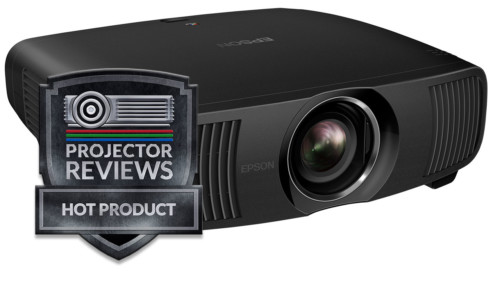
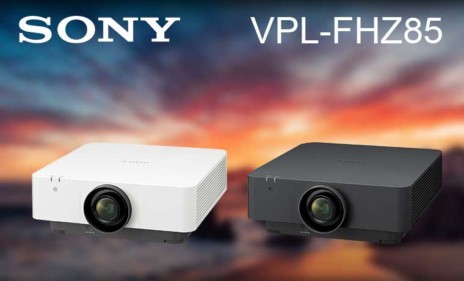
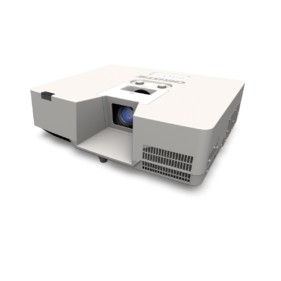
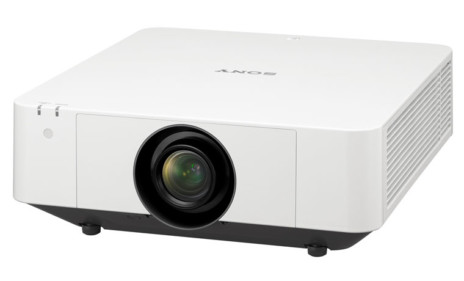
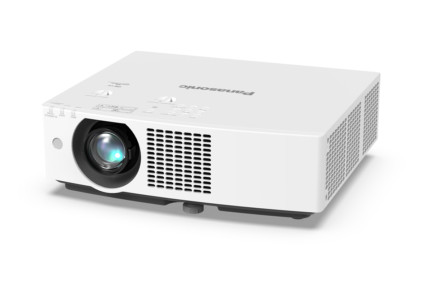
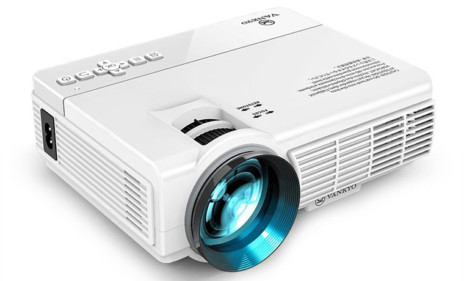
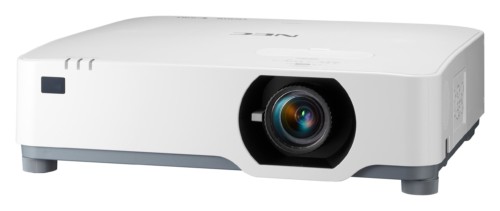
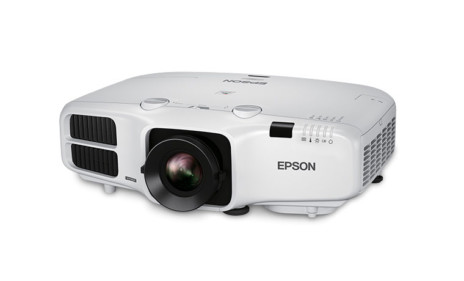
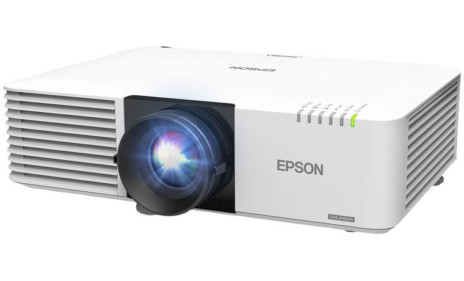
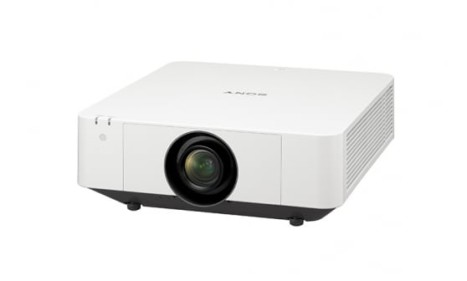
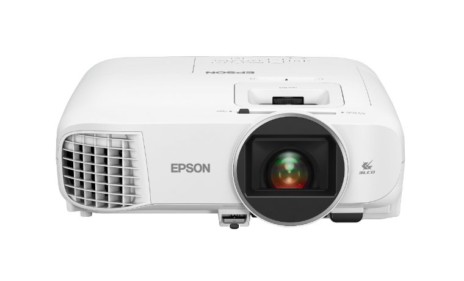
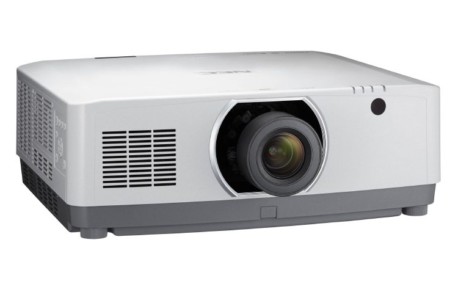
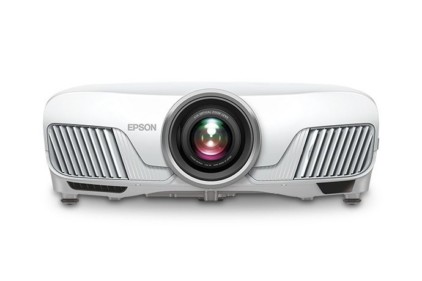
The LCD projectors category includes the latest projectors used for home theater systems, businesses, and schools. Below find a list of recent LCD projector reviews and information pages.
Scroll down for a listing of all LCD Projector reviews.
LCD (“Liquid Crystal Display”) projectors have traditionally displayed rich color saturation and image sharpness on the market. The term LCD projector encompasses all models using LCD technology, whereas “3LCD” is a trade brand and does not include some projectors. For example, there are actually a few projectors out there with four LCD panels.
Since we first published this page a couple of years ago, there is an additional industry standard for measuring brightness, which we refer to simply as measuring Color Lumens. Historically projectors have been measured by only measuring white. Different general projector technology/designs with similar white brightness measurements may have drastically different color brightness. We recently completed a video on the topic of Color Lumens and Brightness, where we measure both white and color from LCD and DLP projectors. It’s rather impressive. With simpilar white measurements, the LCD projector produced well over twice the color lumens.
Translated to practical meaning; at full brightness, LCD projectors deliver bright individual colors. DLP’s with their color filter wheels and white segments, however, tend to have bright whites but colors, especially reds and yellows tend to be a bit dim by comparison, with the reds more wine colored and muddy yellows. Oh that other technology is fine when brightness is dropped way down in a video or cinema mode, but often that’s after losing something near half the brightness, sometimes more.
I would suggest that this is a good reason why LCD projectors tend to make the best “family room” projectors, by offering maximum brightness with vivid colors. LCD projectors are certainly just as at home in a dedicated home theater.
Here are some highlights of LCD projector geared for schools, business and government. They are known for a crisp, sharp look when displaying data. And, while LCD portable projectors are typically larger in size than their DLP portable counterparts, they pack more punch than the competition. LCD is also the most popular technology available. Projector manufacturers using LCD technology claim about fifty percent of the world market, with Epson manufacturing the LCD panels for almost all brands. LCD projectors also offer great placement flexibility. Few DLP are designed to be mounted on a rear wall, but almost any LCD home theater projector can be mounted on the rear wall or on the ceiling.
LCD technology, as well as the 3LCD chip architecture, is found in home theater projectors, office projectors, and portable projectors.
Popular home theater projector brands include: Sony, Panasonic, Epson There’s another brief and old article comparing LCD and DLP, but I would recommend the video.