LCoS Projectors

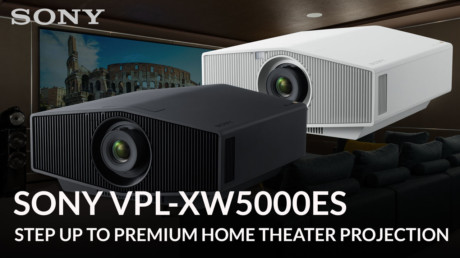
The LCoS projectors category includes the latest projectors used for home theater systems, and companies. See below for a list of LCoS projector reviews and information pages.

Have a movie night with your family in crystal clear detail, and give a professional presentation the next day! All this can be achieved with an LCoS projector, which offers the best features of DLP and LCD technology.

LCoS ("Liquid Crystal on Silicon") projectors are best known for great color, superb black levels, and accurate performance. It's not that other technologies can't produce these results, it's just that LCoS does them best.
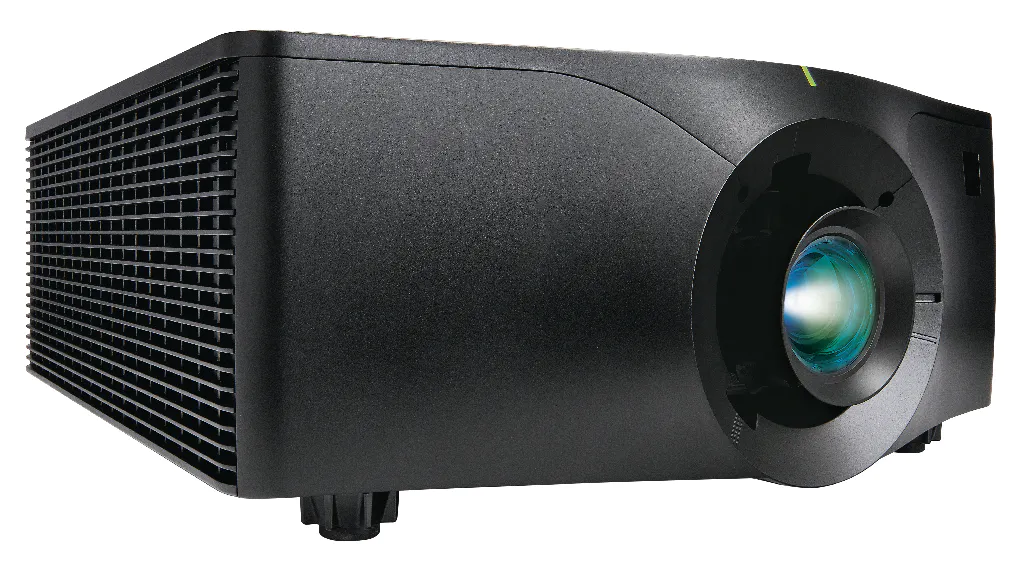
LCoS projectors are more expensive than the competing technologies, typically costing between $4,000-$15,000. In contrast, entry-level DLP projectors are available for under $1,000 and LCD for just above $1,000. But you're certainly getting more bang for your buck with LCoS!
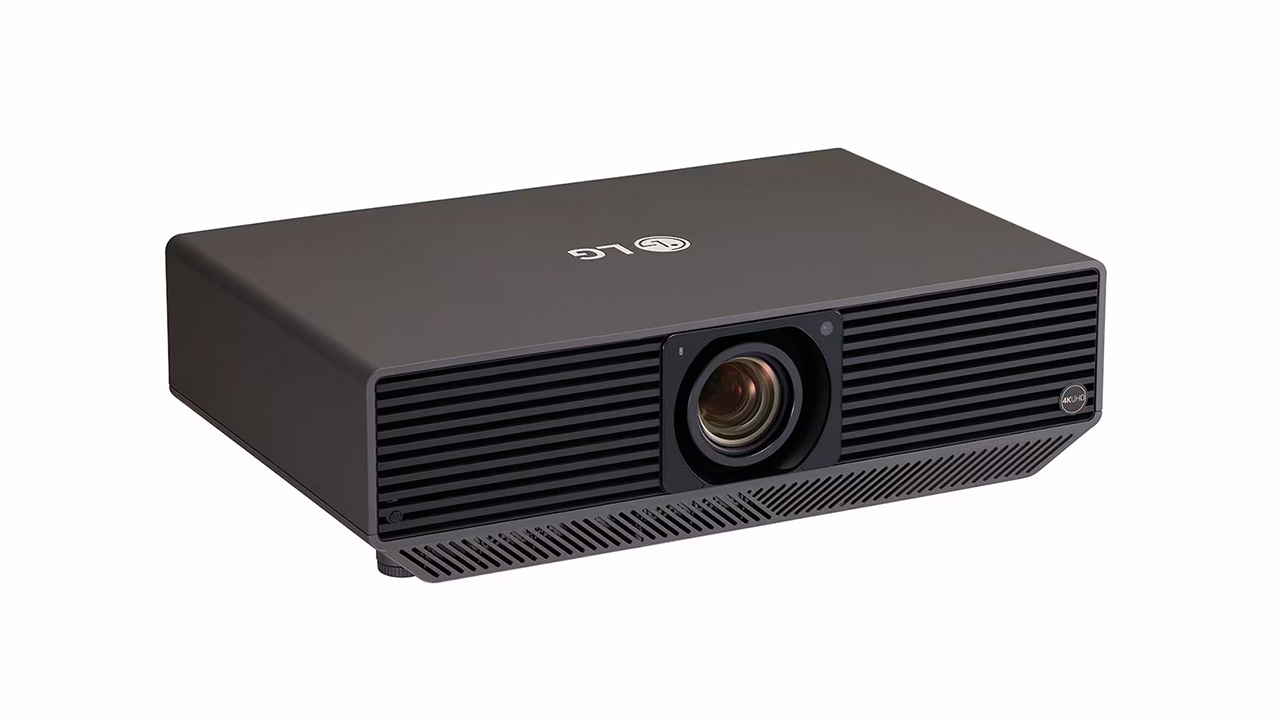
Here is a good resource for understanding the difference between projector technologies: 3LCD vs LCoS vs DLP projectors

LCoS Projectors Reviews

About LCoS Projectors

LCoS ("Liquid Crystal on Silicon") projectors are a more recent variation of LCD technology, as LCoS also uses three panels of red, blue and green. However, LCoS uses reflexive technology as opposed to transmissive, which allows the pixel structure of LCoS projectors to be much less visible than the competition (virutally invisible at normal seating distance). This provides betavoids the nuisance of "screen door" and "rainbow" effects.

While LCD technology is manufacturered almost entirely by Epson, LCoS is different in that each projector manufacturer designs its own LCoS chips. Because of this, there is significant difference in performance between brands, and each company has its own advantage.

JVC, Sony and Canon dominate the LCoS industry... Let's take a look at examples of each major brand's specialities.

JVC projectors are often commeded for producing the best native black level performance. Canon business projectors have developed a superb reputation amongst all types who require high quality picture with excellent color, such as videographers and photographers. Sony, the last of the three major brands using LCoS technology, produces well designed projectors with extended feature sets.

Because of their varied strengths, JVC and Sony projectors are the most talked about LCoS projectors in the the home theater space, but Canon dominates the business sector.

Below is a data image from the Canon REALis WUX10 projector. Canon is a huge favorite amongst photographers, camera clubs, museums and more. Note the superb red, green, and blue colors. Canon's highest-end business projectors are all LCoS and support WUXGA or higher resolution.

Data image from the Canon WUX10 projector.

LCoS vs. the competition

Let us put in perspective the difference between LCoS technology and the competition.

Current LCoS JVC models have taken our highest home theater award "Best In Class" for the $3,500-10,000 price range in our Annual Home Projector Comparison Report three years in a row.

See for yourself the difference in black levels:

Below is a comparison between the DLP InFocus SP8602 projector and the LCoS JVC DLA-RS15 projector, with the InFocus on the left and the JVC on the right. The SP8602 has good blacks but does not rival the JVC's, for its strengths lie elsewhere.

In the business segment, LCoS projectors are about the same size as LCD models because they are both "3-chip" technologies. Both technologies are offered in small portable as well as larger projectors.

Like LCD, even the smallest LCoS projectors are still a size larger than the smallest DLP projectors. Recently, though, the first pico projectors using LCoS technology are entering the market (as of the end of 2010).

In the business segment, LCoS projectors are about the same size as LCD models because they are both "3-chip" technologies. Both technologies are offered in small portable as well as larger projectors.

Like LCD, even the smallest LCoS projectors are still a size larger than the smallest DLP projectors. Recently, though, the first pico projectors using LCoS technology are entering the market (as of the end of 2010).